Ragnarök: The Twilight of the Gods and the Epilogue of Existence

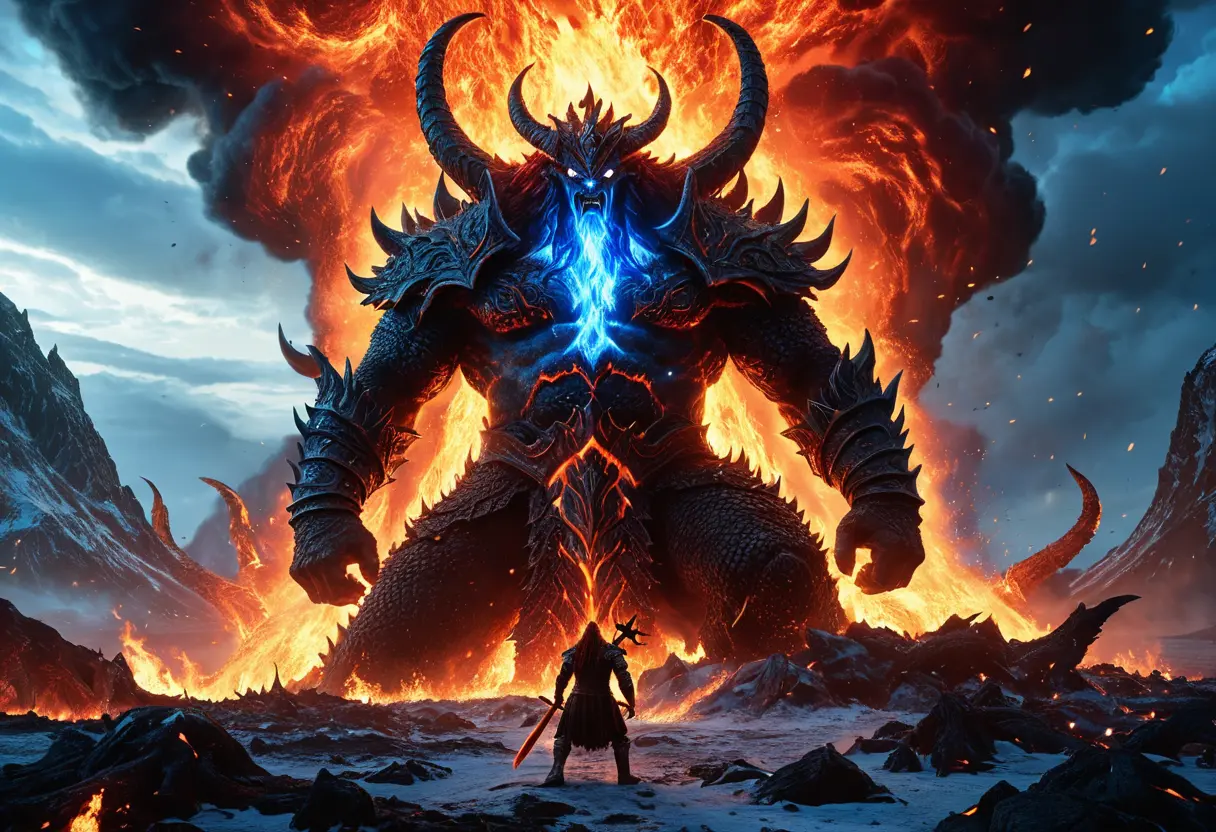
The Prelude: The Decay of Order
Ragnarök is not a sudden explosion; it is the culmination of a long moral and physical entropy.
Fimbulwinter : A terrifying winter that lasts for three consecutive years without a single summer. Frost and famine grip the world, and hope begins to freeze.
The Collapse of Kinship : As survival becomes impossible, human morality disintegrates. Brothers kill brothers, and children turn against their parents. The social fabric of Midgard is torn apart before the physical world follows.
The Breaking of the Chains : The great wolf Fenrir, the cunning Loki, and the World Serpent all break free from the constraints the gods placed upon them. The “Chaos” of the universe is finally unleashed.
The Final Duel: The Mutual Destruction of the Gods
On the plain of Vígríðr, the forces of Order (the Aesir and the Einherjar) meet the forces of Chaos (the giants and the legions of Hel). The most striking feature of this battle is its symmetry of death—almost every major deity dies in a mutual kill with their nemesis: *Odin vs. Fenrir : The All-Father is swallowed whole by the great wolf. Moments later, his son Víðarr tears the wolf’s jaws apart in a revenge that comes too late. *Thor vs. Jörmungandr : Thor finally crushes the head of the World Serpent with Mjölnir. However, the serpent’s venom is so potent that Thor takes only nine steps before collapsing and dying. *Heimdall vs. Loki : The watcher of the gods and the architect of chaos mortally wound each other, ensuring that neither survives the era they helped define.
Finally, the fire giant Surtr swings his flaming sword, setting the World Tree Yggdrasil ablaze, and the earth sinks into the boiling sea.
The Morning After: The Unpredictable Rebirth
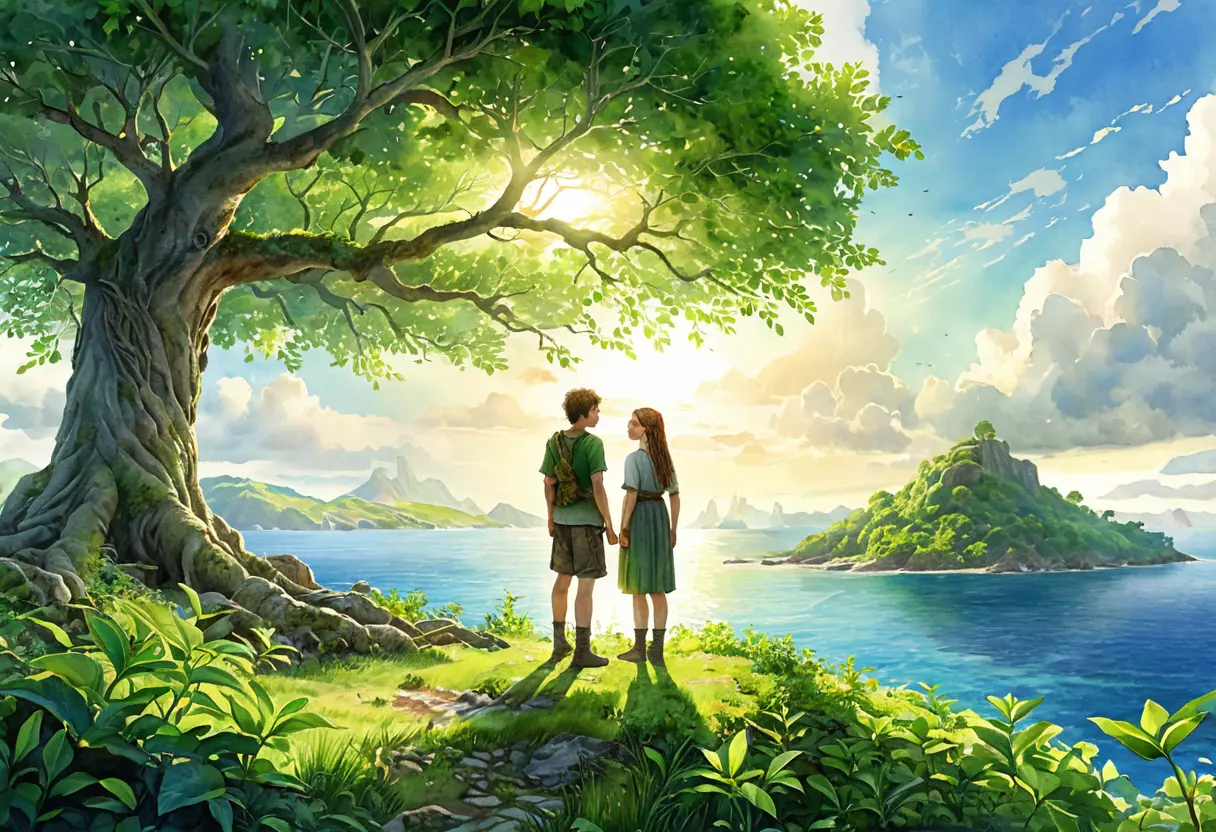
If the story ended there, it would be pure nihilism. But Norse mythology offers a final, shimmering coda. After the fires die down, a new, green earth emerges from the ocean.
A few younger gods—the sons of Odin and Thor—have survived the catastrophe. They find the golden game-pieces of their fathers in the new grass, symbolically beginning a new era. Most importantly, two humans, Líf and Lífþrasir , who had hidden within the hollow of the World Tree, emerge to repopulate the earth. They represent a new start, one free from the blood-feuds and ancient sins of the gods who came before them.
What Ragnarök Teaches Us Today
Ragnarök is a reminder that no civilization, no matter how advanced or powerful, is permanent. But it also teaches that “the end” is merely a reorganization of information. The old world must burn to make room for the new.
In an era of global anxiety and climate uncertainty, the Norse vision of a world that dies only to be reborn in silence and purity resonates with a powerful, haunting relevance.