Odin: The One-Eyed All-Father, Seeker of Forbidden Wisdom

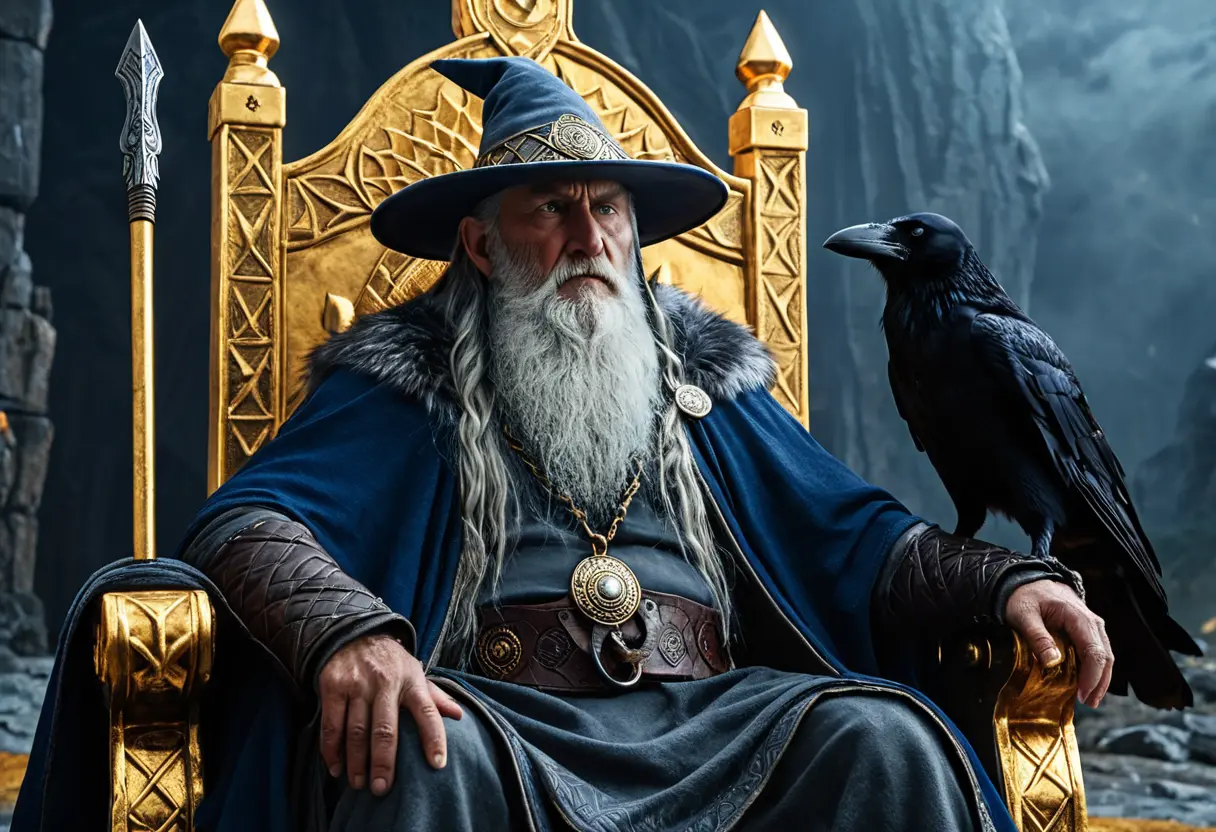
The Price of Wisdom: A Self-Sacrifice to Himself
Odin’s power is not a divine gift; it is the result of brutal transactions. He realized early on that to survive the coming twilight of the gods, he needed wisdom beyond the limits of immortality. *The Mimir’s Well : To drink from the Well of Wisdom, Odin removed his own right eye and cast it into the depths as an eternal payment. He gained the ability to see the past and future, but the loss left him with a permanent reminder of the price of truth. *The Discovery of the Runes : To unlock the secrets of the magical Runes, Odin hung himself from the Great Tree, Yggdrasil, for nine days and nights. He was pierced by his own spear, Gungnir, and received no food or drink. This was the ultimate ritual: “Offering himself to himself.” Through this near-death ordeal, he “caught” the runes and gained the power to control fate.
Valhalla: The Recruiter of the Dead
Odin is also the Valföðr (Father of the Slain). He gathers the souls of the bravest warriors who fall in battle, inviting them to his great hall, Valhalla .
However, this is not out of kindness. Valhalla is a strategic training camp. Odin knows that during Ragnarök, he will need an army (the Einherjar) to fight the giants. To ensure he has the best fighters, Odin is known to meddle in human affairs, often intentionally inciting wars or betraying his own favorite heroes on the battlefield just so he can “conscript” them into his celestial army. This cold-hearted pragmatism is why he was both revered and feared.
The Traveler’s Shadow: Influence on Modern Culture
Odin often left his throne to wander the Nine Worlds, disguised as a hooded, elderly traveler with a staff. This image of the “cloaked wanderer” has left a profound mark on Western literature and folklore. *Gandalf (The Lord of the Rings) : J.R.R. Tolkien explicitly stated that Gandalf was an “Odinic wanderer.” The grey wizard’s appearance—wide hat, cloak, and hidden wisdom—is a direct homage to the All-Father. *The Origin of Santa Claus : Many scholars see the roots of Father Christmas in Odin, who rode his eight-legged horse, Sleipnir, across the midwinter sky during the “Wild Hunt,” bringing gifts or omens to those below.
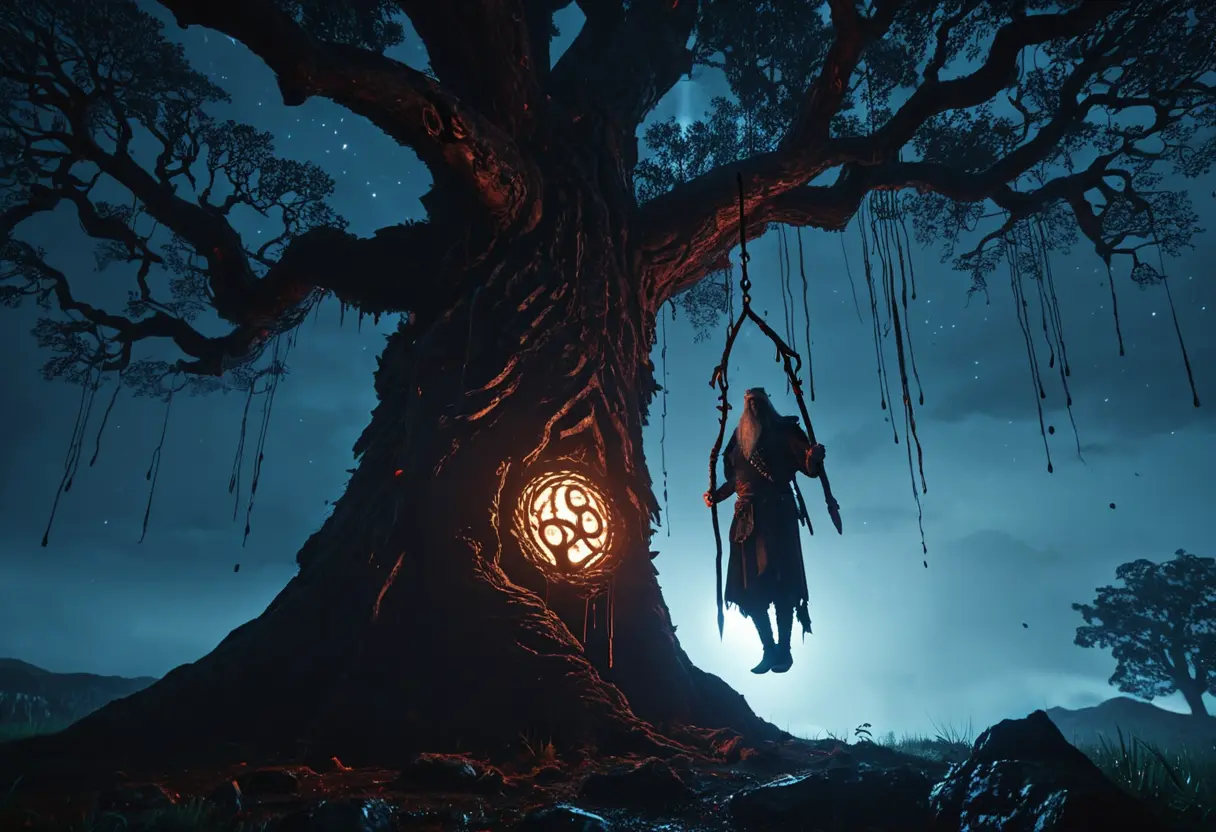
The Tragic Nobility of a Fated King
Despite his immense wisdom, Odin lived under a shadow. He knew he was destined to be swallowed by the great wolf Fenrir. He knew his kingdom would eventually burn. Yet, he never ceased his efforts to change the outcome.
Odin represents the peak of Norse morality: the defiance of fate . To know that you will fail, yet to fight with every ounce of your being and every secret of the universe, is the high-resolution tragedy of the All-Father.