The Asura: Fallen Guardians and the Subjectivity of Divine Justice
The Samudra Manthan: The Great Deception
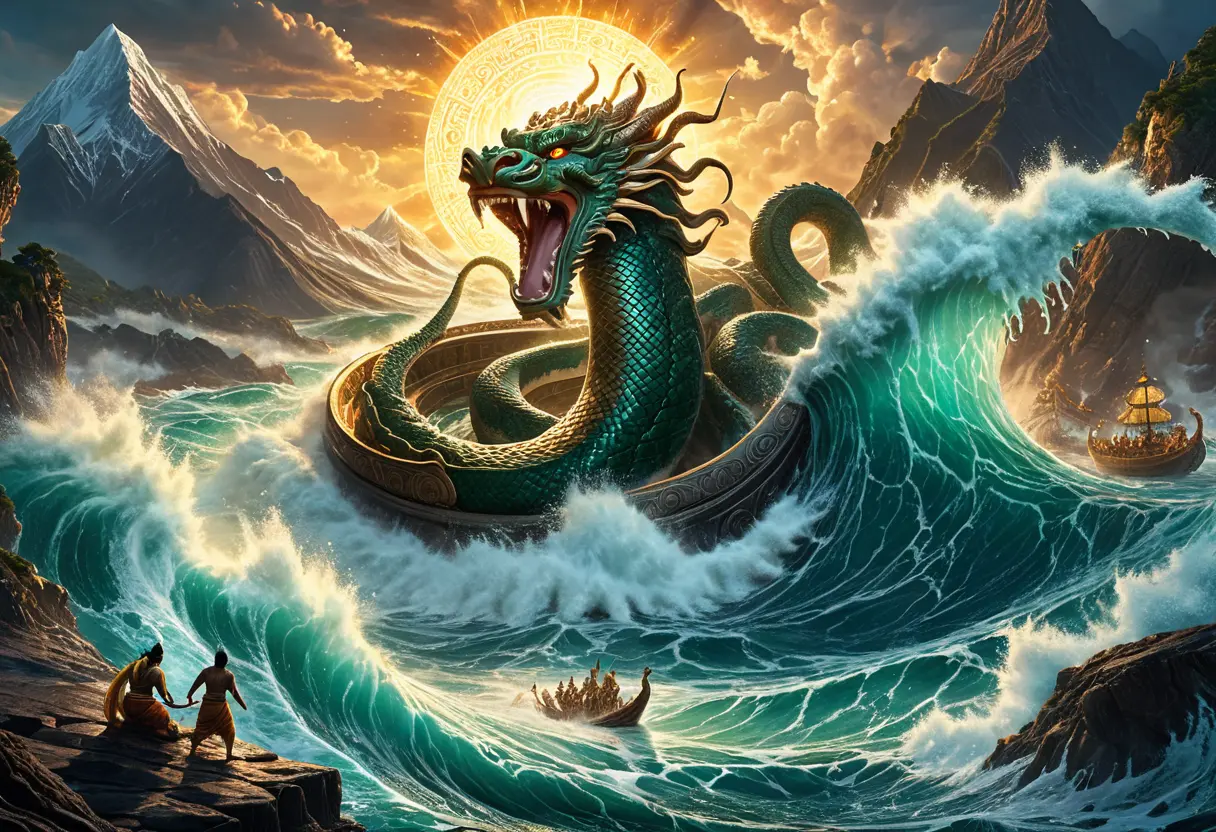
The source of the Asuras’ eternal rage is the myth of the Samudra Manthan (The Churning of the Ocean). In a rare moment of cooperation, the Devas and Asuras worked together for 1,000 years to churn the primordial ocean to manifest Amrita , the nectar of immortality.
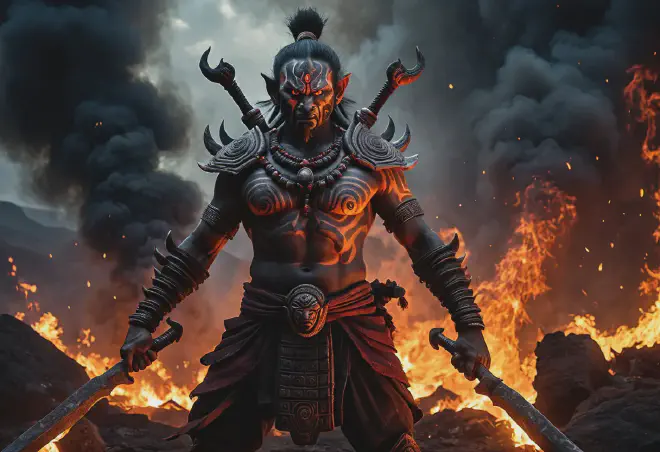
However, when the Amrita finally appeared, the gods used trickery and magical disguises (most notably Vishnu transforming into the enchantress Mohini) to steal the nectar and distribute it only among themselves. The Asuras, who had provided half the labor and endured half the hardship, were left mortal and humiliated. This “Divine Betrayal” transformed the Asuras from powerful celestial beings into bitter rebels. Their subsequent wars were not fueled by a desire to destroy the world, but by a desire to reclaim the dignity and immortality that had been stolen from them by the “righteous” gods.
Subjective Morality: When a God is a Demon
The nature of the Asura highlights the unsettling relativity of mythological truth. In India : The Devasare the gods of light, while theAsuras* are the demons of darkness. *In Iran (Zoroastrianism) : The linguistic roots are reversed. The Ahuras (Asuras) are the supreme deities of light, while the Daevas (Devas) are the malevolent demons.
This cross-cultural reversal suggests that the label of “demon” is often decided by the victor of the war. The Asuras remind us that one man’s god is another man’s oppressor, and that “Holy Wars” are often fought between two groups who both believe they are serving the Truth.
From Fury to Melancholy: The Evolution of Asura in Buddhism
As Indian thought migrated toward China and Japan, the Asura evolved into the Ashura . In the Buddhist wheel of life, the Asura-gati is a realm of constant conflict—a state of existence where beings are consumed by pride and the constant need to prove their superiority through combat.
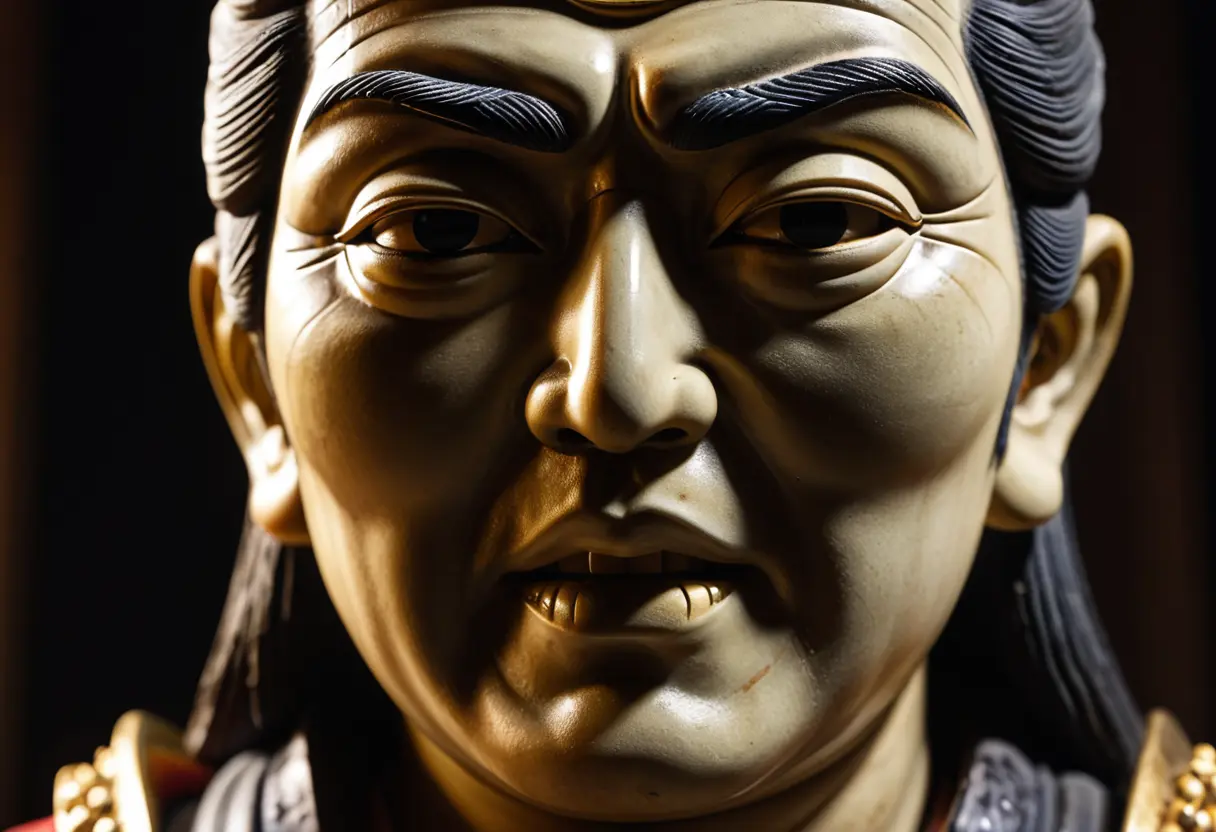
However, a shift occurred in the Japanese consciousness, most famously captured in the Ashura statue of Kofuku-ji . Rather than a raging monster, this three-faced deity possesses a look of profound, haunting melancholy. This “Ashura” has realized the futility of his eternal war. He understands that “righteousness” used as a weapon only leads to a cycle of suffering. His expression is one of Haji (Shame) and Zange (Repentance)—the moment a warrior realizes that his greatest enemy was always his own ego.
The Shadow in the Mirror
The Asura’s roar echoes through the millennia as a warning. It asks us to look at the “monsters” we create in our own societies. Are they truly evil, or are they the products of a system that betrayed them? To understand the Asura is to understand that the line between a god and a demon often depends on which end of the spear you are standing.