Indian Mythology: The Loom of Time and the Dance of Dharma

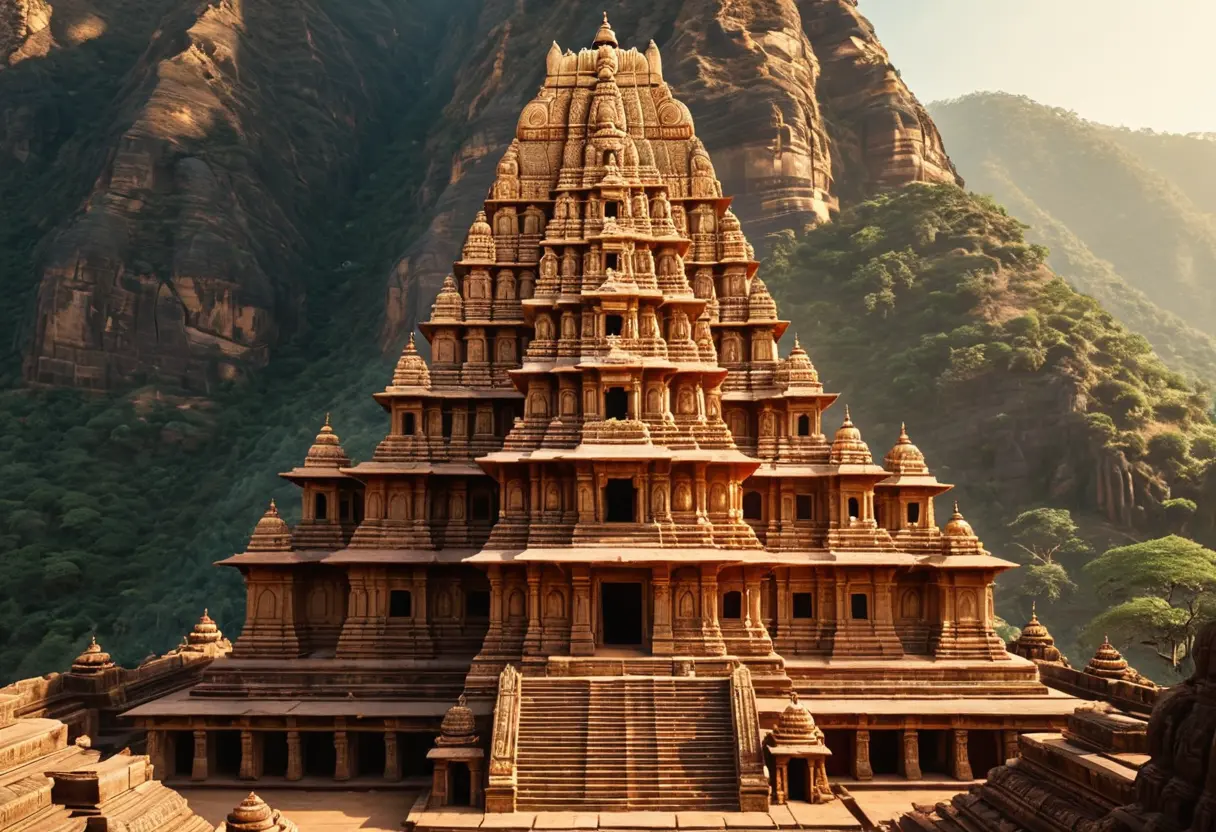
Panoramic view of an ancient Indian temple complex.


The Breath of the Cosmos

The Indian ethos is built upon the rhythm of Samsara —the endless cycle of birth, death, and rebirth. Here, we move through the grand arcs of creation and the gritty realism of human tragedy.

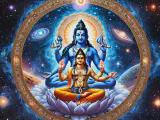
Explore the cosmic engine: Brahma the Creator, Vishnu the Preserver, and Shiva the Destroyer. Understand how these three forces keep the universe vibrating through the infinite cycles of the Kalpas.

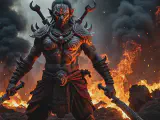
Beyond the label of “demon,” discover the tragic history of the fallen celestial guardians. Witness the subjectivity of divine justice and the evolution of the warrior-spirit into the melancholic Ashura of the East.

The world’s longest and most profound epic. A saga of family betrayal, the divine teachings of the Bhagavad Gita, and the terrifying, ancient descriptions of world-shattering weaponry.


The Logic of Rebirth

In this archive, we peel back the exotic layers of Vedic myth to find a core of absolute, mathematical logic. The myths of India are a mirror held up to the human condition, asking us to find our purpose in a universe that is far larger and more complex than we can ever imagine.


Other Domains of World Mystery *Egyptian Mythology: The Architecture of Eternity : Comparing the Indian cycle of rebirth to the Egyptian quest for preservation. *Greek Mythology: The Tragedy of Hubris : Where the erratic whims of gods replace the cosmic laws of Dharma. *PSI Abilities: The Modern Siddhis : Analyzing how ancient Indian mental powers (Siddhis) correlate with modern parapsychological research.
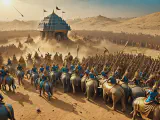
The Mahabharata: The Great Epic of Humanity and the Terrors of Ancient Weaponry

The Kurukshetra Gauntlet: Where Brotherhood Dies At the heart of the epic is the Kurukshetra War , an 18-day conflict that wiped out almost every royal lineage in India. Unlike wars against external “others,” this was a war against one’s own teachers, grandfathers, and cousins. The epic refuses to paint a Disney-esque picture of good versus evil. The “good” Pandavas frequently resort to deceit and dishonorable tactics to win, while

The Asura: Fallen Guardians and the Subjectivity of Divine Justice

The Samudra Manthan: The Great Deception The source of the Asuras’ eternal rage is the myth of the Samudra Manthan (The Churning of the Ocean). In a rare moment of cooperation, the Devas and Asuras worked together for 1,000 years to churn the primordial ocean to manifest Amrita , the nectar of immortality. However, when the Amrita finally appeared, the gods used trickery and magical disguises (most notably Vishnu transforming into the enchantress Mohini) to steal the nectar and distribute it only among themselves.

The Trimurti: The Cosmic Engine of Creation, Preservation, and Absolute Destruction

Brahma: The Architect and the Silence of Completion Brahma is the creator, the four-faced god who spoke the Vedas into existence and manifested the physical universe from the void. Each of his heads continuously recites one of the four sacred texts, maintaining the blueprint of reality. However, Brahma occupies a unique and somewhat tragic place in Indian worship. Unlike Vishnu and Shiva, who have millions of devotees, only a handful of temples in India are dedicated to him.