Egyptian Mythology: The Architecture of Eternity

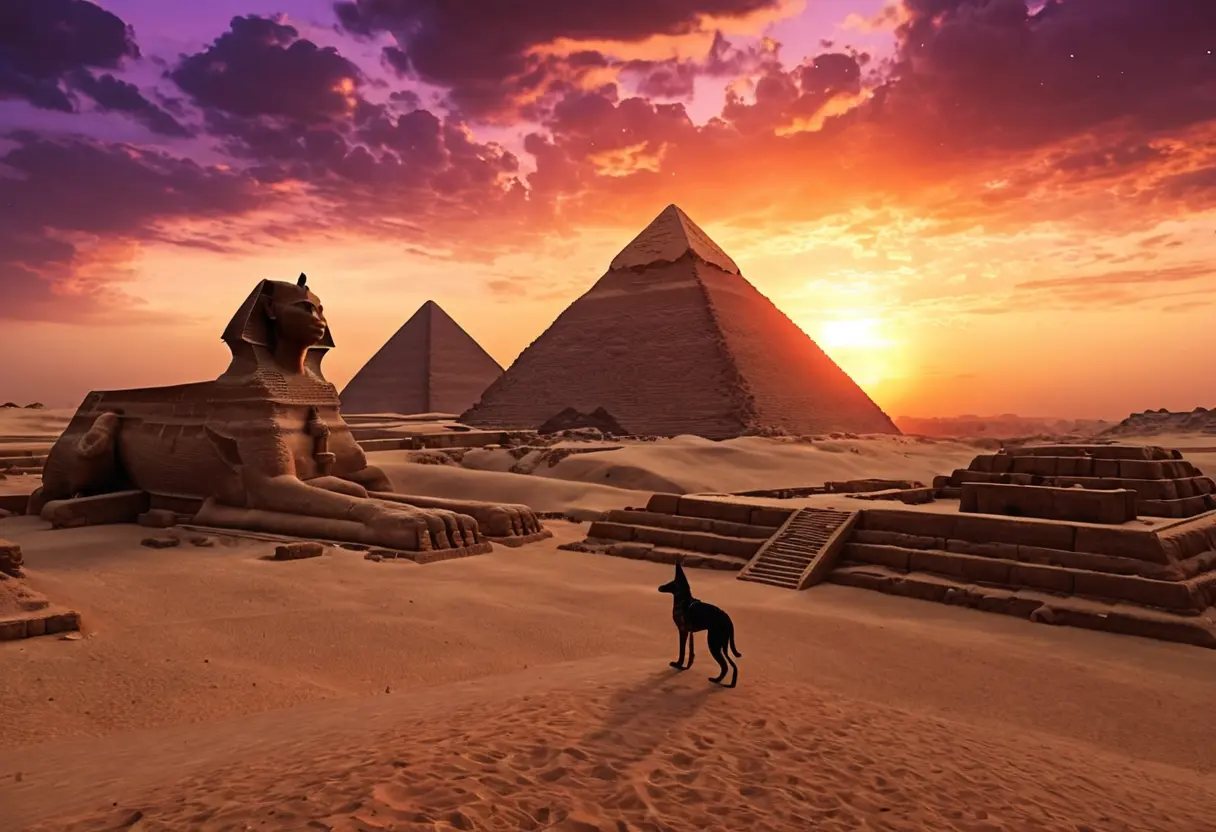
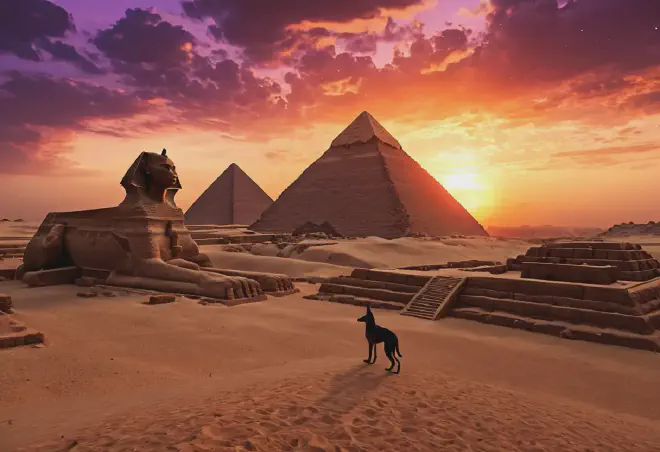
Panorama of an Egyptian temple with the sun setting.


The Cycle of the Sun and the Soil

The Egyptian ethos is built upon the rhythm of the Nile and the solar arc. It is a philosophy of preservation, where the physical and spiritual worlds are bound together through ritual and alchemy.

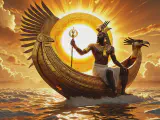
The source of all light and the master of the Solar Barque. Witness his nightly descent into the abyss of the Duat to do battle with the serpent of chaos, ensuring the world earns its tomorrow.

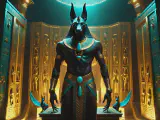
The sharp-eared sovereign of the threshold. Explore the role of the jackal-headed god as the meticulous scientist of mummification and the guardian of the divine scales.

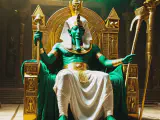
The god of regrowth who conquered betrayal and death. Osiris stands as the supreme judge and the ultimate symbol of life’s triumph over the shadows of the grave.

The “Cheat Code” for eternity. Discover how the ancient Egyptians used magic, words, and knowledge to bypass the traps of the underworld and claim their place among the stars.


The Logic of Preservation

In this archive, we move beyond the “cursed tomb” tropes of pop culture to uncover a brilliant, bureaucratic, and deeply hopeful system of belief. The Egyptians did not worship death; they worshipped the Continuity of life across any and all boundaries.


Other Domains of World Mystery *Greek Mythology: Archetypes of the Hubris : A contrast to Egyptian order; a world of tragic, human-like gods. *Norse Mythology: The Song of Finality : A fatalistic saga where even the gods must meet their certain end. *Exorcism: The Battle for the Vessel : Comparing ancient mummification (preservation) to modern ritual expulsion.
The Book of the Dead: A Survival Guide for the Souls of Duat

Negative Confession: The Legal Defense of the Spirit The center-piece of the Book of the Dead is Chapter 125, which details the “Negative Confession.” In the afterlife, a soul must stand before 42 divine judges and declare their innocence of specific crimes. This was not a humble confession; it was a magical defense . The Egyptians believed in the power of the Maa Kheru (True of Voice)—that declaring a fact with enough ritual intent could make it spiritually true.

Osiris: The Emerald King and the Myth of Eternal Resurrection

The Treachery of Set: The First Great Betrayal Osiris was once a wise and beloved Pharaoh who brought agriculture and civilization to the people of Egypt. However, his success sparked a violent jealousy in his brother, Set , the god of storms and chaos. Set plotted a murder of terrifying elegance. He crafted a magnificent chest (a sarcophagus) precisely to Osiris’s measurements and promised to give it to whoever fit inside perfectly.

Anubis: The Black Guide of the Threshold and the Scientific Hand of Death

The Black Jackal: The Alchemy of Death and Soil The choice of the jackal as Anubis’s avatar was born from a profound observation of nature. Wild jackals were known to prowl around cemeteries, often disturbing shallow graves. Rather than merely vilifying the creature, the Egyptians turned it into a protector. They invoked the “King of the Jackals” to guard their tombs, essentially using the predator to ward off other predators.

Ra: The Solar Sovereign and the Eternal Cycle of Decay

The Voyage of the Duat: The Nightly Battle for Reality For the Egyptians, sunset was not a peaceful transition but the beginning of a cosmic war. Each night, Ra’s barque would descend into the Duat (the underworld), transforming from the vessel of light into the dark ship Mesektet. The journey through the twelve hours of the night was a gauntlet of terror. At the center of this darkness lay Apophis , the primordial serpent of chaos.