Zashiki Warashi: The Guardian Child - The Prosperity and Peril of the Protector

In the deep, ancient houses of Tohoku and throughout Japan, there exists a presence that every traditional family both craves and fears. This is the Zashiki Warashi —the “Child of the Tatami Room.”
Appearing as a young child with a bob cut (okappa) and wearing a small kimono, the Zashiki Warashi is not a ghost of the deceased, but a household deity (Yashiki-gami). Their presence is a mark of extreme favor, a biological “luck charm” that ensures the absolute prosperity of the family lines. But much like the fragile balance of a Yuta’s spiritual counselor , this blessing is bound by rules of hospitality and the whims of a divine, capricious child.
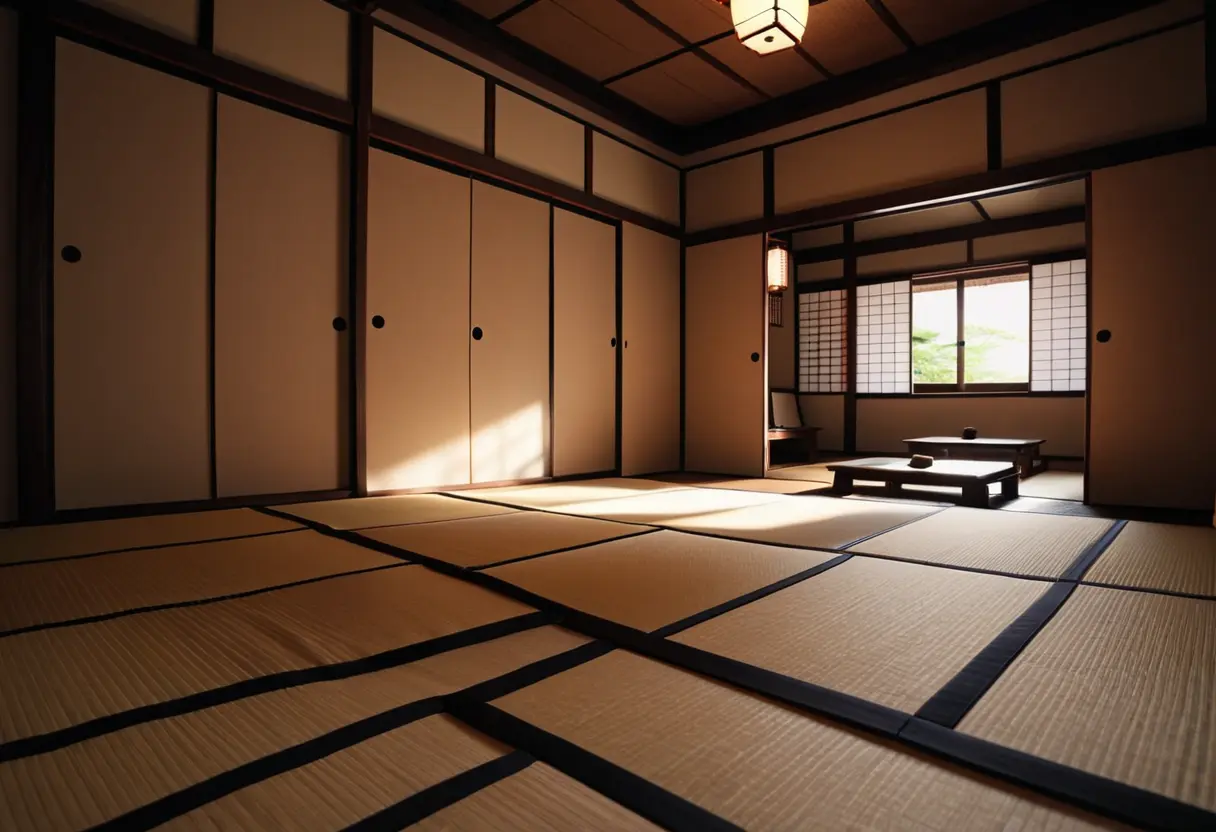
1. The Aura of Prosperity: A Breath of Life for the Estate
To have a Zashiki Warashi reside in your home is to be touched by the divine. Under their protection, business flourishes, crops are abundant, and the family tree grows strong. They are the personification of the “Vitality of the House.” They are most known for their playful, harmless mischief:
Invisible Play : Sounds of laughter, the pitter-patter of running feet, or the rattling of shoji doors at night.
Spectral Sightings : Only children or those with a “pure heart” can clearly see them; adults usually catch only a glimpse of a red kimono sleeve.
So long as the child is happy, the house itself is alive. It is a form of “Indigenous Feng Shui,” where the spirit and the architecture become one.
2. The Peril of Departure: The Silence of Ruin
The true terror of the Zashiki Warashi legend lies not in their presence, but in their departure .
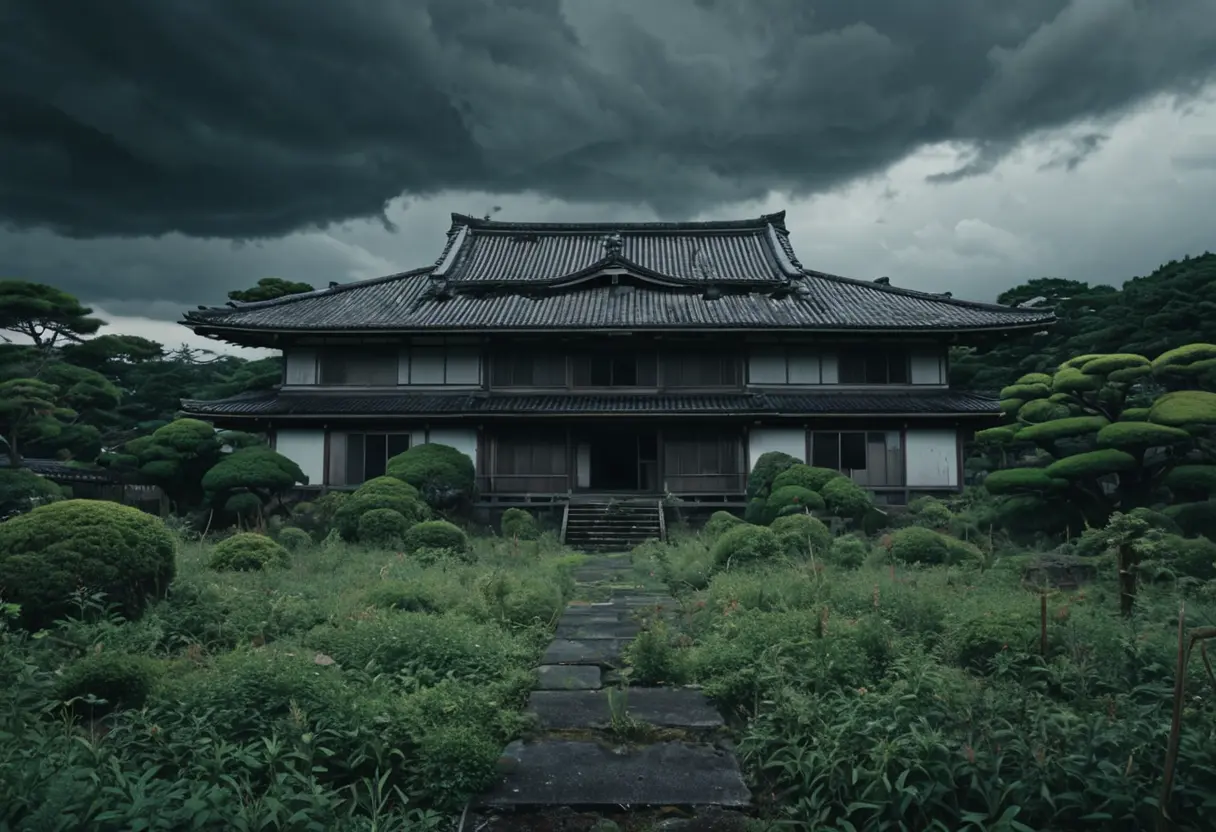
A Zashiki Warashi is notoriously fickle. If they are neglected, if the house becomes cold and filled with greed, or if their playful nature is met with anger, they will simply choose to leave. And when they walk out of the gate, the life force of the estate goes with them. This is the same primal dread that guards the Mound of Taira no Masakado —the knowledge that there are certain “spirits of the place” that must never be disturbed.
Historical anecdotes describe the aftermath of a departure:
Instant Downfall : Great merchant houses falling into bankruptcy within days.
The Shadow of Death : Rumors of entire families perishing from sudden illness or accidents shortly after the child was seen leaving.
The Desolated Hall : The mansion itself decays unnaturally fast, as if its soul has been hollowed out.
The relationship with a Zashiki Warashi is a high-stakes contract of hospitality . You are not merely housing a spirit; you are hosting the destiny of your entire lineage.
Reflection: The Longing for “Spirit of the Home”
In contemporary Japan, the Zashiki Warashi remains a popular figure. “Ryokan” (inns) that claim to host the spirit are booked years in advance by entrepreneurs hoping for a touch of fortune.
Why does this legend persist in our digital age? Perhaps it is because, in an era of isolating apartments and nuclear families, we long for the idea of a “Spirit of the Home” —the sense that our living spaces are more than just architecture. Like the Beliefs Hub explores, these myths are survival strategies for the heart, helping us find meaning and “connection” in the cold reality of modern wealth.
Yuta: The Spiritual Counselors of the Islands : Another case of a specialized guardian spirit maintaining a delicate balance.
Taira no Masakado: The Guardian of the City : Understanding the “Spirit of the Soil” that protects and punishes.
Beliefs Hub: The Strategy of Faith : Why we still need household gods in the age of data.