The Standard Anthology: The Architects of Modern Dread

Every culture has its shadows, but Japan’s “Standard” urban legends are unique in their clinical efficiency and their ability to transform the safest, most mundane environments into arenas of life-or-death confrontation.

These are not merely ghost stories; they are the Architects of Modern Dread . They established the templates for the “Double Bind” (the trap where both choices lead to death) and the “Unstoppable Pursuit” (the denial of physical escape). Here, we archive the entities that pioneered the viral spread of terror long before the existence of the internet.

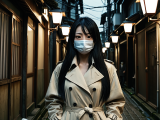
A dark residential street with long shadows of urban legend entities.

The Pillars of the Canon

The legends archived in this section represent the foundational elements of the Japanese urban horror psyche:

Why They Endure

These “Standard” legends survive because they function as more than just scares. They are Societal Safety Valves .

They allowed children to process the anxieties of a rigid education system, gave the working class a way to laugh at their own misery, and reminded a rapidly modernizing nation that the “Old Spirits” (the Yaoyorozu-no-Kami) were still watching—hidden behind the masks and within the machine.

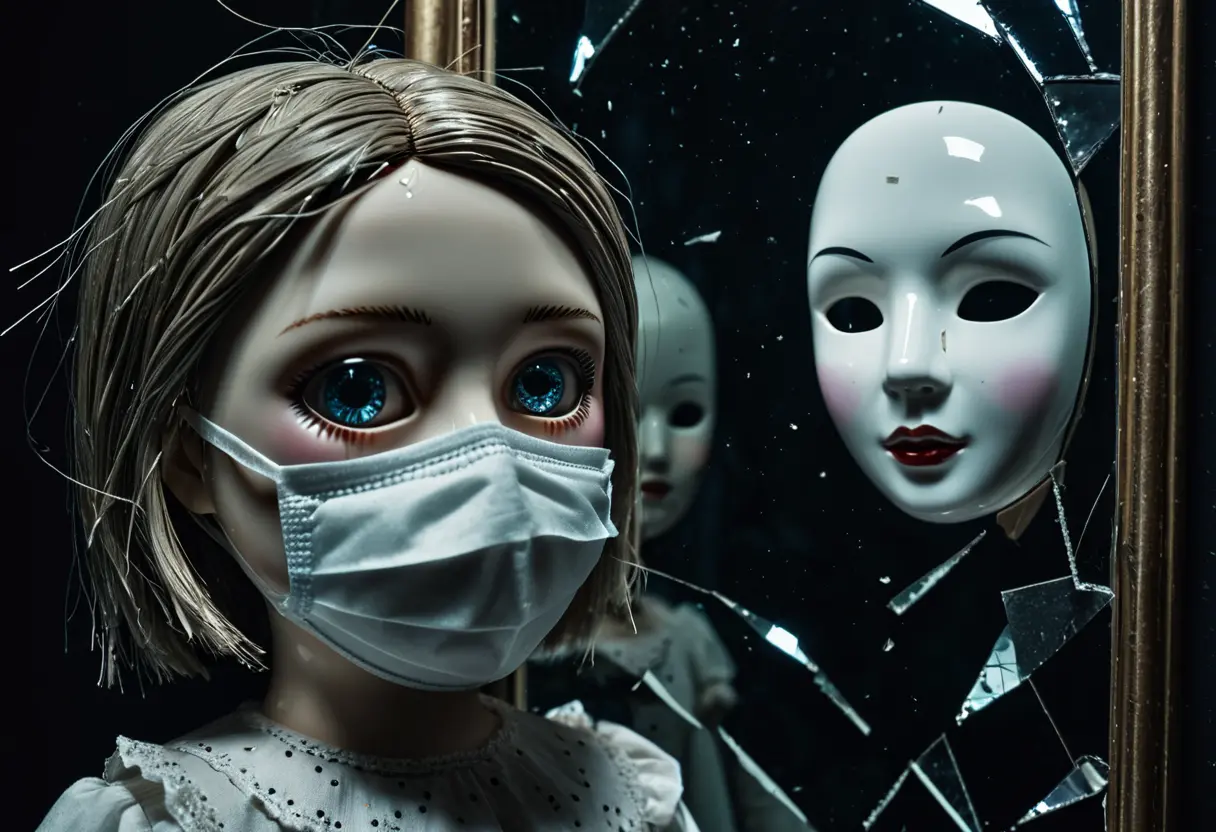
When you walk down a narrow alley tonight or answer a call from an unknown number, remember: these legends weren’t created to be believed. They were created to remind you that you are never truly as safe as you think. A fractured mirror showing a montage of urban legend masks and eyes.
Step carefully into the standard darkness. The rules have already been set.

Zashiki Warashi: The Guardian Child - The Prosperity and Peril of the Protector

In the deep, ancient houses of Tohoku and throughout Japan, there exists a presence that every traditional family both craves and fears. This is the Zashiki Warashi —the “Child of the Tatami Room.” Appearing as a young child with a bob cut (okappa) and wearing a small kimono, the Zashiki Warashi is not a ghost of the deceased, but a household deity (Yashiki-gami). Their presence is a mark of extreme favor, a biological “luck charm” that ensures the absolute prosperity of the family lines.

Kuchisake-onna: The Slit-Mouthed Woman - Japan’s First Analog Pandemic

The year was 1979. In an era without the internet or social media, a phenomenon occurred that literalized terror for every child in Japan. This was the reign of the Kuchisake-onna (The Slit-Mouthed Woman) . What started as a whispered rumor in a rural area of Gifu Prefecture traversed the entire island nation in just a few months. It triggered police patrols and forced schools to organize group walk-homes—a massive System Overload of the national security and education sectors.

Purple Mirror: The Memetic Time Bomb and the Fear of Maturation

1. The Paradox of Memory: Exploiting the White Bear Effect The malice of this curse lies in its exploitation of a fundamental human neurological vulnerability: the fact that the effort to forget a specific thought only serves to strengthen and reinforce it. This phenomenon, known in psychology as the Ironic Process Theory (or the White Bear Effect) , is effectively weaponized within the curse’s “operating system.” *The Infection : Acquiring the information—the phrase “Purple Mirror”—seeds the data into the mind.