Mary-san’s Phone: The Stalking Past and the Trap of the Permanent Connection

“Mary-san’s Phone” is a masterpiece of modern horror. While its foundation is built on the ancient concept of Animism —where a discarded object returns to seek its owner—the story evolves by using telecommunications as a conduit for an inescapable, mathematical dread. It is the definitive legend of the digital age, where the very tools meant to connect us become the vectors of a Real-time Physical Hack .
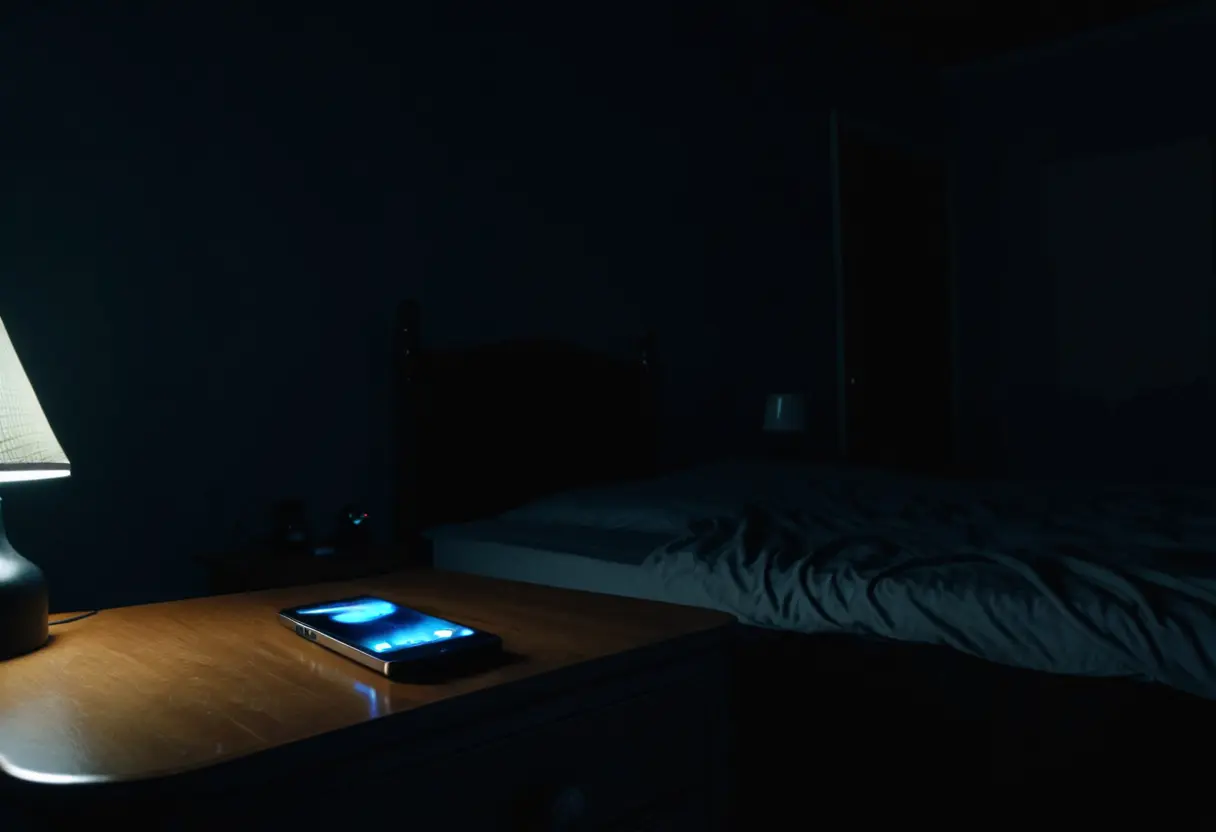
1. The Convergence of Distance: A Countdown to Despair
The genius of this legend is the process by which the physical distance decreases with absolute certainty every time the phone rings. It is a horror of geometry.
The Trigger : A child leaves behind an old doll during a move—a common act of childhood disposal.
The First Call : “I’m at the trash collection point.”
The Second Call : “I’m at the train station.”
The Third Call : “I’m at the entrance of your apartment building.”
The Final Call : “I’m right behind you.”
The victim is constantly “notified” of Mary’s progress. While this might seem to offer a margin for escape, it is actually a form of psychological torture—a vivid realization that your sanctuary is being systematically erased . In modern terms, this prefigures the horror of “read” receipts and constant location updates. Mary-san doesn’t hide; she broadcasts her approach, knowing that the most terrifying thing isn’t the unknown, but the inevitable .
2. Guilt in a Consumer Society: The Revenge of the Discarded
The root of the story lies in the resentment of a thing once loved and then betrayed. Japan, having gone through a period of hyper-growth characterized by mass production, projected its collective culpability toward waste onto this legend.
Rejection of Disposal : An object once treated as “family” is suddenly demoted to “trash.” Much like the vengeful spirits that guard Taira no Masakado’s Shrine , Mary-san represents a force that refuses to be ignored or moved by human convenience.
Individual Identity : She is not just “a doll”; she returns as an “Individual” (Mary) with her own agency and phone number.
This is a modern resurrection of the ancient Japanese concept of Tsukumogami —the belief that objects acquire a soul after living for 100 years. In our modern throwaway culture, Mary-san is the debt collector for the past we thought we buried in the landfill.
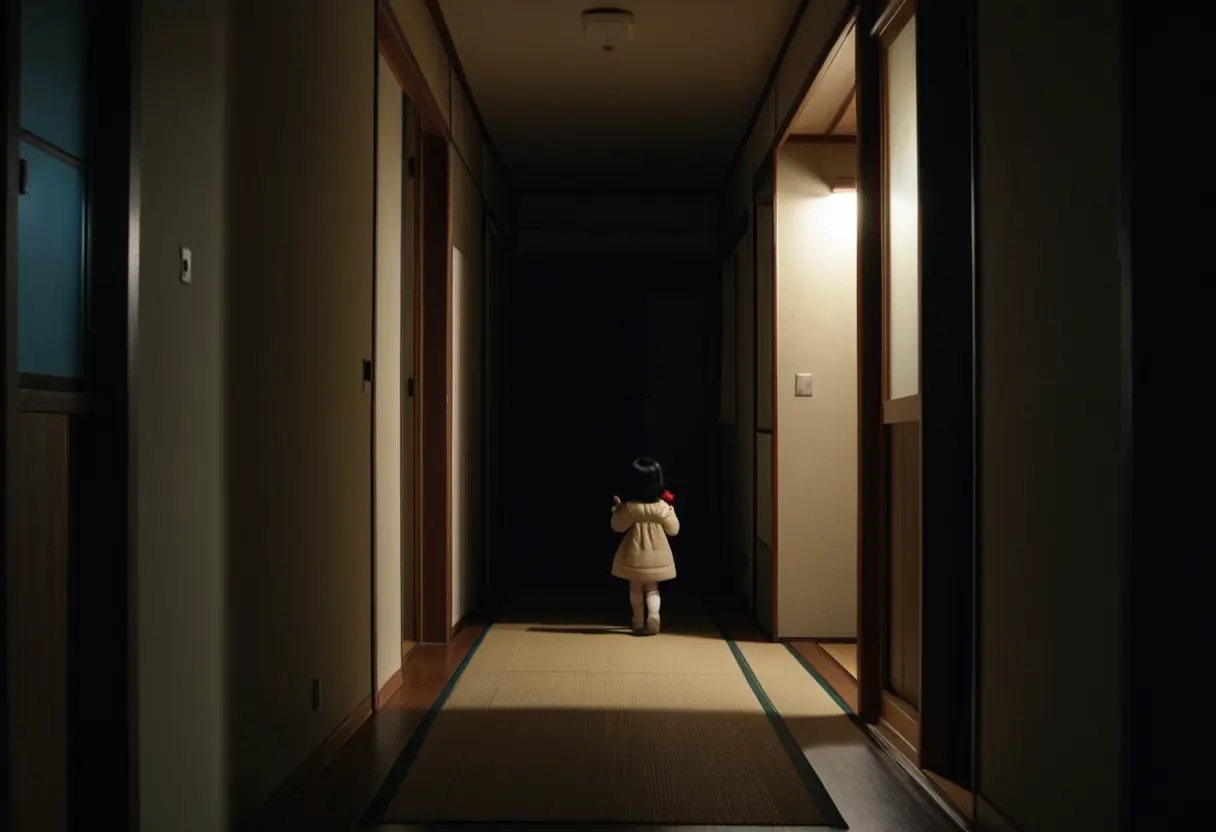
Reflection: The Collapse of the Virtual Barrier
The finale of Mary-san’s legend always ends with the declaration: “I’m right behind you.” The beauty of this punchline is the collapse of the barrier provided by technology . The entity that was safely contained in the “virtual space” of the handset suddenly teleports into the most vulnerable, physical space of the user. It is a reminder that to be “connected” is to be “vulnerable to intrusion.”
In an era where we are permanently linked to the world, Mary-san serves as a warning: the past, the memories, and the responsibilities you once rejected are never truly “deleted.” They are simply traveling toward you, one phone call at a time.
Hitori Kakurenbo (One-Man Hide and Seek) : A dangerous ritual of inviting spirits into dolls.
Taira no Masakado: The Spirit That Won’t Be Moved : Another case of a “discarded” force ruling the modern city.
Satoru-kun: The Oracle in the Booth : Connecting with the other side via telecommunications.