Coin Locker Baby: The Forgotten Log of the Concrete Jungle
The System Storage of Human Tragedy
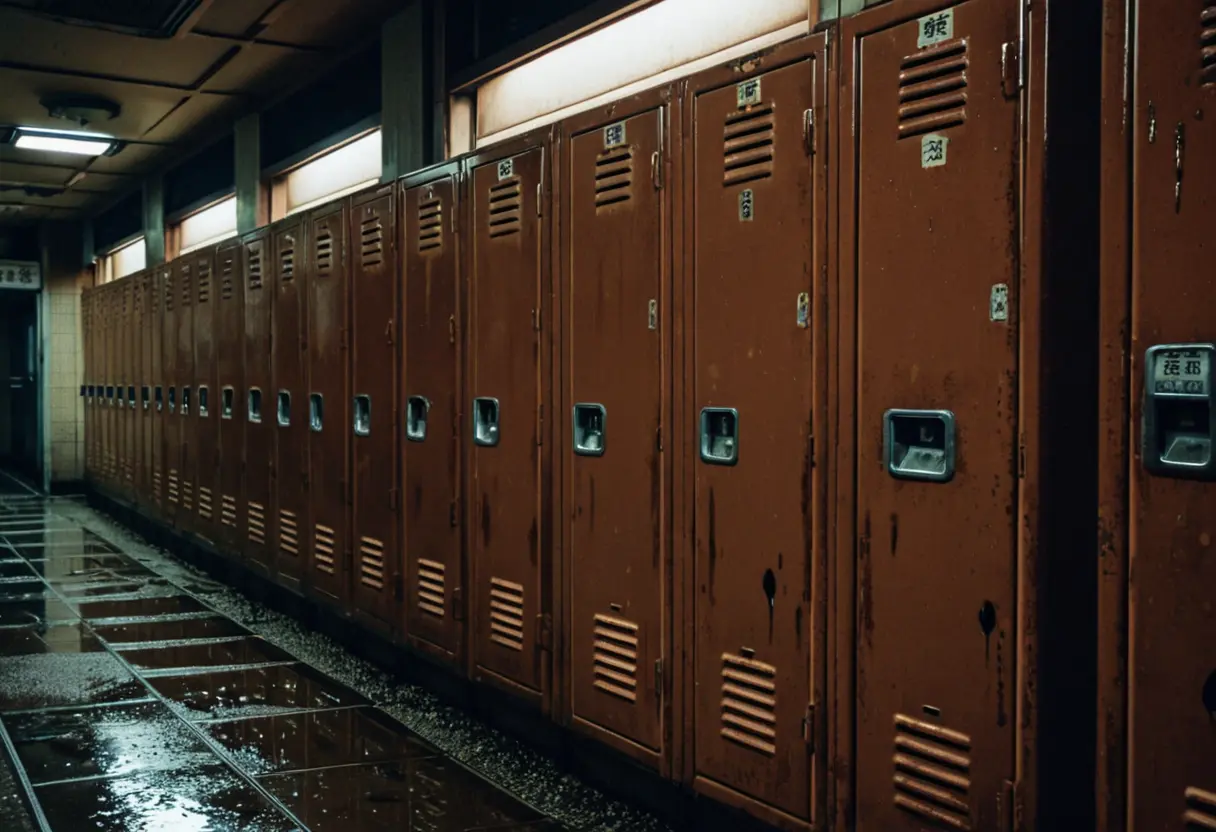
In the corner of every bustling terminal station in Japan stands a grid of cold, metallic boxes. Today, they store luggage and groceries. In the 1970s, they became the “Dead Drop” for unwanted life. During the peak of Japan’s post-war hyper-growth, the term “Coin Locker Baby” became a dark buzzword. Starting with a discovery in a Shibuya department store in 1970, abandonment cases surged. By 1973, over 40 cases per year were reported in major hubs. The coin locker served as the ultimate “Anonymous Storage”—a glitch in the urban infrastructure that isolated parents used as a terminal choice.
“It’s You”: The Vengeful Feedback Loop
The reality of these tragedies soon birthed an “Avenging Legend,” a manifestation of societal guilt.
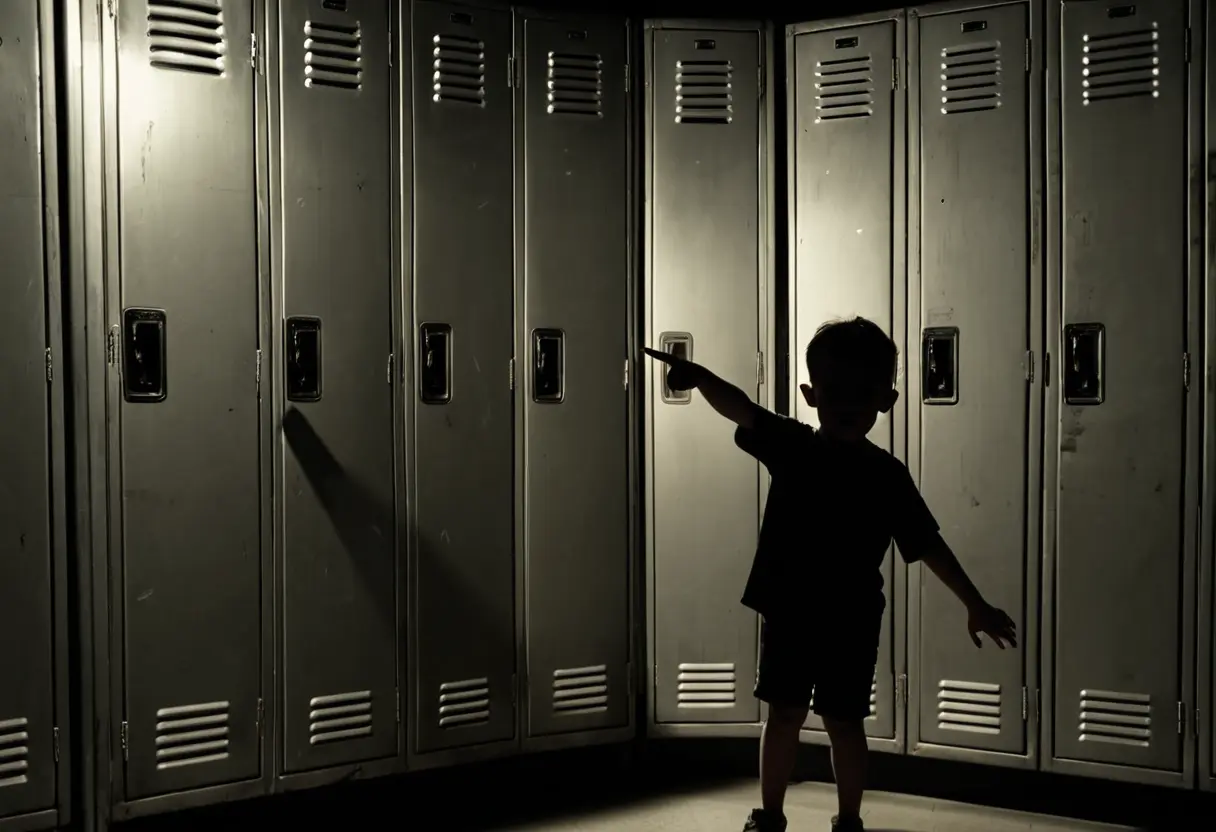
Years after abandoning her child, a woman returns to the same locker. She sees a small child standing there, looking lost. “Where is your mother?” she asks, pitying the boy. The child turns, his face contorting into something inhuman, and points directly at her:
“It’s YOU!” This isn’t just a ghost story; it is a System Audit . It represents the “return to sender” of a memory the society tried to delete. Rumors of phantom infant cries echoing from the back of locker bays still haunt older stations, acting as a persistent background noise of unresolved trauma.
Evolution of the Archive: From Lockers to the “Cradle”
As locker security was updated and surveillance systems were installed, the “Storage Error” changed its form. Abandonments moved to park restrooms or parked cars. However, the 1970s tragedy sparked a much-needed discussion on social safety nets.
The modern response, such as the “Stork’s Cradle” (Baby Hatch) at Jikei Hospital in Kumamoto, can be seen as a “System Patch”—a way to offer a safe “Input” for life that society can no longer ignore.
Cultural Scars: The Permanent Record
The Coin Locker Baby phenomenon left an indelible mark on Japanese subculture, transcending news reports into high art: *Literature : Ryu Murakami’s Coin Locker Babies is a seminal work, depicting two survivors of the lockers searching for destruction and rebirth in a heartless city. *Media Imagery : The “Iron Box” has become a permanent metaphor for Alienation in Japanese cyberpunk and psychological horror.
Modern lockers are monitored by sensors and IC cards, yet as long as the “Social Isolation” glitch remains unpatched, the urban landscape will continue to hold the potential for these “Forgotten Logs.”
*The Purple Mirror: End of Innocence : How legends act as a countdown for the transition into adulthood. *Black Kewpie: Records of Neglect : The dark side of consumer icons and domestic tragedy. *Inunaki Village: The System Excluded : Exploring the gaps in the national administrative system.