Studio Ghibli Lore: The Shadows Behind the Masterpieces

The works of Studio Ghibli are beloved globally for their breathtaking artistry and emotional depth. However, the more brilliant the light, the deeper the shadows it casts.
Despite official denials, dark rumors have circulated for decades. These aren’t just malicious pranks; they are the result of the audience “debugging” the masterpieces—peering into the “unrendered” spaces where our collective anxieties and social traumas are projected onto the beautiful animation.
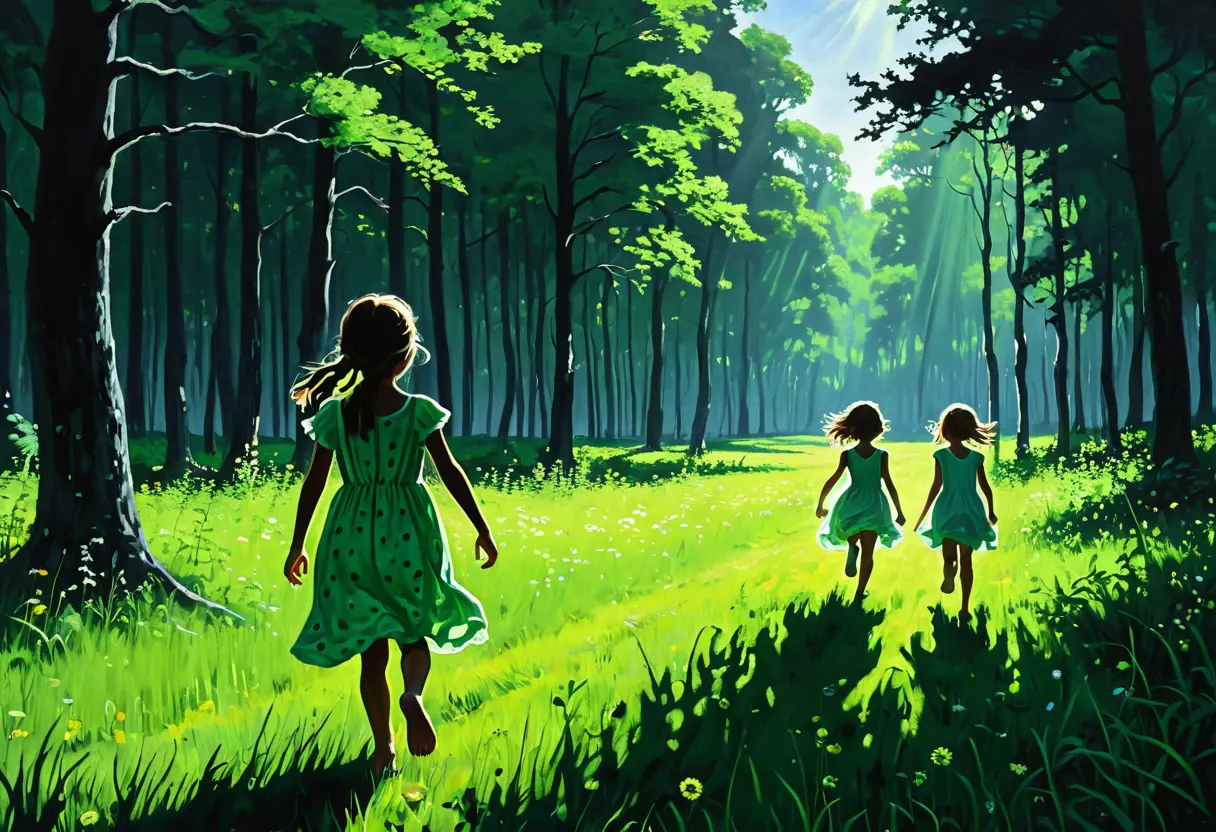
1. My Neighbor Totoro: The God of Death and the Missing Shadows
The most pervasive theory claims that Totoro is a God of Death (Shinigami) , and that the protagonists, Satsuki and Mei, are actually dead by the film’s end.
Fans point to specific “glitches” in the narrative:
The Missing Shadows : In the final sequence, the sisters appear to have no shadows.
The Catbus as a Hearse : The destination board on the Catbus briefly displays “Grave road” (墓道) in Japanese.
The Incident Link : Rumors link the setting to the “Sayama Incident,” a tragic real-world crime from the 1960s.
Studio Ghibli officially dismissed these claims, stating that the missing shadows were simply a time-saving measure in the animation process. Yet, the image of a massive entity—visible only to children—whisking them away to their hospitalized mother in a supernatural vehicle remains a chillingly perfect metaphor for a final journey. We see in the rural landscape a premonition of “Loss” that adulthood can never truly fix.
2. Spirited Away: The Bathhouse as a Red-Light Metaphor
While some theories are speculative, others are rooted in Social Commentary . Director Hayao Miyazaki has hinted that the “Aburaya” (The Bathhouse) in Spirited Away is a metaphor for the Japanese sex industry of the Edo period.
The Loss of Name : Stripping a girl of her name and giving her a pseudonym (Sen) was a standard practice in red-light districts.
The “Yuna” : The women who attend to the guests are called Yuna, a historical term for female bath attendants who also provided sexual services.
No-Face (Kaonashi) : He represents the wealthy, faceless customers attempting to buy a girl’s soul with boundless gold.
In this light, the film is a story of a young girl thrown into the harshest, most absurd machinery of society, navigating a world where “everything has a price” without losing her core identity. It is a “Double-Coded” masterpiece: a fantasy for children, and a grim socio-economic report for adults.
3. Ponyo on the Cliff by the Sea: The Afterlife in the Flood
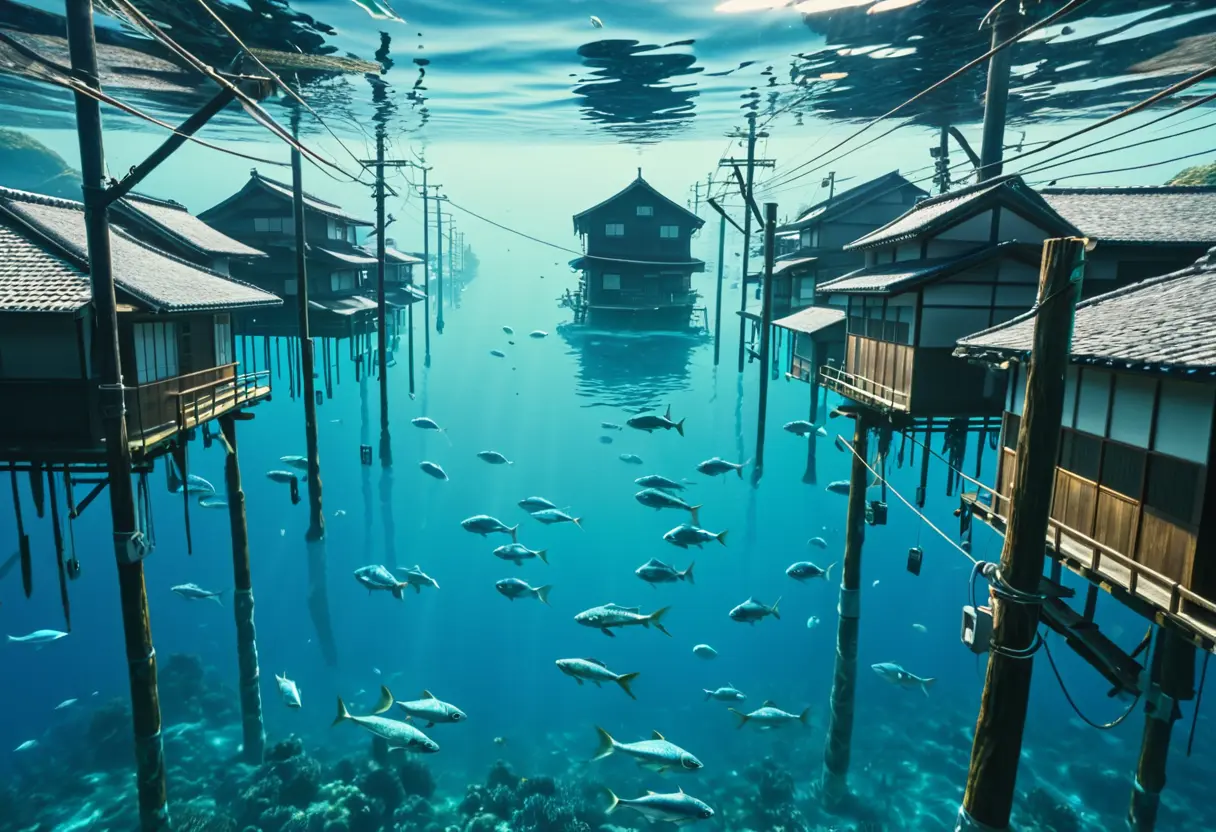
The second half of Ponyo presents a surreal, almost blissful world where the town is completely submerged. Curiously, the residents sail their boats with an eerie, euphoric calm. Elderly people who couldn’t walk are suddenly running with joy.
Is the flood a miracle, or a transition to the Other Side ?
Miyazaki’s “water” is a dual-purpose system: it is the source of life, but it is also the river that wipes the world clean. The multi-layered beauty of the underwater world may be the peace that comes after the system has reached its endgame.
Reflection: The “Abyss” in the Frame
Why do we look for the darkness in Ghibli?
It is because Hayao Miyazaki refuses to sanitize the “Gray Zones” of existence. He paints the boundary between life and death as a fluid, shimmering line.
His worlds are not explained; they are experienced . When an adult viewer pours their own knowledge of mortality and social rot into the “Empty Spaces” Miyazaki leaves behind, the animation transcends childhood fiction. It becomes a Modern Myth —a beautiful, terrifying mirror that reflects the unsaid truths of our world.
AKIRA: The Prophetic Ruin : When animation successfully “predicted” the glitches of the future.
Kisaragi Station : The digital lore of stepping into a non-existent dimension.
Apophenia: The Pattern of Fear : Why our brains “debug” meaning into random animation choices.
Japanese Beliefs Hub : Understanding the “Invisible Order” in Japanese culture.