The Sameshima Incident: The Legend of the Unspeakable Void

1. The Architecture: A Dance Around an Empty Center
The uniqueness of the Sameshima Incident does not lie in its being a “lie” or a “hoax.” It is, instead, a highly sophisticated Collective Improvisation . Everyone involved understands that the event does not exist, yet they act as if it is a terrifying truth.
The social protocol is remarkably consistent:
The Innocent Intrusion : A “Newbie” enters the board and asks, “What was the Sameshima Incident?”
The Ritualistic Warning : Veteran users react with over-the-top panic: “Hey, stop!” “Don’t say that name!” “Are you trying to get assassinated by the Public Security Bureau?”
Fragmented Misinformation : Someone else drops a cryptic, disconnected detail—something about a “VHS tape recovered by police” or “the state of Kashiwagi’s body.” These details are never explained.
Completion through Silence : The thread is abandoned or closed before the “whole story” is told, leaving the questioner in a state of genuine, unearned fear.
2. The Mechanics of Fear: The Canvas of the Void
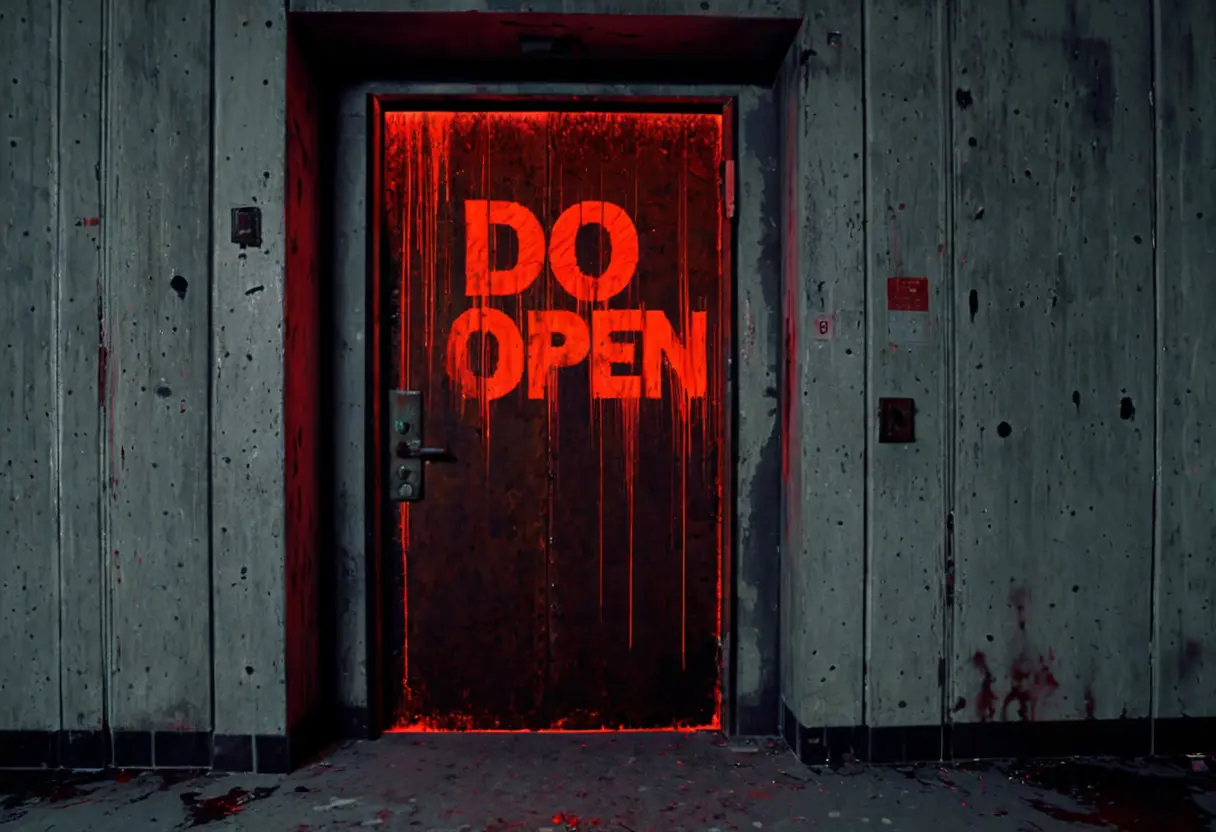
Why did this digital game become so infectious? It is because the legend is “Empty.”
Human psychology has a natural reflex to fill a vacuum. When confronted with a mystery that has no answer, our subconscious projects its own worst fears into the space. By providing the framework of “Sameshima,” the legend forces the reader to illustrate their own private nightmare.
This is a digital-age reinterpretation of Lovecraftian “Indescribable Horror.” Because the event has no content, it can never be debunked, never become outdated, and never lose its power. It sucks in the anxieties of every new generation and changes its shape to fit them.
3. Bleeding into Reality: When Fiction Gains Mass
Occasionally, the Sameshima Incident breaks the fourth wall of the internet. It has been adapted into films, novels, and referenced in mainstream media.
On digital maps, users continue to search for “Sameshima” in remote coastal areas, trying to anchor the ghost to a physical coordinate. Because people keep calling its name, the phantom has gained a form of “Social Factuality.” It proves the danger of Meme Infection : if enough people share a story, it develops a reality of its own, regardless of its truth.
Reflection: Accomplices in the “Emperor’s New Clothes”
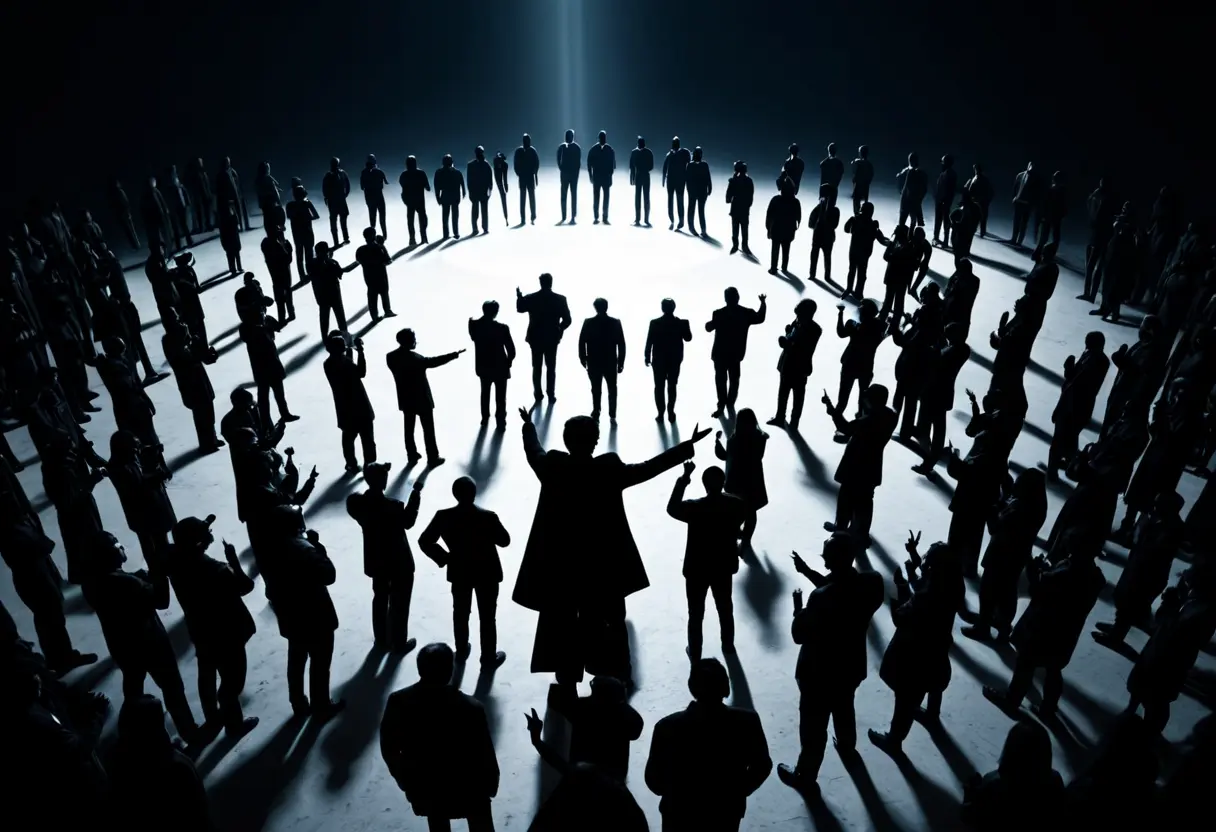
The users who participate in the Sameshima Incident know exactly what they are doing. They are the audience praising the “Emperor’s New Clothes,” but in this case, the clothes are made of concentrated dread.
They participate because, in the lonely, anonymous sea of the web, this legend serves as a Unique Shared Language . By sharing a taboo—even a fake one—they connect with strangers across the globe and share a dream (or a nightmare) for one night.
The Sameshima Incident is a poisonous yet beautiful flower of Collective Fantasy , blooming in the barren wasteland of the anonymous boards.
Gozu (Cow Head) (To-Do): A classic Japanese legend of a story so scary that no one who hears it survives to tell the tale.
Anatomy of a Rumor : How simple whispers evolve into society-altering myths.
Kisaragi Station : A physical location born from a digital glitch.
SCP Foundation : The ultimate modern archive of “Cognitohazards” and redacted truths.