Kamikakushi: Spirited Away - Vanishing into the Borderlands

While the West often looks to kidnappers or alien abductions, the Japanese tradition looks to the Borderlands —the thin, fraying edges of our world where the human and the divine overlap.
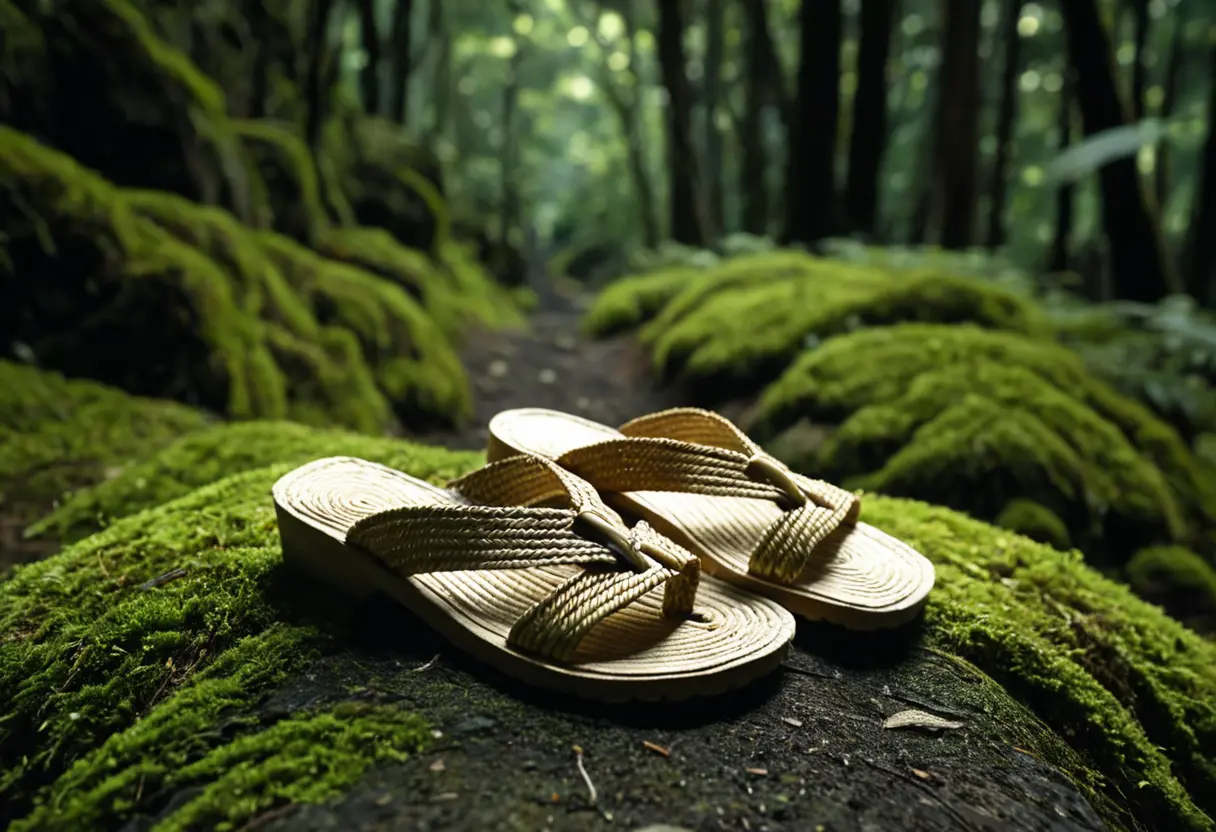
1. The Call of the Wild: Tengu and the Mountain Shadows
In the records of early Japanese folklorist Kunio Yanagita , Kamikakushi was a constant, terrifying reality of rural life. The mountains were not just geographical features; they were the sovereign territory of gods and monsters.
Tengu-sarai (Tengu Abduction) : The most common culprit was the Tengu—formidable mountain spirits with long noses or beak-like features. Victims were said to be snatched up and returned days later, found in impossible places like temple roofs or deep thickets, often in a state of “lost soul” (tamashii-nuke), unable to describe the “other side.”
The Hidden Village : Some legends speak of a more seductive disappearance—wandering into a “Kakure-zato” (Hidden Village) where time flows differently and gold grows like wheat. However, those who return often find their treasures turned to stones and their loved ones long dead.
2. The Social Safety Valve: A Myth of Mercy
Beneath the supernatural terror, historians see a darker, more pragmatic function for the Kamikakushi legend. In the harsh, feudal society of pre-modern Japan, it served as a Social “Agreeable” Lie .
A Screen for Tragedy : In villages suffering from extreme famine, the practice of Mabiki(infanticide/thinning) was a horrific reality. Labeling a child’s death asKamikakushi allowed the community to process the loss without the destructive weight of public guilt or legal prosecution. They weren’t “killed”; they were “taken by the gods.”
The Right to Reset : For those trapped in oppressive marriages or social debt, “evaporating” into another life was a way to escape. Describing a runaway as “spirited away” protected the family’s honor (menboku) from the shame of abandonment.
3. Modern Shadows: The Digital “Spiriting Away”
The mountains have been mapped, but the Kamikakushi has merely migrated into the gaps of our modern infrastructure.
Kisaragi Station: The Station that Doesn’t Exist : A passenger boards a train and finds themselves at a station that shouldn’t exist. This is the modern “Fox Abduction,” where the glitchy logic of the railway replaces the misty mountain path.
Liminal Spaces & The Backrooms : The contemporary fear of “noclip-ing” out of reality into an endless, empty office space is the ultimate evolution of Kamikakushi. It is the fear that our physical world is just a simulation with a fragile boundary.
The Blind Spots of Surveillance : In a world of 24/7 cameras, vanishing from a “dead zone” is more disturbing than ever. It suggests a flaw in the system—a “bad sector” of reality where the gods still hold sway.
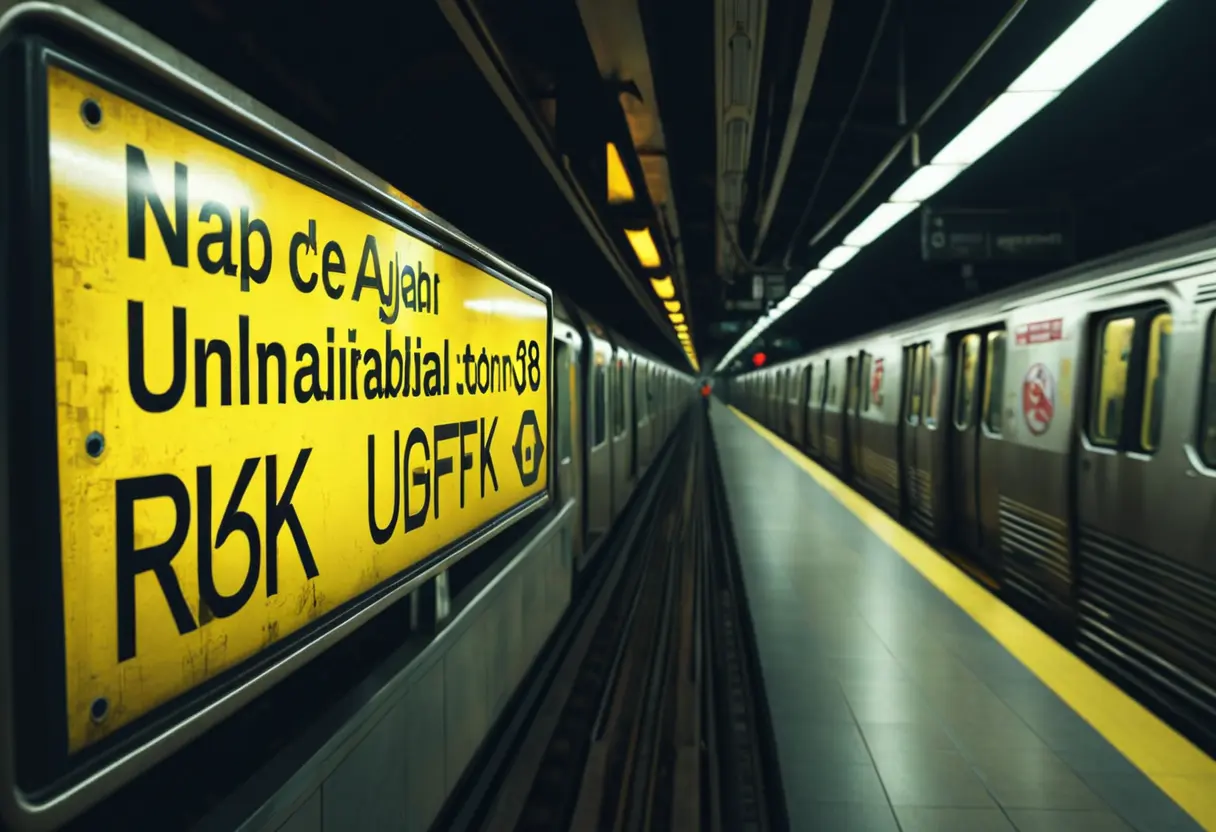
Reflection: The Twilight Gateway
Kamikakushi always happens at the borders. It is the time of Oma-ga-toki (The Hour of Meeting Evil Spirits/Twilight), where the light or shadow is neither. It is the boundary between the village and the forest, or the smartphone screen and the dark room.
If you ever find yourself walking a familiar path and notice the sounds of the city suddenly go silent— do not keep walking. The threshold to the borderlands is often silent, and the gods rarely ask permission before they hide you.
Kisaragi Station: The Accidental Traveler : Documentation of the most famous digital disappearance.
The Backrooms: The Infinite Office : When the modern world glitches into a nightmare.
Hasshaku-sama: The Eight-Foot-Tall Woman : A predator that hunts children for the other side.
Beliefs Hub: The Strategy of Faith : Why we create myths to survive reality.