Y2K: The Millennium Bug - When the Digital Clock Almost Stopped Time

“At the stroke of midnight on January 1, 2000, planes will fall from the sky, financial markets will collapse, and nuclear missiles will launch by mistake.”
In the late 1990s, the world was paralyzed by a digital apocalypse known as the Y2K Problem (The Millennium Bug) .
Yet, when the curtain rose on the year 2000, the world was surprisingly calm. Many laughed it off, dismissing the fear as a “collective hysteria” or a “hoax.”
But the truth is far more profound. Y2K was the first global system crisis humanity faced, and it was successfully averted by our own hands in secret .
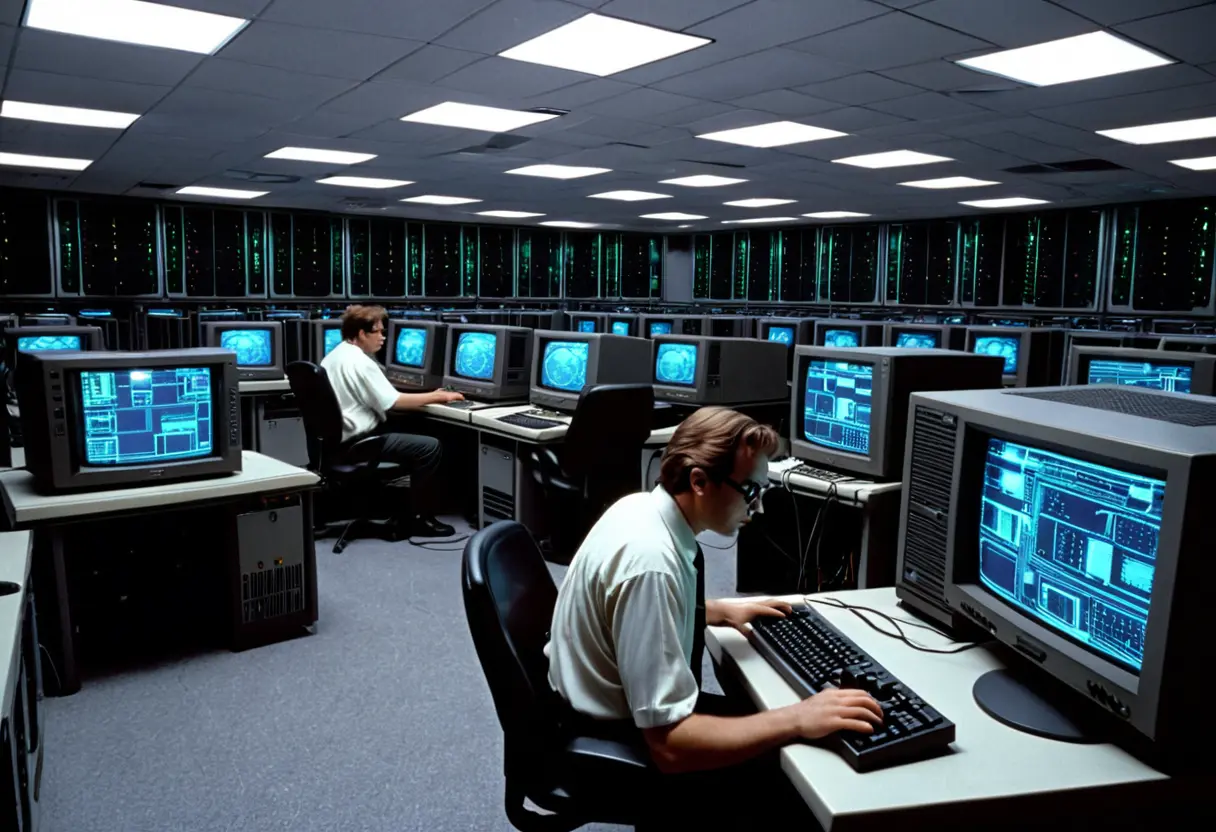
1. The Genesis: The “Two-Digit” Shortcut
The essence of the Y2K problem was remarkably analog. In the early days of computing, memory and storage were incredibly expensive and precious. To save space, programmers adopted the habit of storing years as only the last two digits:
- 1998 →
98- 1999 →99This worked perfectly—until the next year. After99came00.
Computers wouldn’t interpret 00 as the year 2000, but as 1900 . This threatened to invert dates, break interest calculations, delete inventory records, and collapse every concept of time that underpins a functioning society.
2. The Truth of the Aversion: The Unseen Shield
Why did nothing happen in 2000?
Because for years leading up to the millennium, IT engineers around the world put in blood-sweat-and-tears efforts to fix the systems:
Massive Code Audits : Technicians manually verified tens of millions of lines of “spaghetti code” written in legacy languages like COBOL, painstakingly updating “19XX” logic to allow “20XX.”
Windowing Patches : Temporary fixes were applied (e.g., “If year is between 00 and 20, assume 2000s; otherwise, assume 1900s”).
National Contingency Plans : Governments placed power grids, banks, and transport systems on high alert, preparing for the absolute worst-case scenario.
The quiet morning of January 1, 2000, was not proof that the prophecy failed, but proof of the engineers’ success. To an infrastructure engineer, a day where “nothing happened” is the ultimate compliment.
3. The Quiet Failures: Troubles that Did Occur
It is not quite accurate to say “nothing happened.” Small-scale glitches occurred globally:
Nuclear Power Plants (Japan) : Alarm systems malfunctioned at several facilities.
Ticketing Systems : Commuter train vending machines in Japan and elsewhere suffered date display errors or stopped working.
Spy Satellites (US) : A ground station reportedly suffered temporary data processing issues while communicating with reconnaissance satellites.
These didn’t become catastrophes because crews were working non-stop to resolve them instantly. These weren’t “silence,” but “suppressed screams.”
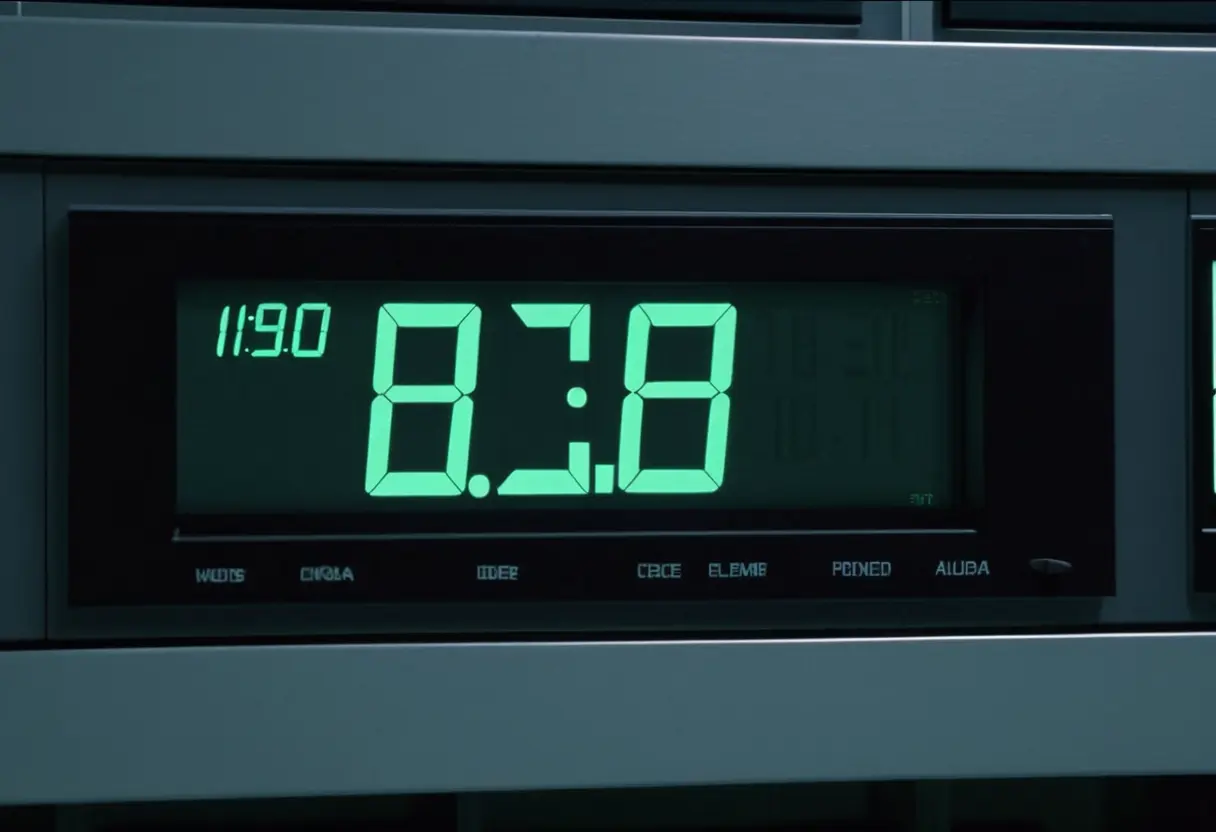
4. The Next Judgment: The Year 2038 Problem
The temporary patches applied for Y2K merely delayed the inevitable. Today, a more serious threat, the “Year 2038 Problem,” is quietly eroding the core of our IT society.
In systems that manage time using a “32-bit signed integer” (including many UNIX-based systems like Linux and older versions of Android), the number of seconds elapsed since 1970 will overflow in 2038, causing the system time to revert to 1901. Fixes are even more difficult here because the issue lies in the core “data type” of the operating systems themselves.
Reflection: The Fragility of Digital Life
The greatest legacy of the Y2K scare was making us realize that our entire society is built on a thin sheet of digital ice.
Our wealth, our history, and our connections are ultimately just clusters of “0s and 1s” in an electric signal. If the sun “sneezes” or a single line of code is contradictory, civilization can grind to a halt in an instant.
Rather than laughing off Y2K as a “failed prophecy,” we should celebrate the wisdom of those who survived the crisis and prepare for the next “Judgment Day.” It is our only defense in an age of digital dominance.
John Titor: The Mission to Avert Y2K : The legendary time traveler who claimed he came back to solve this very problem.
Solar Flares: The End of Electronic Civilization : A physical disruption that mirroring the digital systemic collapse.
Dead Internet Theory : The fear that the digital net we rely on has already changed into something else.