The Elisa Lam Case: 'Spread Madness' Left in an Elevator and Digital Onlookers
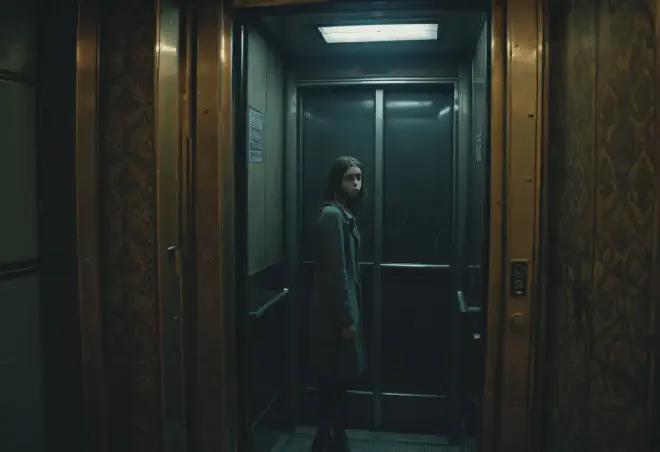
What catapulted this incident into a global “mystery phenomenon” was a single piece of security camera footage released by the police. The utterly inexplicable and spine-chillingly bizarre behavior Elisa exhibited inside the elevator. That footage spread like wildfire across YouTube, dominating people’s minds as a new ghost story of the digital age.
1. The “Unreal Minutes” Captured by the Elevator
The released footage, lasting about four minutes, recorded Elisa in a state that defies common sense.
Upon entering the elevator, she rapid-fires the buttons for every floor, but for some reason, the doors refuse to close. As if terrified of something, or perhaps peering at someone, she repeatedly steps out to check the hallway and then hides perfectly still against the elevator wall. Most unsettling of all, she performs strange, inhuman, fluid hand gestures toward the hallway—as if passionately explaining something to an invisible “someone.”
Eventually, she steps out of the elevator and vanishes into the darkness down the hall. Immediately afterward, as if a spell had been broken, the elevator doors slide quietly shut. This was the last time she was seen alive.
2. The Frenzy of the Internet Sleuths
This footage ignited the curiosity of “Internet Sleuths” worldwide.
Adding fuel to the fire was the fact that the Cecil Hotel was a heavily “stigmatized location”—it was once the regular lodging for serial killer Richard Ramirez (The Night Stalker) and had been the site of numerous suicides and unnatural deaths.
“She was possessed by a supernatural entity.” “The hotel staff is hiding something.” “She was used in a government drug experiment.” People consumed Elisa’s death as mystery entertainment, flocking to the scene and committing outrages such as accusing an innocent musician of murder and harassing him relentlessly on social media. The monster known as “conspiracy theory” overflowing on the internet had decorated a young woman’s lonely final moments into a glamorous, terrifying “narrative.”
3. The Sad Truth: The “Enemy” in the Mirror
However, the conclusion drawn by the autopsy report and a thorough police investigation was all too grounded in reality, and equally heartbreaking.
Elisa suffered from severe bipolar disorder , and at the time of the incident, she had not been taking her prescribed medication properly (or had deliberately stopped).
Her bizarre behavior in the elevator was not caused by ghosts or a murderer, but was the result of manic delusions and hallucinations (a psychotic episode) brought on by medication withdrawal.
Driven by a severe delusion that she was “being pursued by someone,” she sought a place to hide, eventually reaching the water tank on the roof. She climbed inside of her own volition and was unable to escape. The reason the elevator doors wouldn’t close was merely a simple physical phenomenon: she had pressed the “Door Hold” button.
4. Portrait of a Modern Ghost Story: Consumed Death
What is truly terrifying about the Elisa Lam case, more so than the circumstances of her death, is the spectacle of the digital onlookers who enjoyed her demise as “content.”
The delicate reality of mental illness was converted into an occult mystery within the sea of information, and the ego of people who, even after the truth was revealed, clung to the belief that “No, there must be something else hidden.”
What sank into the freezing water on the roof of the Cecil Hotel was a single, fragile soul, and perhaps the monster peering into it was “us” on the other side of the screen. Her tragedy is the most modern and ominous “ghost story,” reflecting the unconscious cruelty inherent in our internet society.