The Setagaya Family Murder: The Ominous Prelude to the 21st Century That Tore Through a Peaceful New Year's Eve
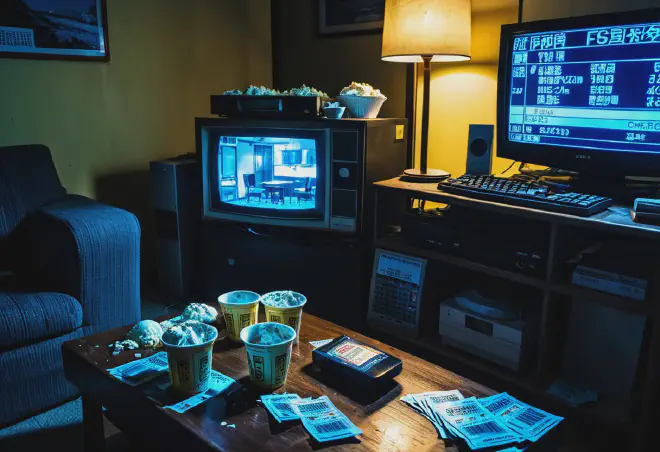
This “Setagaya Family Murder” continues to emanate an anomaly unparalleled even among unsolved cases, not just because of the gruesome state of the bodies, but due to the “bizarre, deranged behavior” the killer exhibited at the scene.
1. Coexisting with the Dead: The “Resident” of the Mansion
The most unfathomable aspect of this case is that after completing the murders, the killer did not suddenly flee. Instead, he stayed at the scene for anywhere from several hours to half a day. The killer’s actions were far from those of a cold, calculated murderer; rather, traces remained suggesting he was relaxing as if it were his own home. *Casual Dining : There is evidence he took barley tea from the refrigerator, ate melon, and consumed four cups of ice cream. He exhibited a peculiar habit of crushing the containers and eating directly without spoons. *Digital Obsession : He operated the victim’s computer, browsing the Shiki Theatre Company’s website and the Science and Technology Agency’s site. There were even traces of him attempting to create folders. *Traces of Life : He used the bathroom, and even defecated in the toilet, leaving without flushing. *Changing Clothes and Discarding Evidence : He took off the clothes, bag, and even the murder weapon (a kitchen knife) he had brought, changed into the victims’ clothing, and left the scene.
This abnormal psychology of “coexisting with corpses.” For the killer, perhaps the process of staining this house with blood was not the “goal,” but merely a ritual preceding his bizarre “daily life” thereafter.
2. Overflowing Physical Evidence and the Stagnant Investigation
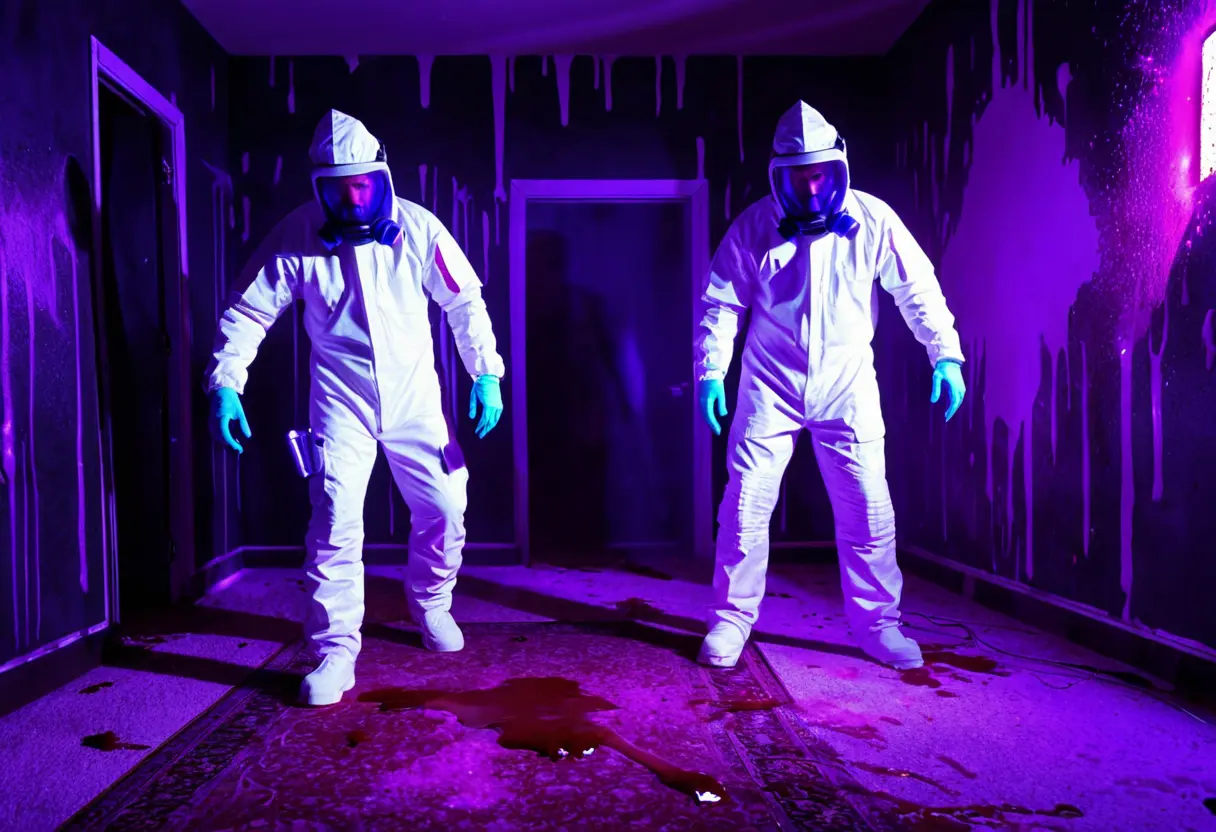
Physical evidence was left at the scene to such an extent that one could say there couldn’t possibly be any more. The killer’s blood, fingerprints, DNA, shoeprints, the sweatshirt he wore, a muffler, a hip bag, and the murder weapons. Furthermore, clues to the killer’s roots have been uncovered, such as special sand adhered to the soles of his shoes, and DNA analysis revealing a rare origin of “mixed Asian and Southern European heritage.”
However, even now, over two decades later, the killer has not been identified. His fingerprints match nothing in the massive database held by the Japanese police, nor can his trail be traced from public records such as domestic social insurance or driver’s licenses. What this suggests is the possibility that the killer is a “foreigner with no ties to Japanese society, or someone whose period of connection was extremely short,” or a “drifter without a family register.”
3. Beyond the Labyrinth: The Never-Ending New Year’s Eve
Due to a park expansion plan, the houses surrounding the Miyazawa residence had been vacated, leaving it isolated like a solitary island at the time of the incident. This indiscriminate malice seemed to target that very “blind spot.”
This incident completely shattered the safety myth of the “home as a sanctuary” that the 20th century had protected. The imagination that right at this moment, somewhere in the world, the killer might be breathing calmly and eating ice cream just like on that New Year’s Eve, is a reality more terrifying than any ghost story.
The Setagaya Family Murder. It is an unending record of tragedy, symbolizing the “bottomless darkness of the 21st century” that we must confront.