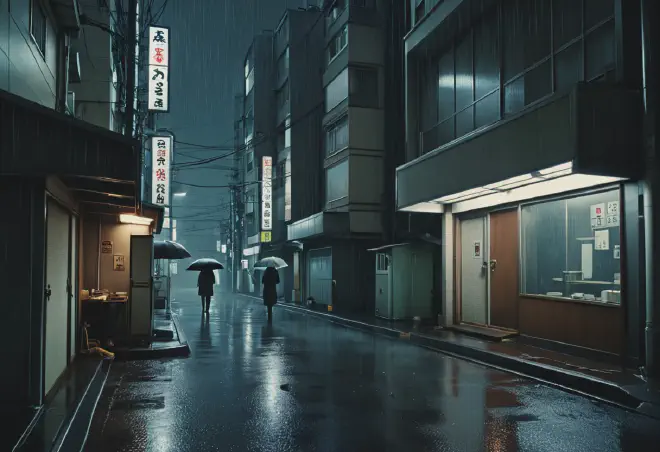
There exist incidents that shook the very foundation of the myth of Japan as a fundamentally “safe country”—incidents that remain sharply etched in the collective memory, and for which no “correct answer” or culprit was ever found.
They transcend mere records of “unsolved cold cases”; they serve as dark mirrors of their eras, ruthlessly exposing the hidden distortions of Japanese society at those times, the vulnerabilities of rapid economic growth, and the “blind spots” that neither the public nor the authorities noticed.
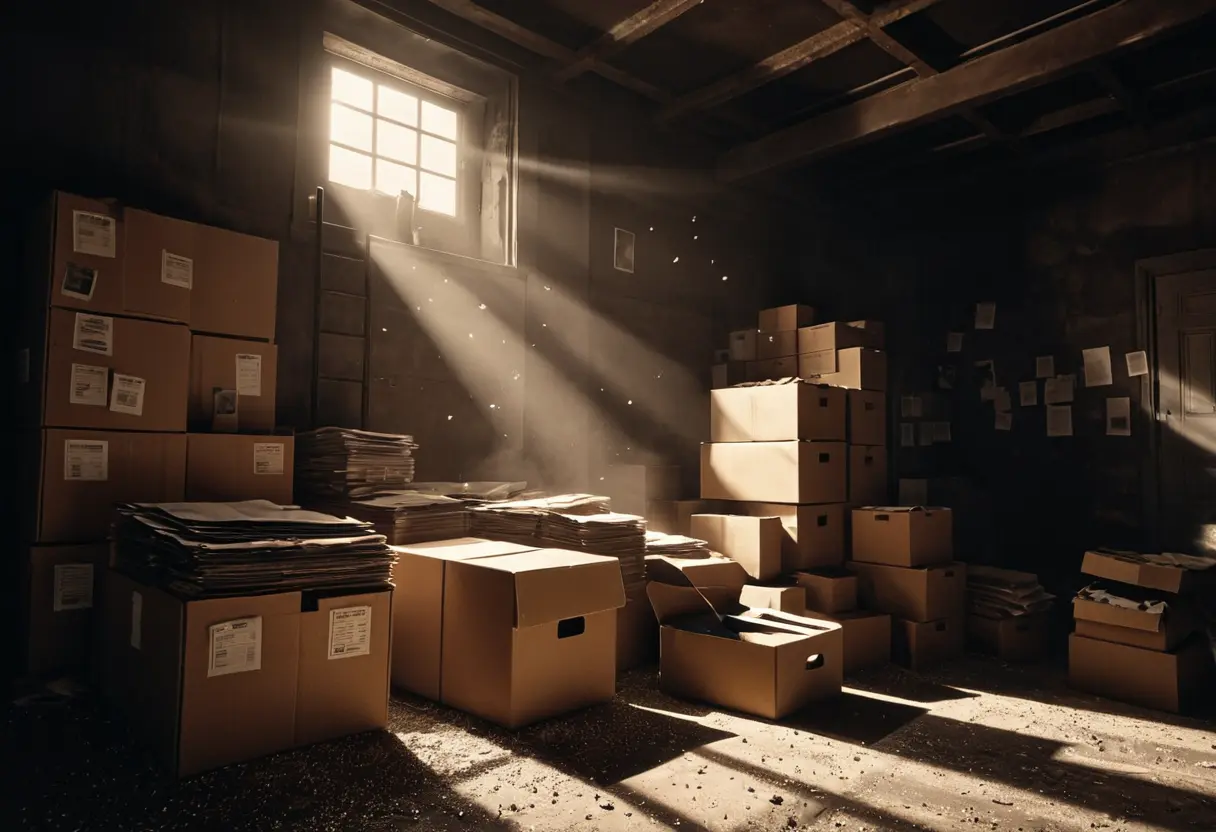
The “Japan Unsolved Cases” category unravels iconic, generation-defining mysteries from the post-war Showa era through the Heisei era—incidents that plunged the entire nation into a swirl of fear, paranoia, and obsessive curiosity.
A “Showa Myth” where a massive amount of cash was brazenly stolen without hurting anyone; a bizarre wave of “Corporate Terrorism” that took major food manufacturers hostage and turned the media into a twisted theatrical stage; and an “Abnormal and Cruel Massacre” thrust upon a quiet suburban neighborhood at the very dawn of the 21st century.
Each case harbors an overwhelming will of the “Individual” perpetrator, the desperate science of the massive police forces that sought to corner them, and the frustrating outline of a truth that ultimately dissolved into darkness due to the statute of limitations or a lack of definitive evidence. *The 300 Million Yen Robbery: The Showa Riddle : Fuchu, 1968. A brilliant, perfect heist performed using a fake police motorcycle in just three minutes. An illusion of the “criminal you can’t hate” born from a strictly non-violent crime, cementing it as the greatest romanticized mystery of post-war Japan. *The Glico-Morinaga Case: The Monster with 21 Faces : 1984, the day “peace of mind” vanished from Japan’s supermarket sweets. The unprecedented challenge from the theatrical “Monster with 21 Faces,” poisoned candy, and the haunting, unidentified composite sketch of the “Fox-Eyed Man.” *Setagaya Family Murder: The 21st Century Void : New Year’s Eve, 2000. A horrific home invasion leaving an entire family dead. Far too many bizarre clues left behind, a flawlessly clear DNA profile, yet the fact that no culprit can be found marks a fatal “void” in the security apparatus of 21st-century Japan.
To be “Unsolved” means that the culprit may still be breathing right next to us, living with a nonchalant face. As you turn the pages of these labyrinths, you will feel the cold breath of an unvanishing malice lingering within the mists of history.