The Fukuoka University Wandervogel Club Brown Bear Incident: The 'Obsession' Invited by Ignorance and the Tragedy in the Hidaka Mountains
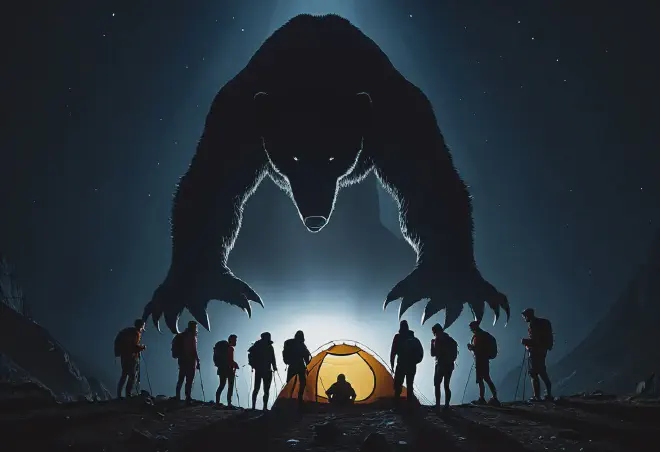
When humans step into the absolute domain known as nature, there is only one rule that exists: the “Law of the Wild.”
In July 1970, the “Fukuoka University Wandervogel Club Brown Bear Incident” occurred on Mt. Kamuiekuuchikaushi in the Hidaka Mountains of Hokkaido. It is an incident where young men, ignorant of that law, paid a bitter—no, an all-too-horrific—price.
The tragedy that claimed the lives of three promising university students was not a mere “unlucky accident.” It strongly possesses the aspect of a reportage where a decisive lack of knowledge regarding wild animals and the terrors of vast nature—where human common sense does not apply—intersected in the worst possible way.
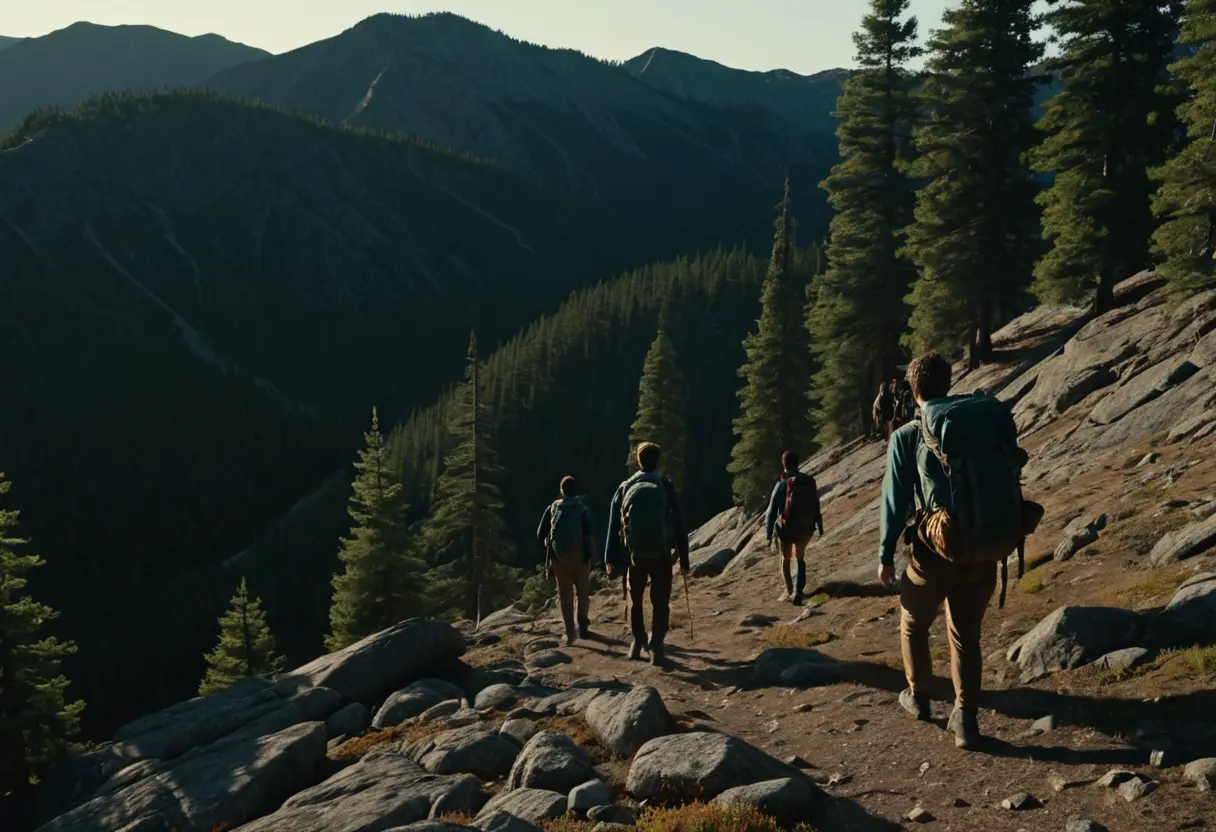
1. The First Encounter and the Fatal “Taking Back”
The catalyst for the incident occurred while five members traversing the mountain had set up their tent. A single brown bear approached them. During this first contact, the bear was rummaging through their belongings (backpacks).
With modern knowledge, the correct answer at this point is “abandon all belongings and quietly leave the area.” However, they felt reluctant to lose their backpacks containing food and vital equipment. They made noises to chase the bear away and retrieved their belongings.
That was the moment when every cog started to go mad.
Brown bears possess a habit of having “a strong obsession with prey (possessions) they have claimed as their own.” The exact moment they wrested the backpacks back, to the bear, those five ceased to be mere humans and were recognized as “hated thieves who robbed its prey.”
2. The Relentless Pursuit and Panic
By committing the taboo of “taking back,” the bear’s obsession with them deepened. Even when they pitched their tent again, even when night fell, the bear persistently appeared. The rough snorting echoing in the darkness, and the overwhelming mass threatening to crush the tent.
Driven by terror, they finally succumbed to panic and scattered, fleeing into the mountains. This, too, was the worst possible action, maximizing the instinct of carnivorous animals to “chase what turns its back and runs.” There is no way a human can outrun a brown bear sprinting through the mountains at nearly 50 kilometers per hour.
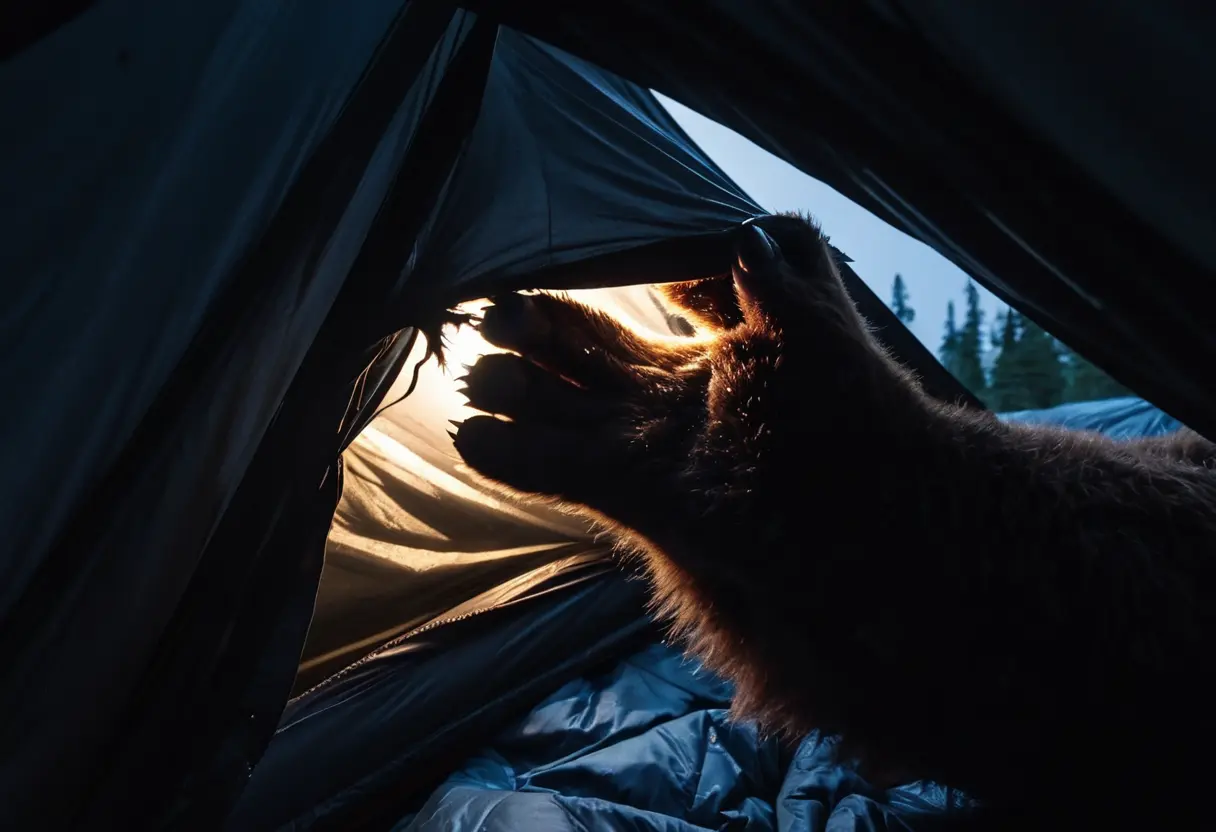
3. The Record of Despair Left in the Tent
Starting with the leader-like student, they fell prey to the bear’s venomous fangs one after another and were eaten alive. Among the belongings discovered later were vivid notes recording their terror in extreme conditions.
“I looked back, and the bear was there.”
“It’s no use… It’s going to kill me.”
If only they had known the rules of the wild during their first encounter, the situation might have been different. If they had given up the food and descended the mountain, or if they had slowly retreated without turning their backs. We in the modern age know these lessons, but for them at the time, it was a cruel truth they had to learn at the cost of their lives.
4. A Warning to the Modern Age: Ignorance is a Sin
This Fukuoka University Wandervogel Club incident sounds a powerful alarm that has not faded in the slightest, even in the modern era where campers and hikers are rapidly increasing.
In the natural world, the rules and common sense created by humans do not apply at all. Once you step into a bear’s habitat, understanding their habits and anticipating the worst-case scenario is not “manners”; it is a “prerequisite for survival.”
In the natural world, “ignorance” is the heaviest sin, an act that sometimes results in the equivalent of a death sentence.