Shakoki-Dogu: The Jomon Astronaut
1. The Spacesuit Theory: The Soviet Analysis
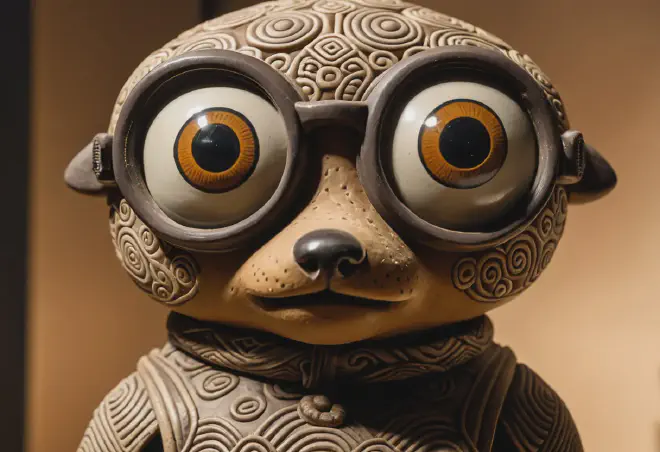
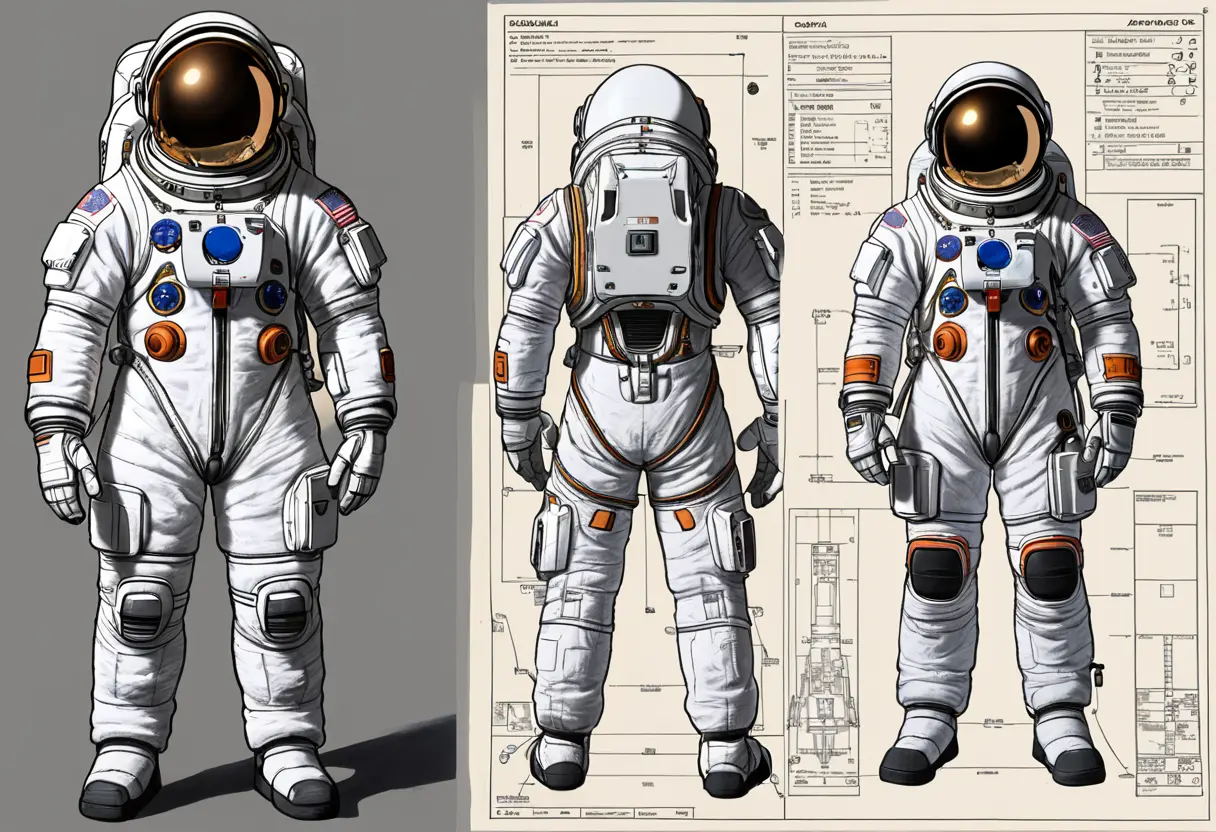
In the 1960s, Soviet scientists like Alexander Kazantsev analyzed the Shakoki-Dogu with a focus on engineering rather than just art history. *Airtight Suits : They argued that the “bulges” at the joints were not artistic flourishes, but bellows-like structures designed for pressurized movement—exactly like modern spacesuits. *The Visors : The massive eyes were interpreted as “Goggle-Visors” designed to protect the wearer from external radiation or blinding light during landing.
2. The Traditional View: Earth Mothers and Sacrifices
Mainstream archaeology interprets the Dogu through the lens of Jomon spiritual life. *Fertility Goddess : Most figurines appear to represent the female form, suggesting they were “Earth Mothers” used in rituals for childbirth and agricultural abundance. *The Ritual Sacrifice : Many Dogu are found with broken arms or legs, leading to the theory that they were “Effigies” (Hitogata). Sickness or injury would be transferred to the clay doll, which was then broken and buried to carry the misfortune away.
3. Contact Beyond the Grave: Why This Shape?
Even if the purpose was ritualistic, the question remains: why did the Jomon people choose this specific, mechanical form for their gods? *The Radiant Suited Figures : The Jomon were masters of realistic clay work. If they wanted to make a human, they could. The fact they chose a form dominated by “goggles” and “plates” suggests they were recording something they had actually seen—beings in shining, armor-like suits. *The “Eyes” of the Gods : The name “Shakoki” comes from the Inuit snow goggles they resemble. However, the Jomon did not live in a sub-arctic environment that required such intense eye protection. The “eyes” may instead represent the blinding light or the glass lenses of an alien visitor.
4. The Star-Memory in the Soil
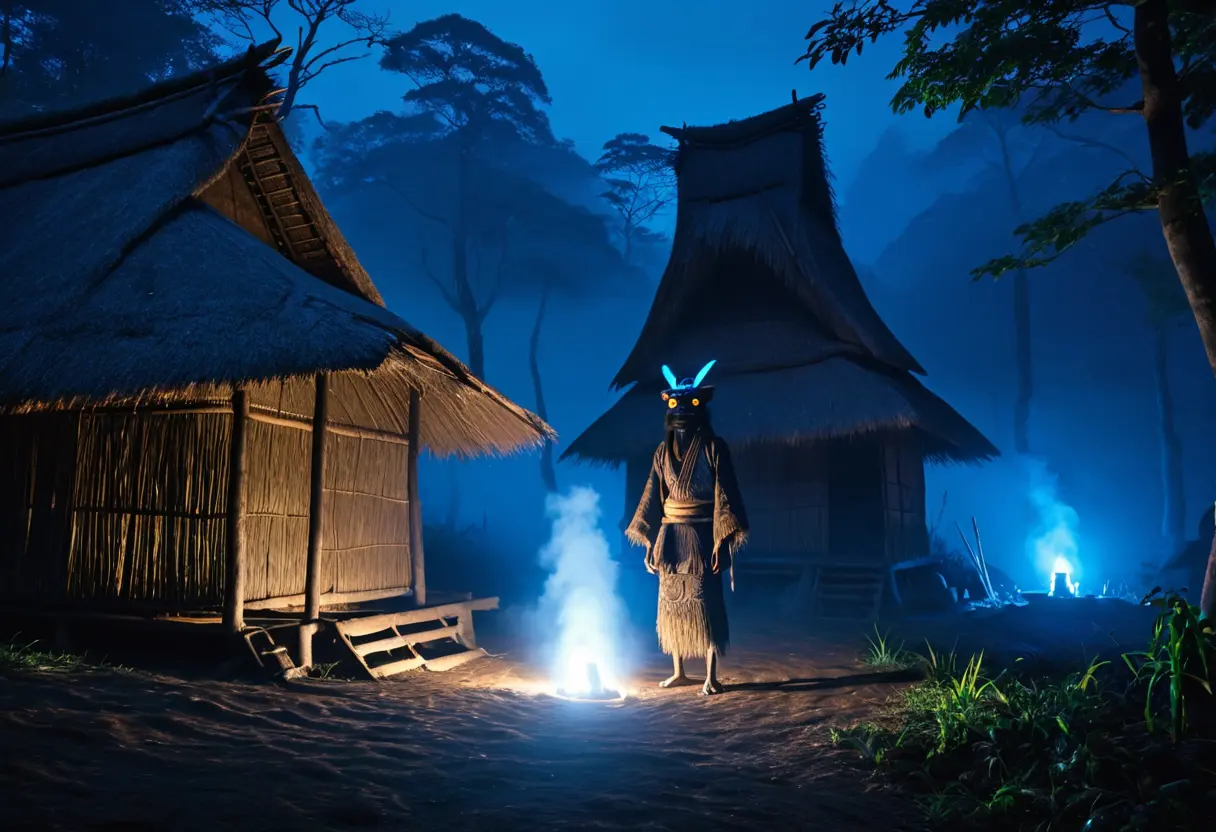
Today, the Shakoki-Dogu is a beloved cultural icon, but its origin may lie in a grand “Missing Record” of human history. The geometric patterns we see today may be a code, a message left for us to recognize when we finally rejoin the “People of the Sky.” These hollow clay figures are the last witnesses to an era when the gods walked among us, breathing our air through the filters of their suits.