Nazca Lines: The Beacons of the Desert
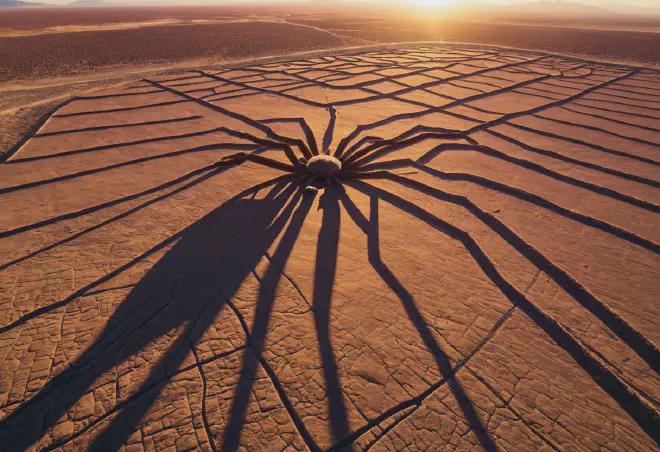
1. The Runways of the Star-Gods: The Von Däniken Challenge
In the 1960s, researcher Erich von Däniken proposed a hypothesis in Chariots of the Gods that shocked the world. *Extraterrestrial Airfields : He argued that the long, flat geometric shapes were markers or landing strips for spacecraft. *The “Astronaut” : One of the most famous geoglyphs, a human-like figure with one hand raised, appears to have a helmeted head and large, non-human eyes. Von Däniken saw this as a literal portrait of a visitor from the stars.
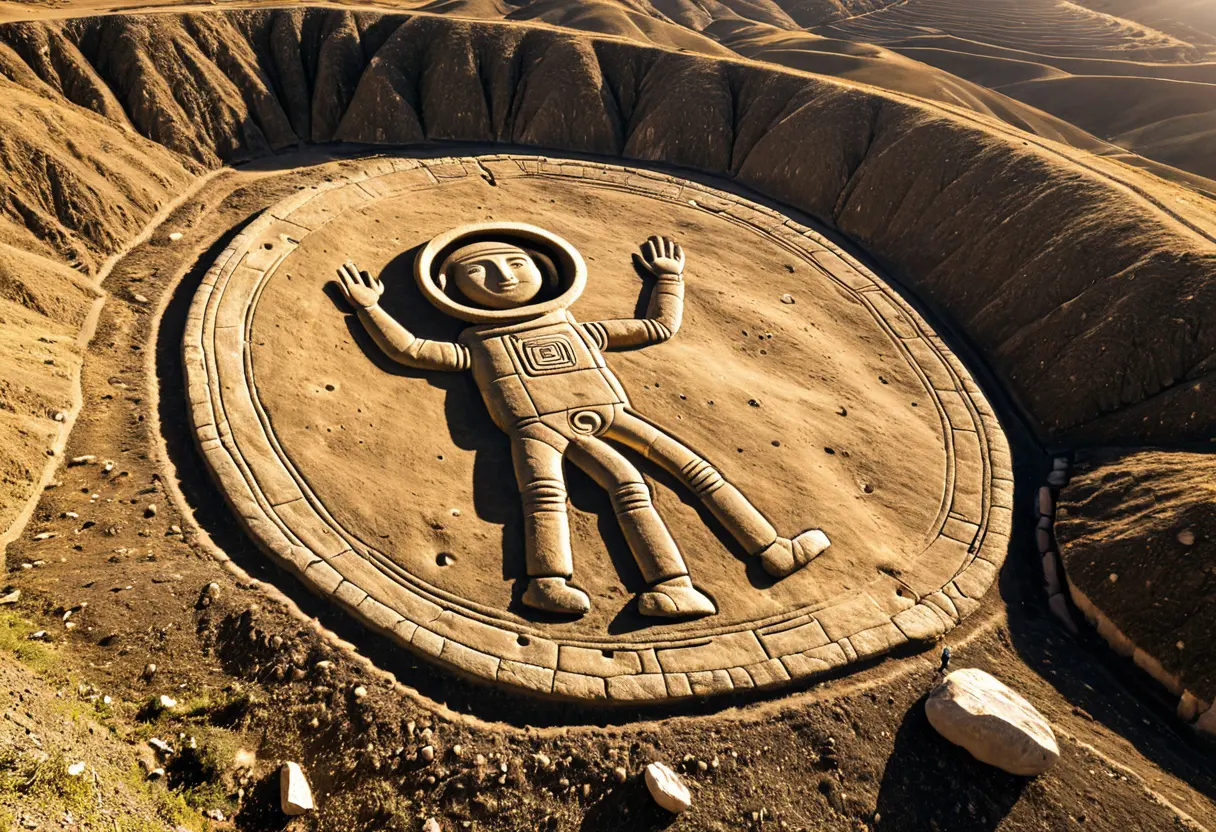
2. The Ritual Path: Shamanism and the Sacred Water
Mainstream archaeology offers a more terrestrial, yet deeply spiritual, explanation. *Water Beacons : Water was the lifeblood of the Nazca people. Some lines are thought to map underground aquifers, while the figures were sites for rituals to honor water deities. *Pilgrimage Routes : Footprints found along the lines suggest that the geoglyphs were “ceremonial paths” where people walked in single-file processions to offer prayers.
3. The AI Revolution: New Anomalies
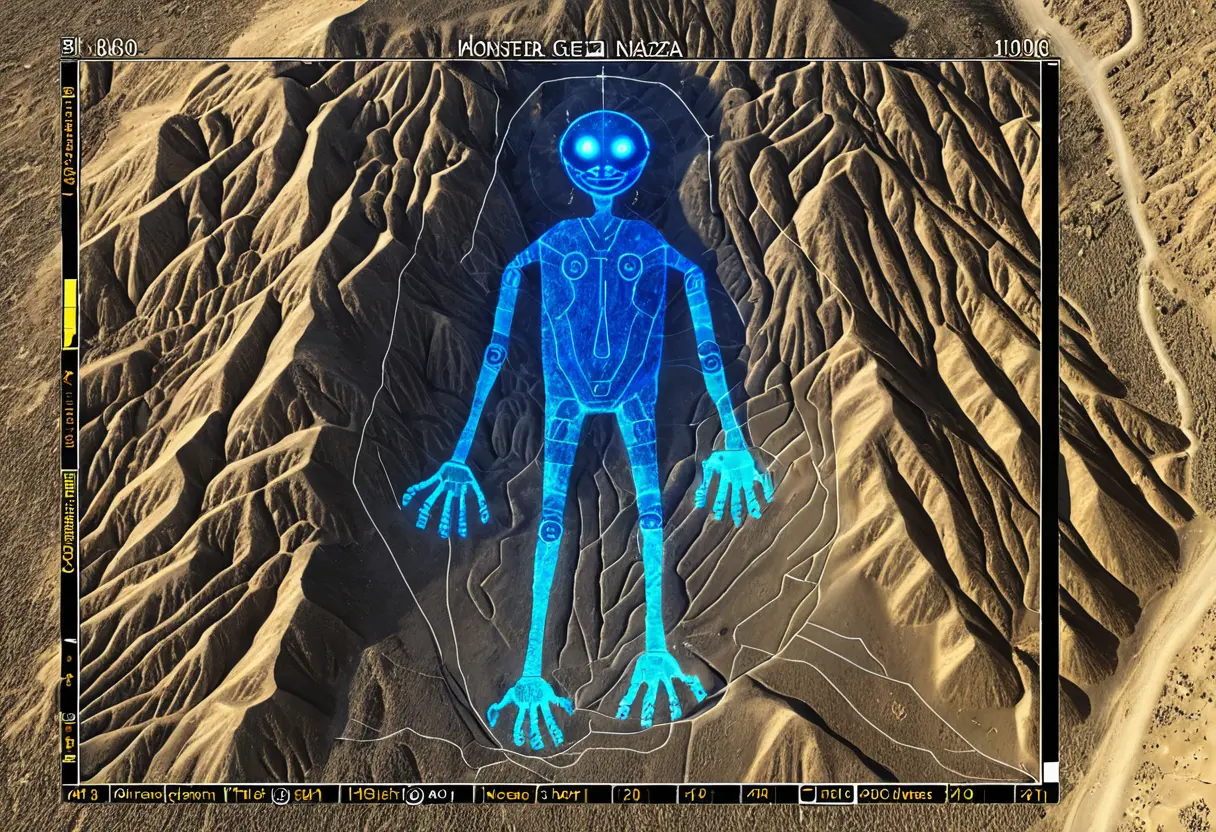
In the 21st century, technology has opened a new chapter in the Nazca mystery. *AI Discovery : Researchers from Yamagata University, using IBM’s AI technology, have discovered hundreds of new, smaller geoglyphs previously invisible to the naked eye. *The Bizarre Bestiary : These new images include strange humanoid figures, multi-legged creatures, and “monsters” that look strikingly like modern depictions of aliens or biological anomalies, further fueling the “other-worldly” connection.
4. Truth Written in the Dust
The Nazca Lines are more than “old drawings.” They are the physical record of humanity’s obsession with the sky. Whether they were runways for physical ships or symbols to catch the eye of spiritual gods, they prove that the ancient people lived their lives with their eyes turned upward.
When you walk among the lines, you are breathing the air of an era when the sky was filled with meaning—and perhaps, filled with “Others” who were watching the desert floor as carefully as we do today.