The Anunnaki: Architects of Humanity
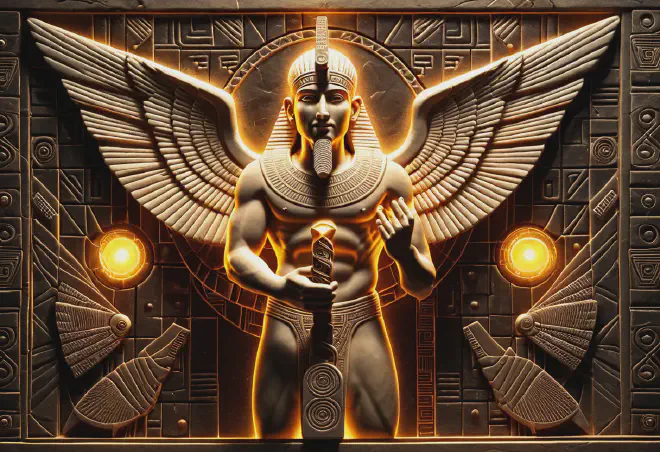
1. The Visitors from Nibiru: Celestial Miners
The Shocking hypothesis popularized by Zecharia Sitchin suggests that the Anunnaki originated from the 10th (or 12th) planet in our solar system: Nibiru . *Atmospheric Collapse : Nibiru’s atmosphere was failing, and they required fine particles of gold to repair it. *Colonization of Earth : Approximately 450,000 years ago, they landed on Earth to mine for gold, specifically in Southern Africa, establishing a base in “Apsu.”
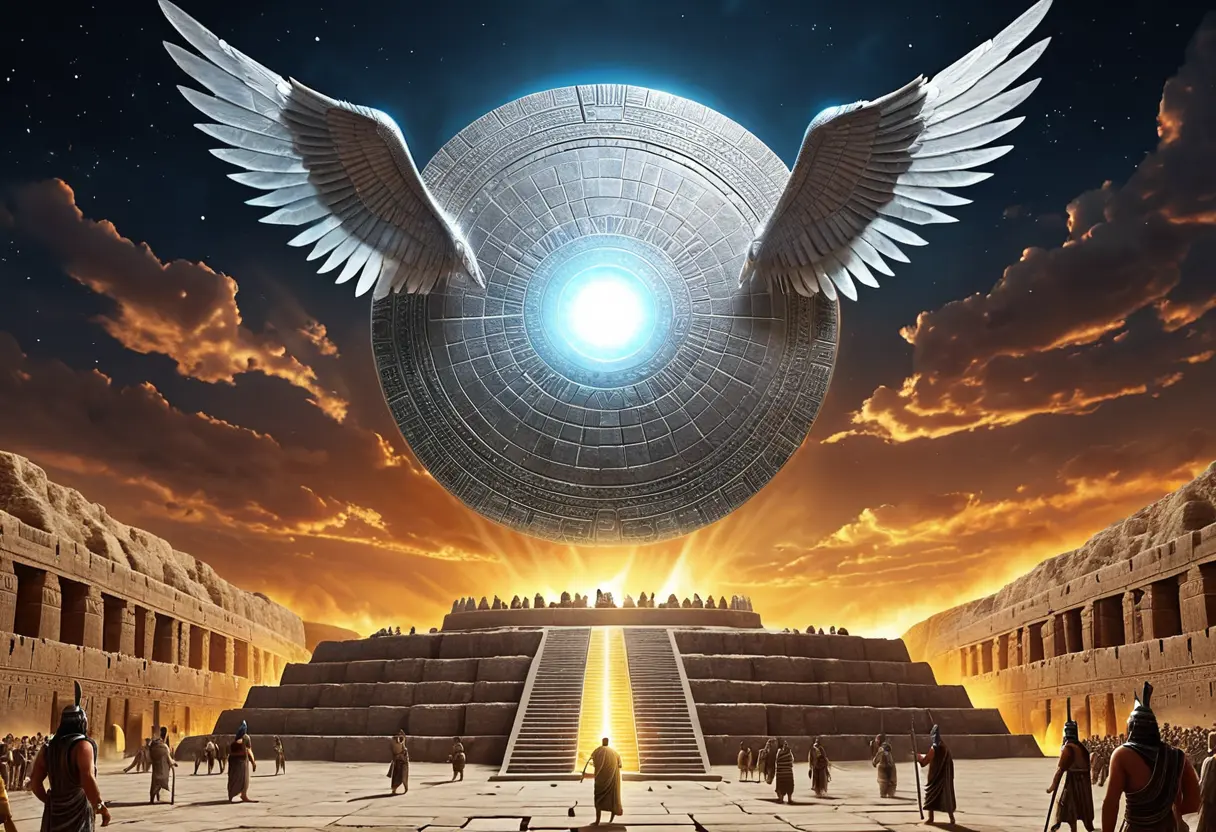
2. The Creation of Man: The Genetic Hybrid
The younger generation of Anunnaki workers (the Igigi) eventually revolted against the harsh mining labor. *The Need for Labor : To replace the workers, the scientist Enki proposed a daring plan: to imbue the primitive Homo erectus already on Earth with Anunnaki “Essence” (DNA). *The Laboratory Adam : Sitchin argued that the myth of creating man from “clay” was a metaphor for creating a hybrid—Homo sapiens—in a laboratory. We were designed as a workforce to carry out the will of the “Gods.”
3. The Gift of Kingship and Civilization
The Anunnaki provided humans with agriculture, writing, and social structures to manage the world on their behalf. *The Descent of Kingdoms : The Sumerian King List states that “Kingship descended from heaven.” This may record the appointment of half-human, half-alien hybrids as rulers. *The Departure : After the “Great Flood,” the Anunnaki reportedly withdrew from Earth, leaving behind the megalithic structures of Egypt and Mesoamerica as silent witnesses to their power.
4. The Legacy: Are We the Product of a Plan?
Mainstream archaeology rejects Sitchin’s work as a series of mistranslations and creative writing. However, the bizarrely rapid evolution of humanity (the “Missing Link”) and the sudden sophistication of Sumer remain a focal point for this theory.
Are the “Gods” we pray to simply the scientists who designed us? Is our DNA a blueprint for a galactic labor force? The story of the Anunnaki of one of the most unsettling—and potentially true—explaintions for who we are.