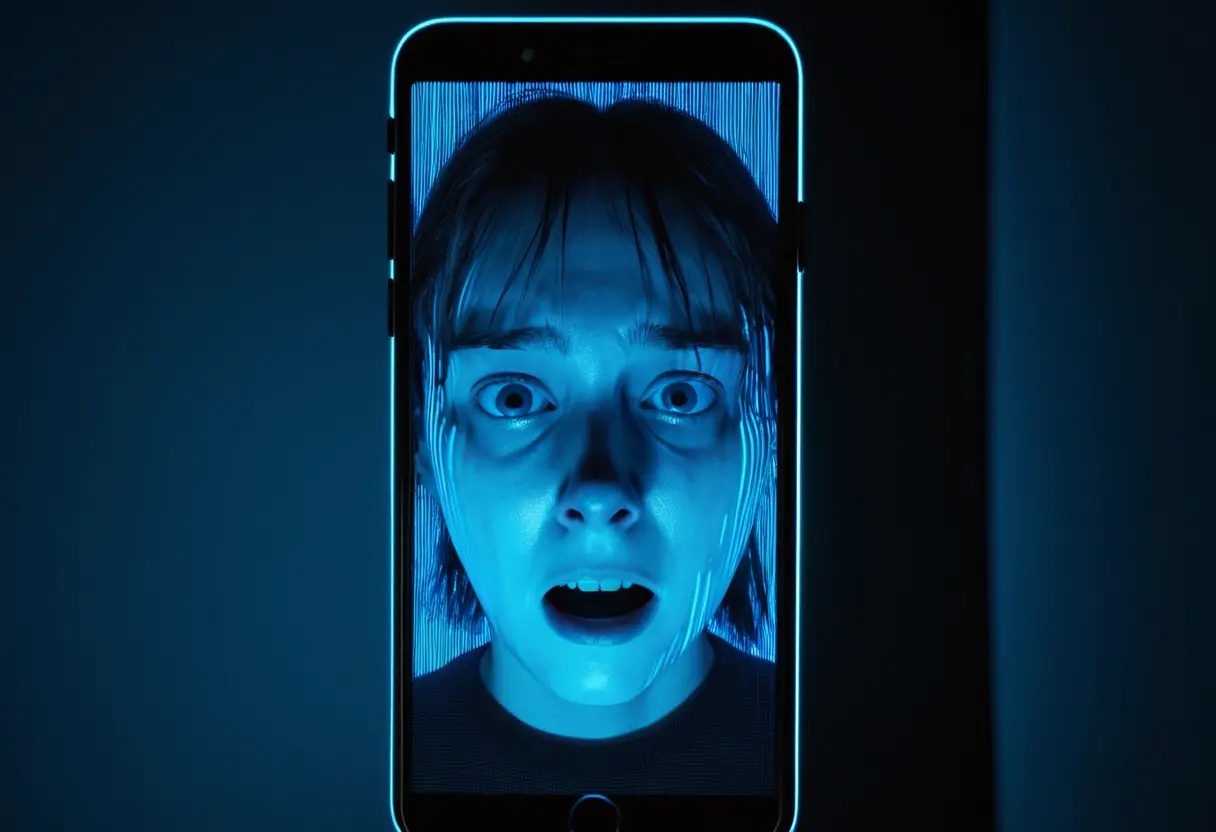
Scary stories used to be told around campfires in the dead of summer. Today, however, the darkness has migrated into the “Glistening Rectangle” we carry in our pockets. The internet hasn’t erased our fears; it has given them a high-speed fiber-optic network to propagate.
This section is an archive of the deep subconscious of modern Japan—categorized into three distinct layers of terror born from the depths of message boards and the social web.
1. The Three Realms of Modern Horror
Our collection is organized by how the “Infection” occurs. Explore each hub to understand the specific mechanics of these digital nightmares.
Legends like Kisaragi StationorKotoribako. These are stories defined by “Real-time Interactions” and “Digital Pandemics.” Here, simply “Looking” at the screen can be enough to trigger a curse.
The legacy ghosts like Mary-san’s Phone Callor theSeven Mysteries of the School. These stories rely on the “Resonance of the Voice”—the primal fear that shared stories can eventually “Incarnate” into reality.
Incursions based on strict “Protocols” and “Survival Manuals.” This genre explores the cold, bureaucratic horror of the modern workplace and the “Specifications of the Abnormal.”
2. Anatomy of the Digital Ghost
What makes a story “Truly Scary” in the 21st century? We identify four core elements that define modern Japanese horror:
| Element | Description |
| :— | :— |
| Live Immediacy | The feeling that the event is happening now, to the person posting the story. |
| Interactivity | Stories where the audience’s replies or choices influence the outcome of the haunting. |
| Information Viral | Theories where the “Data” itself acts as a virus, spreading through clicks and views. |
| Logical Traps | “Riddle Stories” where the terror is only completed once the reader’s brain “Understands” the logic. |
Conclusion: The Act of Viewing
Reading these archives is not merely entertainment. Every time you read a line, the data of these entities is loaded into the “Memory” of your consciousness. In the digital age, everyone is a potential carrier of the signal.
If you feel a gaze from behind you as you close this tab, remember: the display is not a wall. It is a mirror—and sometimes, things on the other side are looking back.
Navigation *Top Rated Stories : The episodes that caused the most “System Crashes” for our readers. *Etiquette of the Occult : Unspoken rules to follow when sharing these stories. *Digital Folklore Studies : A scholarly dive into why we haunt the web.
