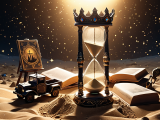
The phenomenon of “Isekai Reincarnation” was not born suddenly from a vacuum. It is an “Evolutionary Tree of the Psyche” that has accumulated and been refined over decades within the vast soil of Japanese subculture, showing explosive growth by resonating with modern social conditions.
1. From Summoning to Reincarnation: The Mutation of Agency
In the early days of the genre, “Summoning” was the mainstream. It retained the structure of the classic “Kishu Ryuritan” (noble hero’s journey), where the protagonist is summoned as a chosen hero to save the other world and eventually return home. However, through the 2000s, the focus shifted to “Reincarnation.” This was a manifestation of the despair of “having no place to return to” and the earnest desire for a “Rebirth”—a reset and restart of life as a new self.
2. Acceptance of the System: Templatization of the Narrative
With works like Sword Art OnlineandLog Horizon, the “Otherworld” was redefined as a space governed by “Game Logic” (Levels, Skills, Stats). This allowed readers to skip cumbersome explanations of world-building and directly access the addictive pleasure of the protagonist’s “efficient growth and omnipotence.”
3. Analysis: A Mirror for the Era
The history of Isekai is simultaneously the history of “what the Japanese have given up on and what they have desperately sought.”
The exhilaration of adventure found in earlier works has mutated into modern trends like “Slow Life” or “Revenge” against those who treated the protagonist unfairly (Zamaa). By tracing these strata of history, we find the transformations of our own hearts reflected beyond the screens of our smartphones and televisions.
Historical Records
A chronological exploration of the key works that defined the Isekai genre across the decades.