Isekai: A Wishing Machine for Soul Salvation born from Modern Japan

Today, this word has transcended being a mere subgenre of fantasy to become a global common language (even included in the Oxford English Dictionary) representing a “Form of Salvation” in modern society. To be hit by a truck, guided by a goddess, and to enjoy a second life—this standardized narrative structure is a poignant response to the “irreversible reality” faced by modern people.
1. Departure from High Fantasy: The Absence of a Home Base
The decisive boundary separating modern “Isekai” from classic high fantasies like The Lord of the RingsorA Wizard of Earthsea lies in the “Attributes” of the protagonist. *Rejection of Growth and Superiority : While traditional adventurers are forced to “grow” as inhabitants of their world, an Isekai protagonist arrives with the knowledge, logic, and absolute “Cheat Skills” of modern Japan. They don’t become part of the other world; they are privileged “Tourists” (observers) who “conquer and consume” it. *Redefining Reality : Success in an Isekai is often depicted as the “re-evaluation of values discarded in reality.” A person deemed incompetent in the original world becomes a saint simply by changing locations. This functions as a powerful antidepressant for a society exhausted by meritocracy.
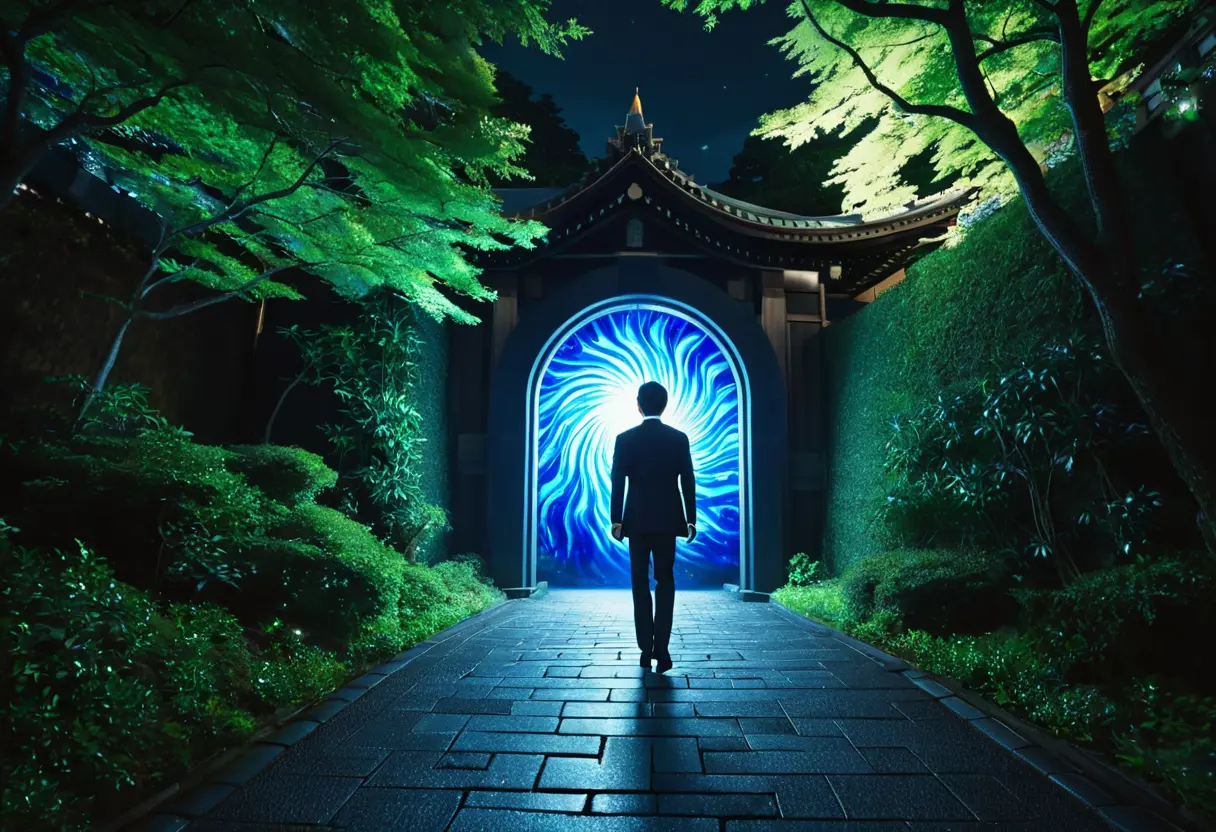
2. The Mutated “Kamigakushi”: Despair through the Rejection of Return
Japan has a long tradition of “Kamigakushi” (spirited away) stories, such as Urashima TaroorSpirited Away, where humans wander into otherworldly realms. However, in those classic stories, the otherworld was a “place of fear and awe,” and the protagonist’s ultimate goal was always to return to the mundane. In modern Isekai, returning to the original world is no longer salvation. Exhausting labor, stripped self-esteem, and stagnant relationships—the reader (and the player) accepts death not as an “end,” but as the “only ticket” to reset a malfunctioning game (reality). Isekai is a permanent place of exile created by those who have lost their home to return to.
3. Analysis: Aspirin for the Desire for Recognition
“I want to skip the process of effort and simply enjoy the results.”
“I want to bypass tedious negotiations with others and be overwhelmingly recognized.”
The Isekai genre satisfies these modern mental fatigues through highly efficient modules like “Cheat Skills” and “Harems.” This shouldn’t be dismissed as mere “escapism.” It is a survival interface we have self-defensively constructed within our minds to endure a reality filled with bugs. What the mirror of “Isekai” reflects is not swords or magic, but our raw loneliness and the plea to “Please, look at me.”
*Shousetsuka ni Narou: The Well of Digital Desires : The platform that grew the Isekai genre. *Truck-kun: The Reaper Delivering Sacrifices : Investigating the most sinister and merciful guide. *Cheat Skills: The Mental Barrier of Omnipotence : The tool for rewriting the rules of the world.