The Exorcist: The Eternal Conflict between Faith and the Unspeakable

In 1973, The Exorcist did more than scare audiences; it caused a collective social tremor. This was not a “monster movie” in the traditional sense, but a clinical, documentarian-style report on the slow-motion destruction of an American family by an ancient, prehistoric malice.
Under William Friedkin’s direction, the film removed the safety net of fiction, forcing the viewer to confront the possibility that the “Abyss” is not in a distant castle, but in the bedroom of a innocent child.
1. The Clinical Approach: The Horror of the Real
Friedkin, coming from a documentary background, treated the film’s supernatural elements with a cold, medical detachment. *The Failure of Science : Before the priests arrive, Regan MacNeil is subjected to a battery of painful, invasive medical tests. The mechanical, sterile environment of the hospital proves powerless against the irrationality of the spirit. This “Failure of the Modern World” is the foundation of the film’s terror. *The Sound of the Abyss : The utilization of layered, discordant sounds—pigs squealing, bees buzzing, and human screams—creates a sonic environment of constant agitation. The demon Pazuzu does not just possess a body; it possesses the very air of the house.
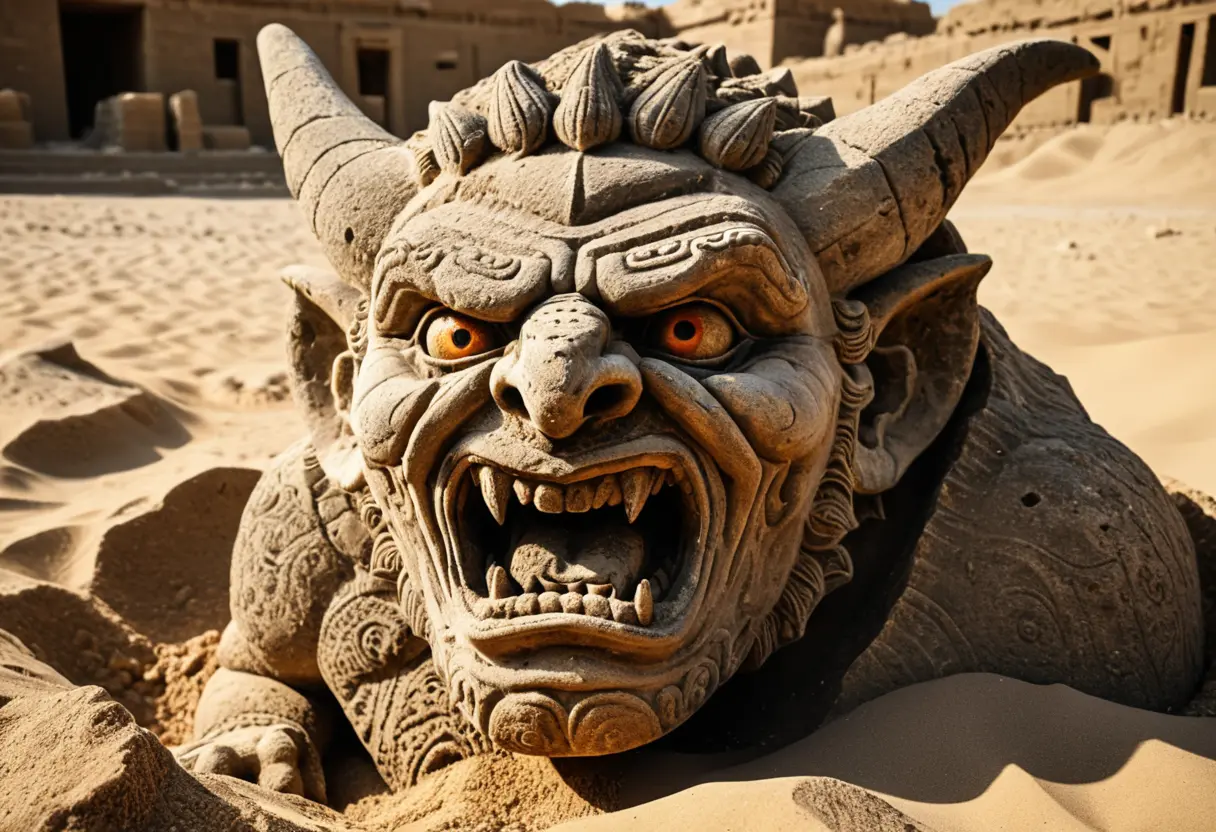
2. The Desecration of Innocence: Regan MacNeil
The core of the film’s visceral impact is the transformation of 12-year-old Regan into a grotesque conduit for the profane. *Biological Violation : The demon’s assault is profoundly physical, involving levitation, skin lesions, and the emission of foul fluids. It is a violent deconstruction of the “Pure Child” archetype, replacing it with a puppet of ancient obscenity. *Personalized Malice : Pazuzu does not merely snarl; it attacks the psychological weaknesses of those around it. By mimicking the voices of the dead and uncovering secret shames, the entity proves that its greatest weapon is not its strength, but its intimacy with human sin.
3. The Theological War: Karras and Merrin
The climax of the film is not a battle of muscles, but a collision of Faith against Nihilism . *The Crisis of Father Karras : A priest and a psychiatrist who has lost his faith in God. Karras represents the modern man, caught between logic and the undeniable presence of evil. His sacrifice is the ultimate act of reclaiming the sacred through the profane. *The Pillar of Father Merrin : An archaeologist-priest who understands that this is an ancient war that began long before Georgetown was built. His arrival brings a sense of grand, cosmic gravity to the bedroom, transforming it into a cathedral of the damned.
The Exorcist remains the gold standard of occult horror because it treats its subject matter with absolute, terrifying sincerity. It suggests that even in a world of electricity and skyscrapers, something older and viler is always waiting for an invitation to enter.
*Pazuzu: The King of the Wind Demons : Investigating the historical and mythological roots of the film’s antagonist. *The Rite of Exorcism: History and Reality : Behind the shadows of the Vatican’s most secretive ritual. *The Georgetown Incident: The Real Story : The 1949 case that inspired William Peter Blatty’s novel.