Dark Water: The Melancholy of Stagnant Solitude and Motherhood

Released in 2002, Honogurai Mizu no Soko kara (Dark Water) is a rare horror film where “melancholy” outweighs sheer terror. It is not a story of loud, supernatural occurrences, but a tragedy of how the intimate bond between a mother and daughter is slowly eroded and subsumed by a rising tide of isolation.
In this archive, water is the silent medium—the source of life that has turned into a corrosive force of hidden despair.
1. The Setting: The Apartment as a Forgotten Ark
The film takes place in an aging, damp apartment complex where even the elevator feels like an ancient, unreliable heart. *Isolated Parents : Yoshimi, a mother in the midst of a divorce, and her young daughter, Ikuko, seek refuge in this building. But their new home is a site of “Living Decay”—a place defined by the sound of leaking pipes and the presence of an ominous, monolithic water tank on the roof. *The Fraying of the Everyday : A stain on the ceiling that won’t stop growing. A clogged drain. A child’s red bag that keeps returning even after being thrown away. These minor domestic irritations act as a slow-acting poison, creeping into the viewer’s subconscious and signaling an irreversible shift in reality.
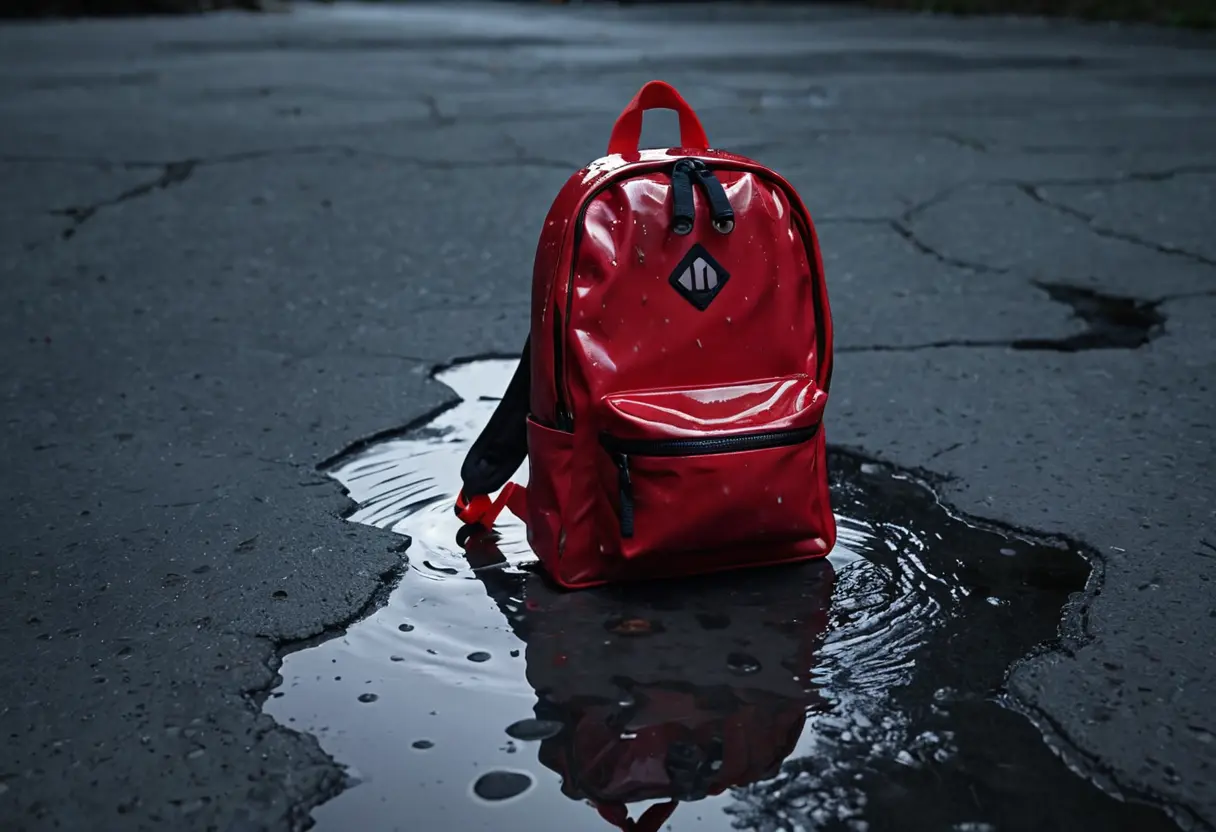
2. The Symbolism of Water: Attachment and Obsession
In Dark Water, water represents the “Solitude” of Mitsuko—the girl who vanished years ago. *Mitsuko’s Hunger : Having fallen into the rooftop water tank and died alone at the “Bottom of the Water,” Mitsuko seeks something more potent than revenge. She seeks a mother. This pure, desperate craving acts as a magnetic force, pulling Yoshimi toward a lethal destiny. *The Ultimate Maternal Choice : In the film’s climax, within the deluge of a flooding elevator, Yoshimi makes a decision that transcends the horror genre. To save her own child, she chooses to become a resident of the “Bottom” herself. It is an act of absolute love, but also an entry into eternal isolation.
3. Atmospheric Terror: Like Unending Rain
The reason Dark Water remains a beloved masterpiece of J-Horror is its pervasive “Damp Tone.”
The humidity seems to drip from the screen, leaving a sediment of quiet anxiety in the viewer’s heart. After watching, the simple sound of water dripping from a ceiling or a faucet is no longer a maintenance issue; it becomes the sound of someone calling your name from a dark, forgotten place. This “Sensory Sharing” is the hallmark of the gold standard of J-Horror.
*The Spirits of the Abyss : Investigating the legends of things that dwell in the deep. *Vanished Children and Hidden Truths : Real-world inspirations for the lost girl of the apartment. *The Golden Age of J-Horror : A history of the movement that conquered the world with quiet dread.