“This footage was discovered by accident…” This single sentence marks the beginning of many Found Footage (POV) horrors. It is more than a stylistic choice; it is a violent destruction of the “Fourth Wall” in cinema.
By stripping away professional lighting and steady camera work, the genre transforms the viewer from a safe, detached “observer” into the “sole witness”—or perhaps the “unwilling accomplice”—to a tragedy.
The Fiction of Reality
The allure of this genre lies in its total erasure of cinematic artifice. *Raw Immediacy : Shaky movements, missed focus, and digital noise at night. These “visual glitches,” which are normally rejected by the film industry, deceive the human brain into accepting the image as a record of a real event. *The Guilt of Voyeurism : We watch from a position of safety as someone experiences their most vulnerable, final moments through a lens. This grotesque, parasitic relationship between the viewer and the recorded victim is the dark engine behind the genre’s visceral power.
The Invisible Foe and Self-Actualized Terors
In the world of Found Footage, the “Monster” rarely takes center stage. Beyond the narrow, flickering beam of the camera’s flashlight lies an infinite, predatory darkness.
The horror is built from fragments: a shadow passing the edge of the frame, an unintelligible whisper on a voice recorder, a sudden silence where there should be sound. By denying the viewer a clear look at the threat, the film forces the mind to fill the void with its own deepest fears. Once you look through the lens, the door back to reality is often impossible to find.
Featured Archives
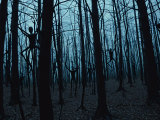
The blueprint for the genre. Investigating how a fabricated legend and a low-budget recording convinced the world that the woods of Maryland were truly haunted.
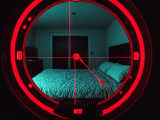
A clinical study in domestic terror. When the most private of sanctuaries—the bedroom—becomes a stage for an invisible, possessing entity.