Jaws: The Primeval Threat Rising from the Abyss

In 1975, a 27-year-old Steven Spielberg unleashed a cinematic force that transcended the boundaries of the “creature feature.” Jawsdid more than scare audiences; it awakened a primal, genetic memory of the “Terror Beneath the Surface.” It was a cold, violent declaration that beneath the thin ice of our peaceful, modern existence (Amity Island) lies an indifferent and unstoppable force of nature.
1. The Cinema of Absence: Perfection through Malfunction
Ironically,Jaws became one of the greatest horror films in history due to a series of mechanical failures. The animatronic shark, nicknamed “Bruce,” constantly broke down in the saltwater environment.
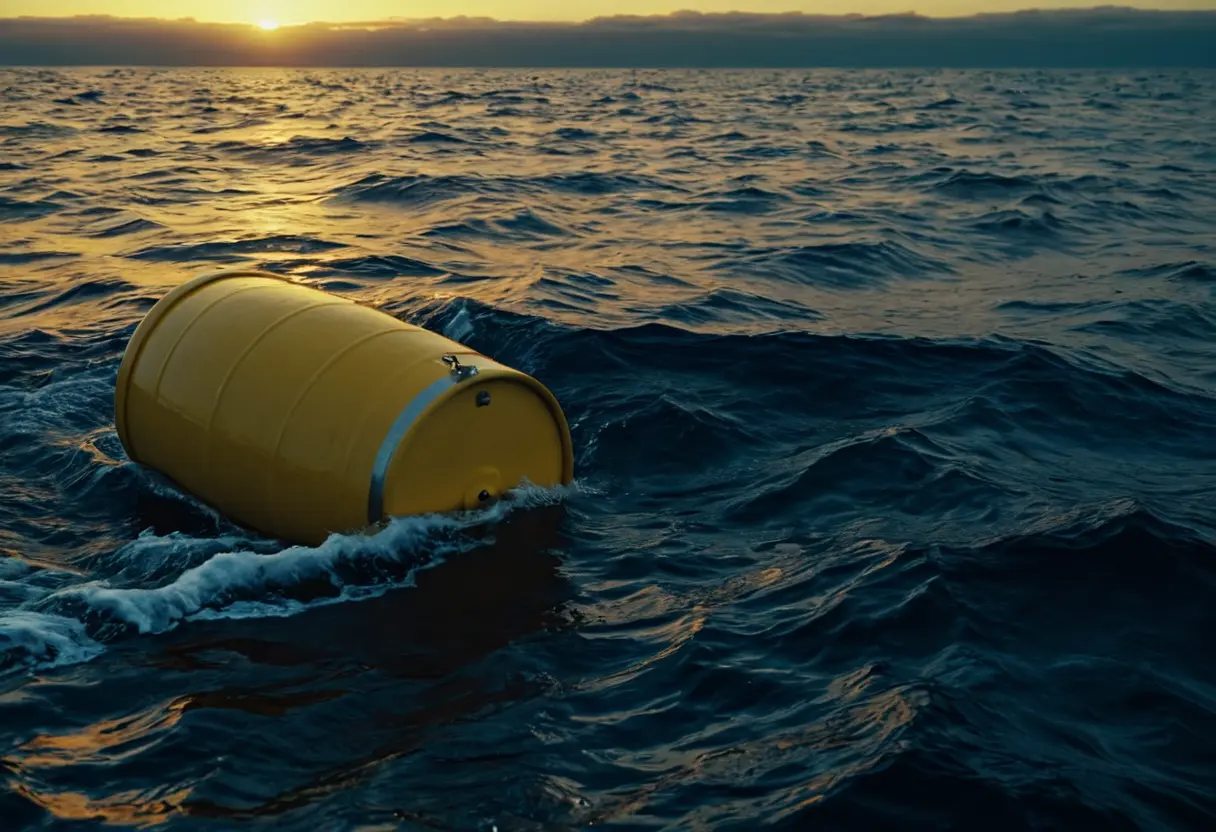
Facing the prospect of a monster that could not be shown, Spielberg turned desperation into genius. He realized that the fear of the unseen is far more potent than the fear of the revealed. *Projection of Horror : By using yellow barrels racing across the water, splintering docks, and John Williams’ ominous, heartbeat-like score, the audience was forced to construct the monster within their own minds. The imagined shark became larger and more terrifying than any prop could ever be. *The Predator’s Point of View : Cinematographer Bill Butler’s low-angle shots looking up from beneath the swimmers placed the audience in the “Position of the Prey.” It masterfully established the water’s surface as a threshold between the world of men and an alien, hostile dimension.
2. The Stagnation of Amity: A Portrait of Human Frailty
The true horror of Jaws is not the shark itself, but the fragility and egoism of the society it targets. *The Conflict of Interest : Mayor Vaughn’s refusal to close the beaches—valuing tourist revenue over scientific evidence and police warnings—remains a timeless symbol of “Bureaucratic Blindness.” The shark is a natural disaster, but the town’s response is a human one. *An Elegy for Three Men : The final act on the small boat, the Orca, becomes a tragic epic reminiscent of Herman Melville’s Moby Dick. Three men from different worlds—the traumatized Police Chief Brody, the intellectual marine biologist Hooper, and the grizzled shark hunter Quint—must confront the abyss. Their clash of ideologies and eventual brotherhood form the emotional spine of the struggle against the leviathan.
3. Cultural Legacy: The Movie that Changed the Sea
Upon its release, Jaws caused a global phenomenon where beach attendance plummeted. It didn’t just break box-office records; it rewrote humanity’s relationship with the ocean.
It was the first true “Summer Blockbuster,” setting the template for the high-concept, widely marketed cinema that dominates today. Yet, beyond the business model, the film left a molecular imprint on our culture. Even today, when we look out at a vast, blue horizon, the low hum of those two famous notes still echoes in the back of our collective consciousness.
*The Records of Animal Panic : When the fangs of nature turn against civilization. *The Cinematography of the Unseen : Why what we don’t see is more terrifying than what we do. *The Great White Mythos : Investigating the reality of the apex predator behind the screen.