LSD: Dream Emulator: The Digital Narcotic of the Subconscious

In 1998, the PlayStation platform birthed its most anomalous creation: LSD: Dream Emulator . The game features no enemies to defeat, no objectives to achieve, and no definitive ending. Instead, it is a digital reconstruction of a staff member’s “Dream Journal” kept over the course of ten years—a world of pure, unrelenting absurdity.
1. The Link: Scene Transitions that Reject Logic
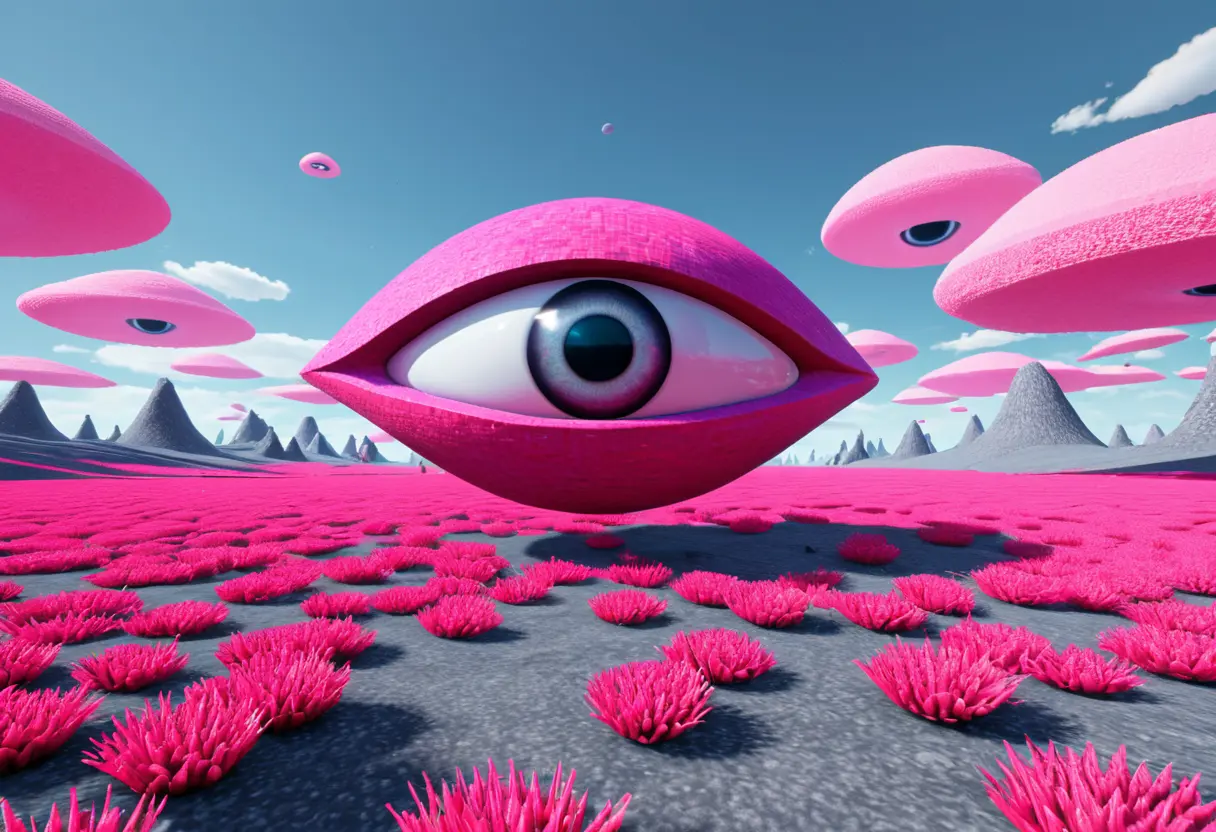
The player’s only action is to walk. The moment you touch a wall or an object, you are abruptly warped—“linked”—to a completely different scene. *A Patchwork of the Absurd : From a serene Japanese house to a blood-soaked execution ground, a cyberpunk city, or a geometric void where gravity has failed. The visceral confusion of dreams—the feeling of “not knowing why you are here”—is vividly reproduced through the crude, flickering textures of the PS1. *The Emotional Graph : Depending on the player’s actions, the state of the world fluctuates between “Upper,” “Down,” “Static,” and “Dynamic.” It functions less like a game and more like a biofeedback machine that reflects and influences the user’s mental state.
2. The Grey Man: Dream Censor or Manifested Suppression?
In this world of incoherence, only one constant presence remains: The Grey Man . *Erasure of Memory : Dressed in a grey coat and fedora, he approaches the player in total silence. If touched, the player’s entire “Flashback” (exploration record) is reset. Is he a censor monitoring the dream world, or the manifestation of a “Defense Instinct” buried in the subconscious to prevent the player from remembering something specific?
3. Analysis: The Origin of Dreamcore and Liminal Space
While dismissed as a “meaningless oddity” at the time of its release, LSD has since received a cult re-evaluation in the internet age.
Its visuals, which blend the eerie with the beautiful, and the unique sense of loneliness emitted by its empty spaces, anticipated the modern digital aesthetics of “Dreamcore” and “Liminal Spaces” by several decades. LSD serves as a powerful digital narcotic—a window through which we can access the “distorted truths” we dream every night but lose the moment we wake.
*Yume Nikki: The Mental Labyrinth of a Silent Girl : The spiritual successor to dream exploration horror. *Liminal Spaces: The Dread of the Empty Threshold : When everyday landscapes bare their teeth. *Polybius: The Phantom Cabinet of Mind Control : Investigating the intersection of gaming and psychological warfare.