Catastrophe Crow 64: The Polygon Epitaph of Love and Madness

Catastrophe Crow 64(commonly known asCrow 64) is a beautifully tragic “Unfiction” documentary surrounding a legendary unreleased title for the Nintendo 64. It is more than just a horror story; it is a brutal Digital Tombstone erected by a father for his dying child.
1. The Heritage of Ruin: The Shadow of Manfred Lorenz
Manfred Lorenz, the founder of Opus Interactive, was developing a game for his severely ill daughter, Thea. The game featured a protagonist modeled after a crow, a creature she adored. However, following Thea’s death, Manfred’s psyche underwent a total collapse. *The Sinking Ship : After the company went bankrupt, Manfred vanished along with his development hardware. His boat was later found abandoned, containing only a suicide note and mangled electronics. *The Resurrection of the ROM : Decades later, a “Development Cartridge” surfaced on an internet auction. Players who booted the game witnessed an anomalous program designed by Manfred to either “save” his daughter or “entrap” himself within her memory.
2. A Digital Underworld: The N64 as a Purgatory
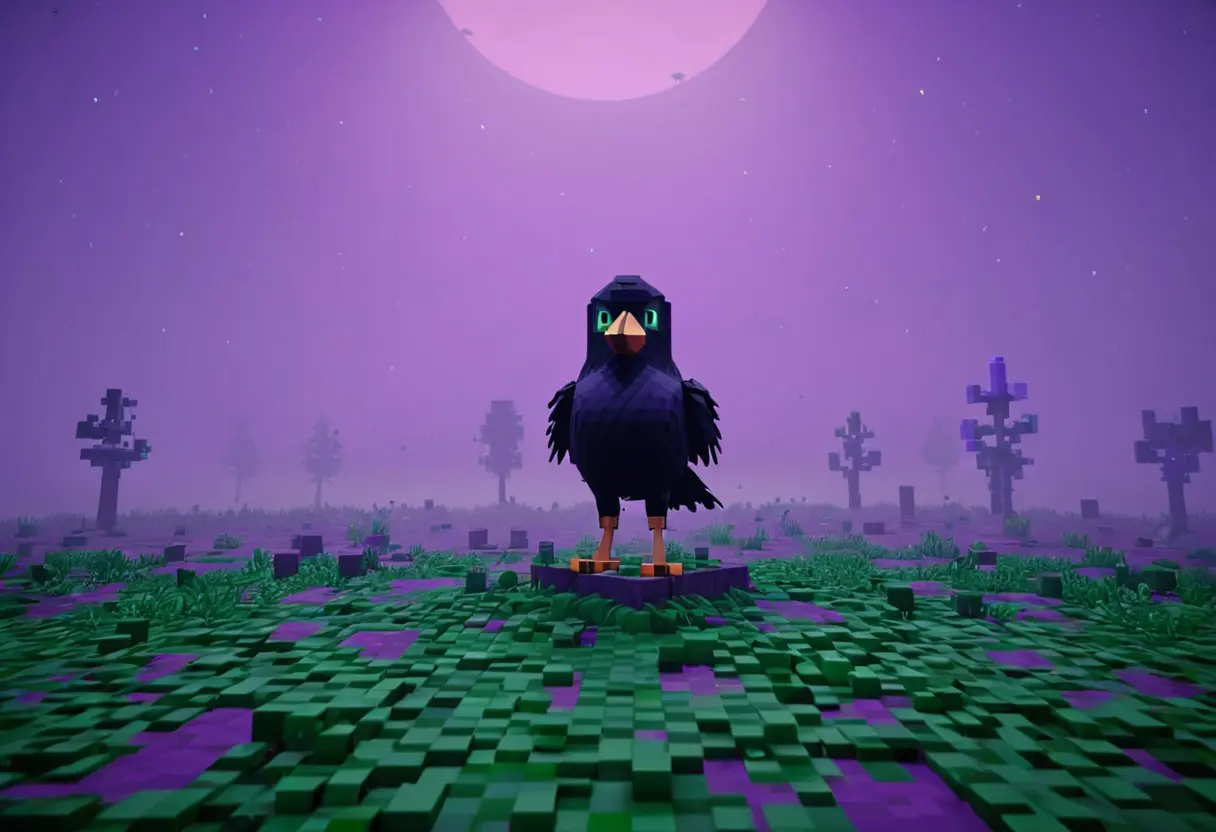
At first glance, the game appears to be a vibrant 3D platformer in the vein of Banjo-Kazooie. Yet, woven into its textures and code is Manfred’s fractured psychology. *The Bandaged Crow : A second crow character appears intermittently, its wing bandaged—a manifestation of Thea’s memory in the hospital. Regardless of the player’s efforts, she can never be saved from the “Bottom of the Ocean,” the game’s ultimate, unreachable destination. *Code as Mandala : Deep within the game’s files, users discovered heart-wrenching audio logs from Manfred to his daughter, as well as messages that transcended linear time. He attempted to translate the reunion he failed to achieve in reality into a digital afterlife.
3. Analysis: The “Fog” of Low Polygons
The masterpiece of Catastrophe Crowlies in its use of early 3D gaming limitations as metaphors for death.
The “uncertainty” of memory is perfectly expressed through crude polygons, obscuring fog (meant to hide draw distances), and cold, inorganic BGM. Did Manfred write this code to keep his daughter alive forever, or did he simply use the cartridge as a coffin to bury himself?Crow 64 serves as a lens into modern mourning—an archive of grief that exists solely within the flicker of a screen.
*Petscop: Encripted Malice in a Lost PlayStation Disc : The pinnacle of “Unfiction” told through series of recordings. *Liminal Spaces: The Silence of Empty Playgrounds : Investigating why abandoned digital spaces feel alive. *Lost Media: The Phantoms of Forgotten Data : Tracing the items that drift through the ocean of the net.