Undertale: The RPG where No One Has to Die — or So You Thought

Created by Toby Fox, Undertale initially appears to be a heartwarming homage to retro RPGs. However, its true essence is a piercing inquiry directed at the “Player as Observer.” Beneath the kindness of the slogan “The RPG where no one has to die” lies a brutal logic where the game system itself becomes a blade of condemnation.
1. Deconstruction: The Scent of Blood Hidden in the Stats
Undertale boarders on deconstruction by inverting the traditional meaning of RPG metrics: *EXP (Execution Points) : Not experience point, but a way of quantifying the pain you have inflicted on others—a measure of your desensitization to their suffering. *LV (Level of Violence) : Not a level of strength, but a measure of your capacity to hurt—a metric of how much you have hardened your heart to kill easily. *Save and Load : These are not merely convenient game features. Within the narrative, they are recognized as “Timeline Manipulation”—the most powerful ability in the world, surpassing even the gods of the underground.
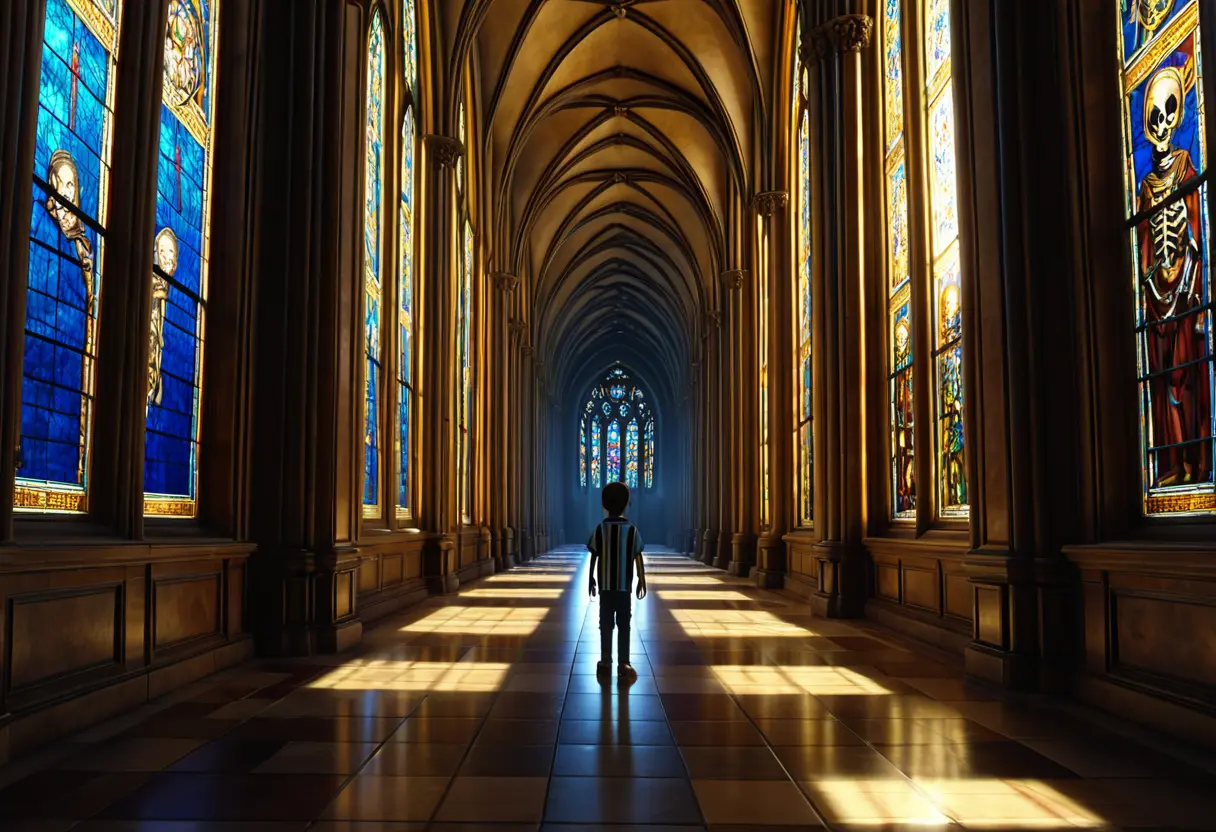
2. Dr. Gaster: The Phantom Discarded into the Void
The greatest mystery of this world—one that cannot be encountered through normal play—is W.D. Gaster. Once the Royal Scientist who designed the “CORE,” he is said to have “shattered across time and space” during an experimental accident. *The “Fun” Value Variable : Only through modifying system files or through miraculous RNG can players encounter “Gaster’s Followers” or the “Mystery Room.” Gaster has been exiled to the exterior of the game’s structure, yet he remains, watching the player through the gaps in the code. *Fragments of the Grey : All phenomena related to him are disconnected from the “Save Data”—the world’s memory. He is a symbol of meta-horror, an entity whose very reason for existence is “To Not Exist.”
3. The Genocide Route: The Sin that Cannot Be Reset
When a player, out of curiosity or a sense of omnipotence, chooses to slaughter every life in the underground (The Genocide Route), the story reveals its true, terrifying face. *Sans’s Judgment : The usually lazy and cheerful skeleton, Sans, stands as the ultimate judge. Sensing the manipulation of the timeline, he doesn’t fight for salvation—he fights to trap the “Monster” (the player) in a literal hell of endless battle to prevent the world’s destruction. *System Corruption : Players who complete this route can never truly achieve a “Happy Ending” again. Even if you reset the world, the system remembers your crime. At the very end of a joyful conclusion, the game will confront you with the blood-stained truth of your past actions.
*Yume Nikki: The Silent Interior World of a Girl : Investigating the origin of introspective indie horror. *Doppelganger: The Fear of the Second Self : Exploring the identity between ‘Chara’ and the player. *Meta-Horror: Malice that Crosses the Screen : Decoding terror that exploits the very framework of the medium.