Ragnarök: The Predestined Defeat and the Cycle of Ash-born Rebirth
Among the eschatologies that color fantasy, none house tragedy and nobility quite like Ragnarök .
This event, which concludes Norse mythology, means “The Fate of the Gods” in Old Norse. It is not an unavoidable natural disaster, but the record of the “Defeat of the Gods” that was ordained since the first prophecy. Yet, this destruction is not a return to void, but a harsh labor to give birth to a cleaner world.
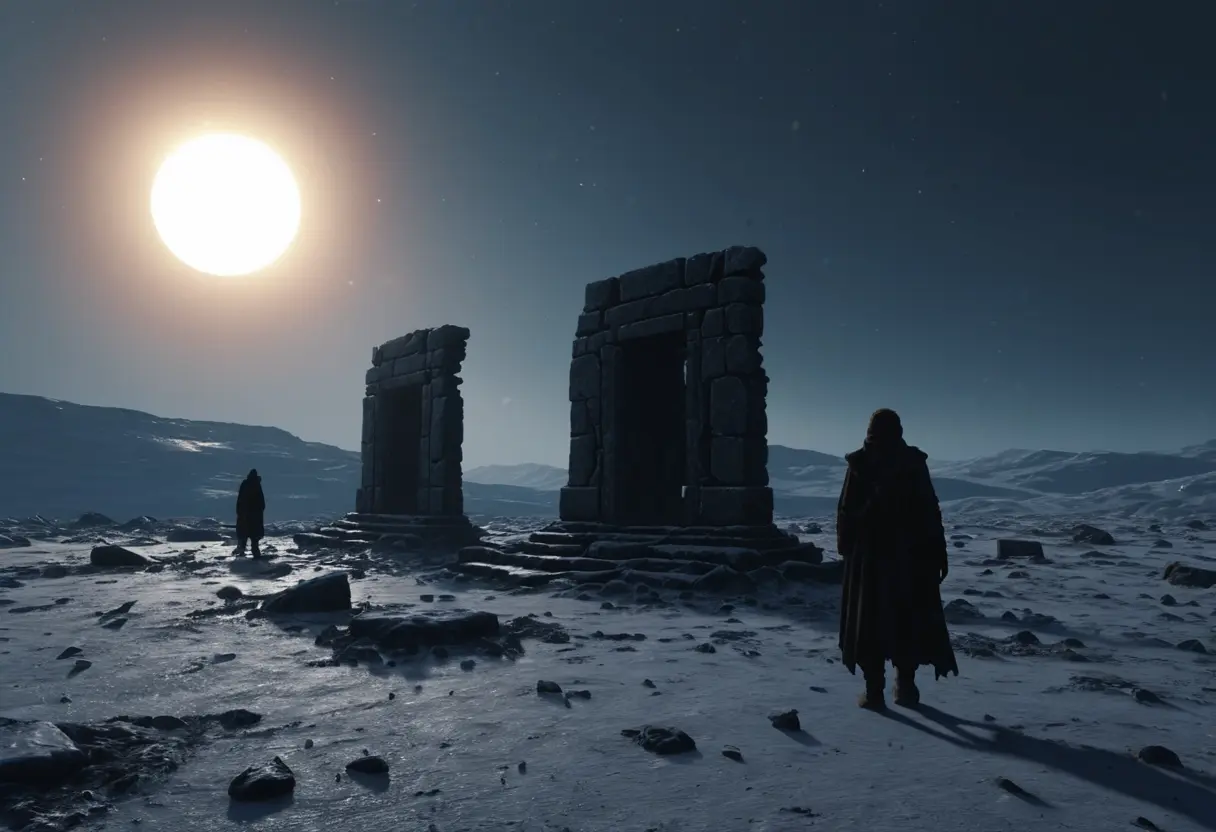
1. Omen: The “Fimbulwinter” of Ice and Strife
The beginning of the end arrives in silence and cold. *The Triple Winter : A period known as the “Fimbul (“Great”) Winter” where three harsh winters follow without a single summer. Fertility is lost from the earth, and humans discard their reason in hunger and fear. *Collapse of Order : This dark age, where brothers kill each other and kinship is lost, symbolizes the death of the “Law” and “Morality” that held society together.
2. Decisive Battle: The “Actors of Ruin” Gathering on the Field of Vígríðr
The “Incarnations of Chaos” that the gods had sealed and suppressed are all released at once. *The Bound Beasts Unleashed : The giant wolf Fenrir snapping his chains, and the world-encircling serpent Jörmungandr . These are the wild counter-attacks against the order built by the gods. *The Gods’ Resolve : Odin is swallowed by Fenrir, and Thor kills the serpent only to fall to its venom. They face their enemies while foreseeing their own deaths. This stoic spirit of “fighting even when you know you’ll lose” is why Ragnarök continues to enthrall fantasy readers.
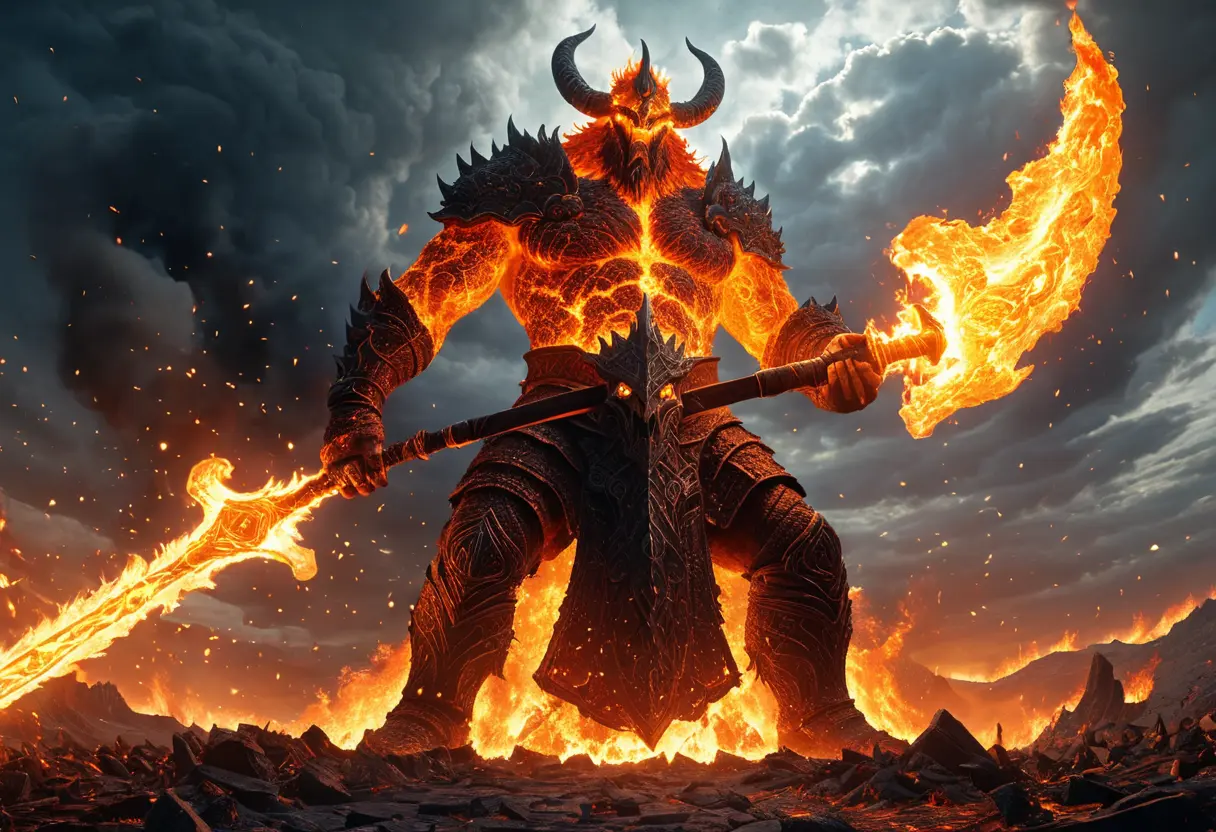
3. Purification: The Flames of Surtr and “Rebirth from Ash”
The finale of Ragnarök is performed by the fire giant Surtr wielding his flaming sword. *World Conflagration : Surtr burns the world—weary from the battle between gods and monsters—to its roots. The Fimbulwinter, locked in ice, is eventually counteracted by the scorching flames, and the world sinks into the sea. *New Sprouting : However, fire is more than just destruction; it is a ritual of “Purification” to burn away impurity. A lush new land emerges from the sea, and a pair of humans who took refuge within the World Tree, along with young gods who survived, begin a new history that does not repeat the mistakes of the old.
4. Cultural Context: Wisdom and the “Cycle” of Stories
Ragnarök teaches that nothing in this world is “Eternal and Unchanging.”
Even gods cannot escape death, and civilization eventually perishes and is reborn. This philosophy of the Cycle flows through modern “Stories of Linking the Fire” like Dark Souls and many post-apocalyptic works. We find salvation in the premonition of “Quiet Rebirth” that follows a devastating final scene.
*Yggdrasil : The cosmic pillar that endures the storm of the end and harbors the seeds of the next era. *Laevateinn : The legendary demon sword wielded by Surtr to envelop the world in purifying fire. *Mana Depletion : An omen of the world heading toward its end (winter) as magic is lost. *Warrior (Einherjar) : Souls of chosen warriors gathered in Valhalla for the day of Ragnarök.