Goblins: The Savage Survivors Lurking in the Shadows of History
In the hierarchy of fantasy, Goblins are often dismissed as the “trash mob”—the weakest obstacles for beginning adventurers.
However, looking closer reveals a race of truly terrifying “Survivalists.” Small, green-skinned (usually), and exceptionally fertile. They thrive in the harshest cracks of the world that Elves and Humans ignore. A single Goblin is a joke; a thousand Goblins are an apocalypse.
1. Origins: The “Brownies” and Household Mischief-Makers
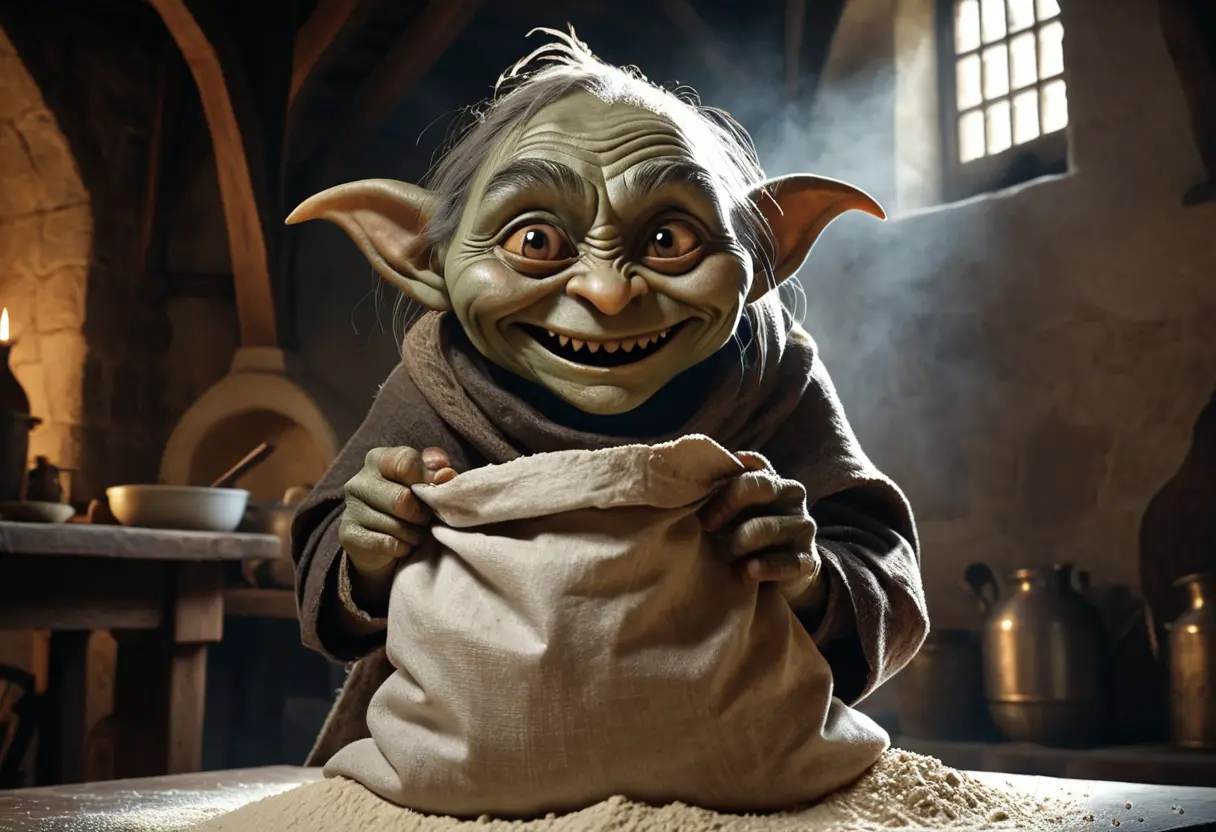
The original “Goblin” was far less militaristic than its modern counterpart. *European Folk Spirits : Originally, Goblins were related to hobgoblins and brownies—small, ugly spirits that lived in houses or mines. They could be helpful if treated well, but were usually known for souring milk or tangling horses’ manes. *The “Shadow” on the Hearth : They represented the “Minor Inconveniences” of domestic life given a playful, albeit ugly, face.
2. Transformation: Tolkien’s “Orc-kin” and the Industrial Beast
It was J.R.R. Tolkien who turned the Goblin into a “Threat to Civilization.” *Goblins as Orcs : In The Hobbit, Tolkien used “Goblin” as the common name for the creatures later called “Orcs.” He depicted them as cruel, clever with machines (especially those used for destruction), and harboring a deep hatred for all things beautiful. *The Collective Will : Tolkien’s Goblins were the first to show that their strength lies in their numbers and their “industrial” mindset—mass-producing weapons and tunnels with cold efficiency.
3. Nature: The “Logic of the Weak” and Savage Cunning
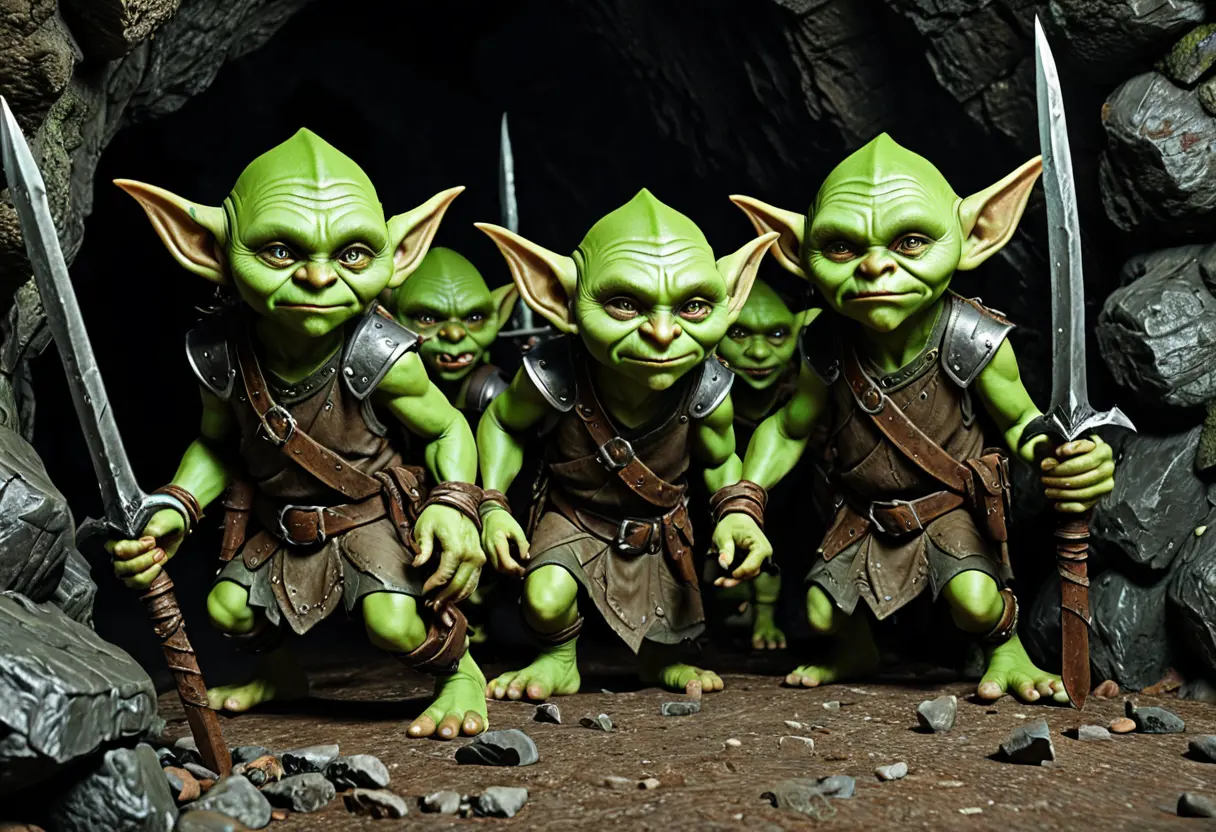
Modern Goblins, particularly in D&D or the Goblin Slayer series, are defined by their “Resourcefulness.” *Cunning over Honor : Goblins have no concept of a “Fair Fight.” They use traps, poison, and overwhelming numbers to compensate for their small size. To a Goblin, “Winning” is the only thing that matters, because “Losing” means extinction. *Technological Thieves : They are excellent at scavanging and repurposing the technology of other races. A Goblin’s gear is a patchwork of stolen scrap and crude innovation—a “Post-apocalyptic” aesthetic within a high fantasy world.
4. Cultural Context: The “Fear of the Proliferating Other”
Goblins represent our primal fear of “Something that multiplies faster than we can manage.”
They are the reflection of the “Urban Poor” or “Barbarians at the Gate” as seen through the eyes of the comfortable elite. By portraying them as ugly and cruel, we justify our attempts to “Exterminate” the vermin. But the Goblin’s resilience reminds us that as long as there are shadows in the world, they will always be there, waiting for our civilization to stumble.
*Orcs : The physically dominant “Big Brothers” of the Goblin race. *Trolls : The massive, regenerating titans that often act as the Goblins’ living siege engines. *Kobolds : The reptile-like rivals who compete with Goblins for the same subterranean niches. *Hobgoblins : The disciplined, militarized variants that bring order to the Goblin chaos.