Elves: The Immortal Guardians and the Melancholy of the Elder Race
The Elf is the most iconic race in fantasy.
Pointed ears, ethereal skin, and an evergreen youthfulness. To humans, they are an “Ideal Pattern (Idea)” and simultaneously “Transcendent Beings” that can never be reached. However, their essence is not found in mere elegance; it lies in the “Weight” and “Beautiful Melancholy” of being forbidden to stop walking until the world itself reaches its finale.
1. Origins: The “Alf” of the Heavens and the Light Spirits
The reason Elves are treated as sacred is because their origin lies close to the gods. *The Ljósálfar (Light Elves) : In Norse mythology, the Alf were spirit-like entities positioned between gods and humans. Beautiful beyond the sun, they governed fertility and natural life-force, and were objects of worship. *Decline and Rebirth : In medieval Europe, they were often demoted to small “Fairies” or mischievous creatures. It was the literary power of J.R.R. Tolkien that restored them to their status as a “Noble Race.”
2. Destiny: The “Curse and Blessing” of Immortality
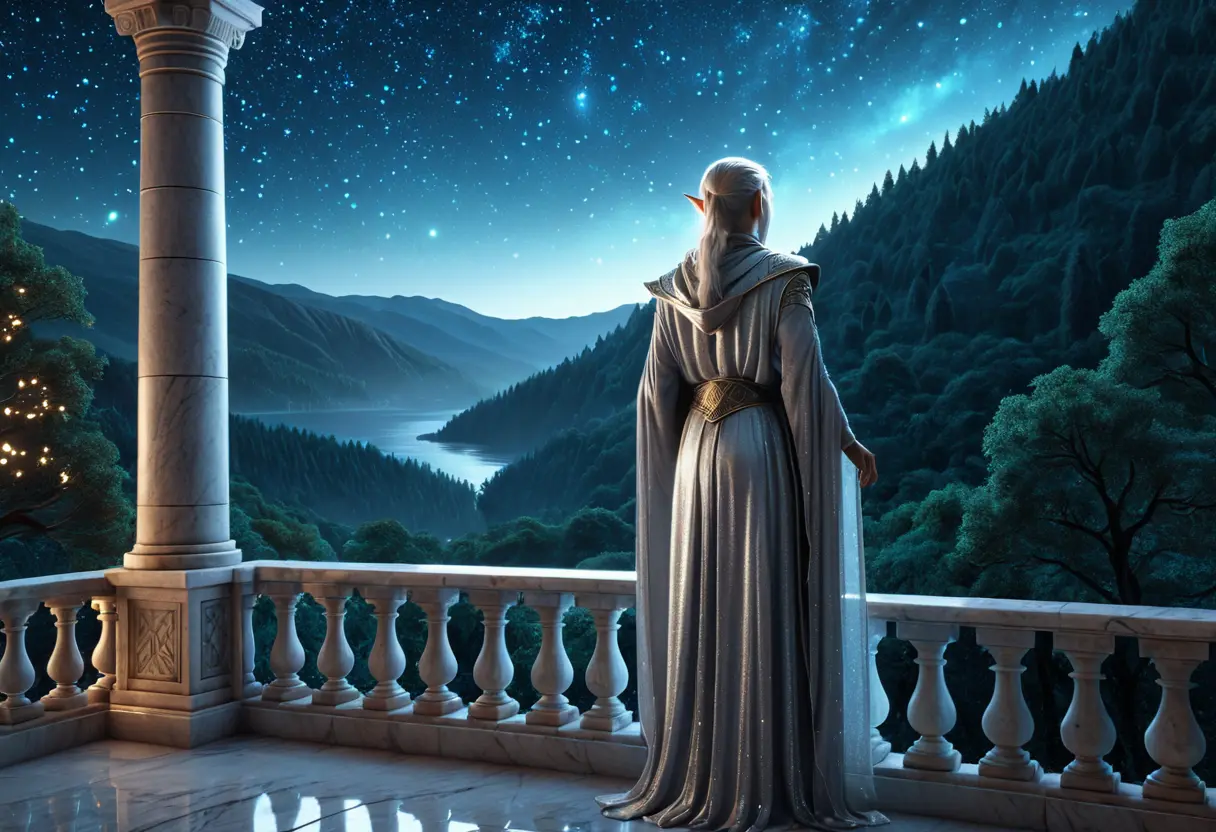
In Tolkien’s The Lord of the Rings, Elves are integrated into the laws of the world as the “Firstborn.” *Tuning with the World : Elves do not die of age or disease, but their souls are bound to the “World itself.” Thus, as the world decays, the Elven spirit also wears thin. Their decision to leave “Middle-earth” for the West is a sign that they have prepared for the coming age of human chaos. *Magic as Art : For an Elf, magic is not a “skill” to be trained. Their speech and song are in direct resonance with the fundamental “Music” of the world. Each of their tools contains “Magic” because their very lives are a pursuit of art.
3. Diversity: The “Three Phases” of Nostalgia and Change
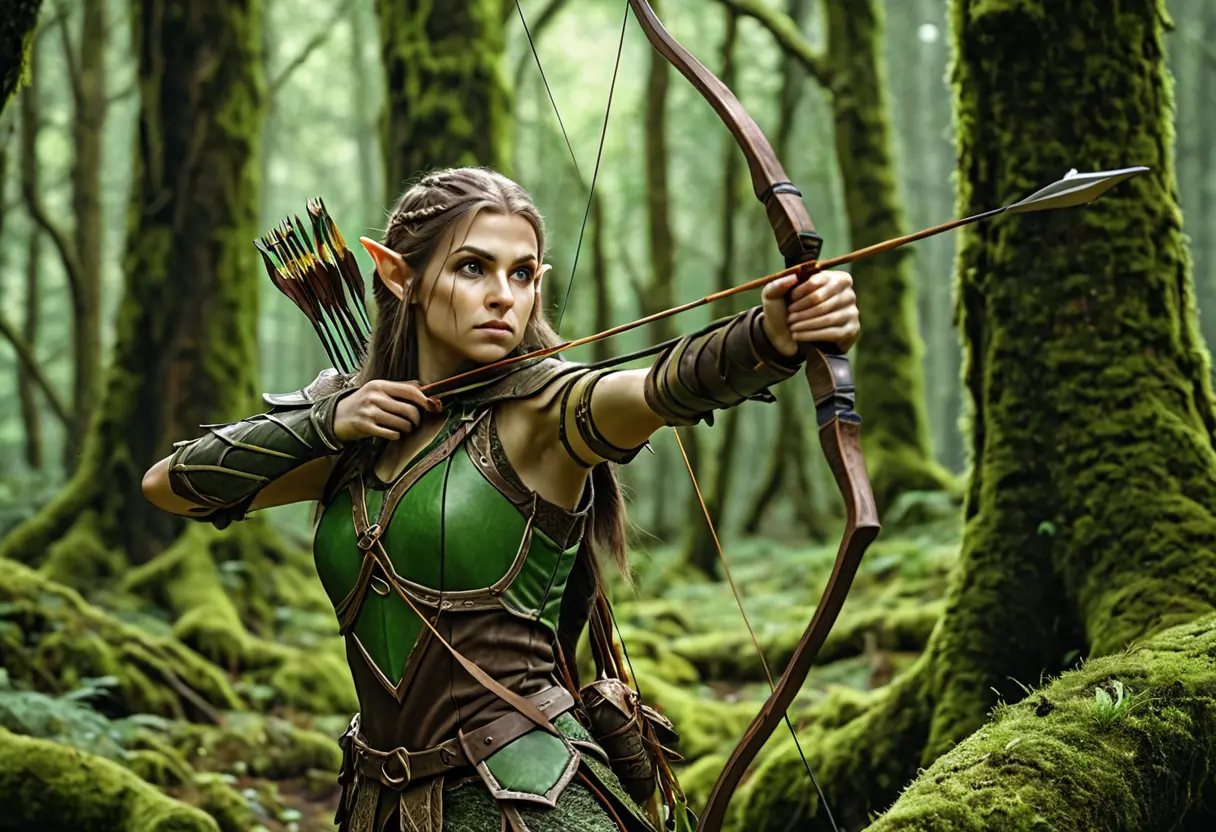
In modern fantasy, Elves are often depicted in three main forms based on their history: *High Elf : The peaceful, noble folk who have perfected magical civilization. Their beauty sometimes manifests as “Arrogance” toward short-lived humans. *Wood Elf : Those who dwell within deep forests and merge with the breath of nature. Masters of archery and stealth, they are merciless to those who disturb their sanctuary. *Drow / Dark Elf : Those who rejected the light and lurk in the dark underworld. Worshipping spider goddesses in a cold hierarchy, they embody the “Shadow” aesthetic of the Elven race.
4. Cultural Context: The “Nostalgia” for What is Lost
Elves fascinate us because they possess a “Fragility born of Perfection.”
They live for thousands of years and master every technique, yet they lag behind humans in the power to “Create Something New” (the energy of change). The image of an Elf singing old songs and dreaming of lost cities is a metaphor for the “Pure Ideal” we must often discard as we grow.
*Dwarves : The “Elder Folk” who once shared friendship (or enmity) with Elves. *Half-Elves : Symbols of the struggle between Elven nobility and human potential. *Tolkien’s Mythology : The creator who built the foundation of the modern Elf image. *Mana : The resonance of the world that Elves interact with as easily as breathing.