Dwarves: The Masters of Stone, Iron, and the Inviolate Oath
The Dwarves are the dual-natured masters of “craft” and “warfare” in the fantasy genre.
Stocky builds like forged steel, magnificent beards, and an ancestral knowledge of stone. They do not speak of the sky like Elves; instead, they find “Truth” within the rugged, unadorned rocks beneath their feet. Dwarves are the embodiment of “Technology” and “Tenacity” that has persisted since the age of myth.
1. Origins: The “Dvergr” Who Forged the Gods’ Weapons
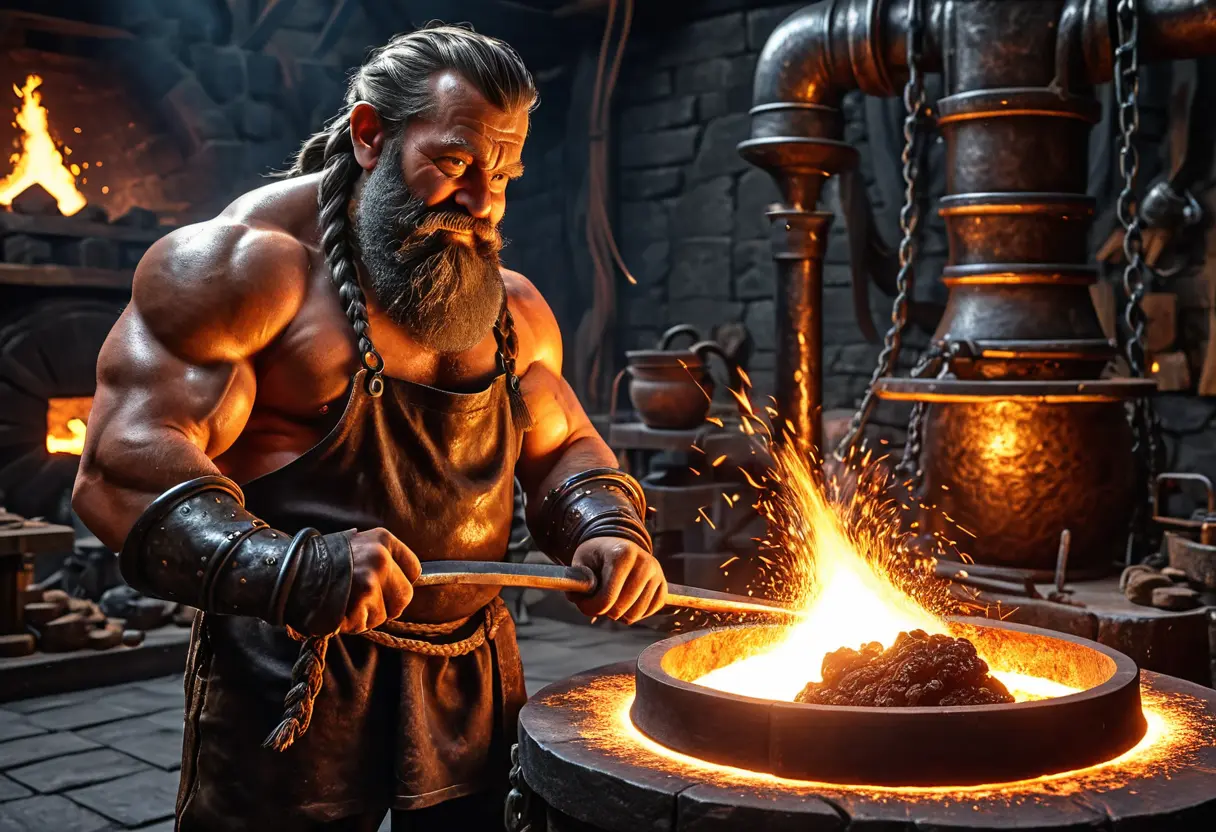
The roots of the Dwarf lie in the Dvergr of Norse mythology—highly intelligent beings who dwelled within the earth. *Born of Primordial Soil : According to myth, the Dvergr emerged like maggots from the corpse of the giant Ymir, only to be given human form and wisdom by the gods. This “earthy” origin is the source of their deep sense of belonging to the land. *Engineers of the Divine : Almost all of the gods’ treasures—Thor’s hammer Mjölnir, Odin’s spear Gungnir, and even Sif’s golden hair—were products of their hands. For a Dwarf, beauty is not found in superficial decoration, but in “Perfected Structure” backed by function and durability.
2. Character: The “Stubborn Pride” and Obsession with Heritage
The modern image of the Dwarf established by Tolkien is consistently one of a “Proud, but often greedy and stubborn” race. *Rigid as Stone : Dwarves do not break easily, neither physically nor mentally. They “engrave” contracts or insults into their hearts as if on stone, never forgetting until a debt is paid or a grudge is settled—even across generations. *The Lost Homeland : They harbor an abnormal longing for lost glory and the gold sleeping in the deep. This “obsession” can lead to their downfall, yet it is also the engine that makes the impossible possible.
3. Culture: Wisdom Birthed by the Underworld (Axes and Ale)
Their unique lifestyle is a rational adaptation to the harsh subterranean environment. *The Choice of Axes : In narrow tunnels, longswords are clumsy and useless. Thus, the heavy Axe and Warhammer , which function as both tools and weapons, became their standard gear. *The Sanctity of Ale : Finding clean water sources underground is difficult. Thus, Ale —which is nutritious and long-lasting—developed as a daily substitute for water. The image of the “Dwarf Drunkard” is actually a tradition born from survival wisdom. *The Pride of the Beard : A beard is the proof of adulthood and honor itself. It is the symbol of “Dwarf-ness” that transcends gender; it’s often said that female Dwarves also have beards or are indistinguishable from males because their entire identity is concentrated in their facial hair.
4. Cultural Context: The “Last Bulwark” of Tradition
While Elves watch the “Twilight” of the world, Dwarves embrace its “Core.”
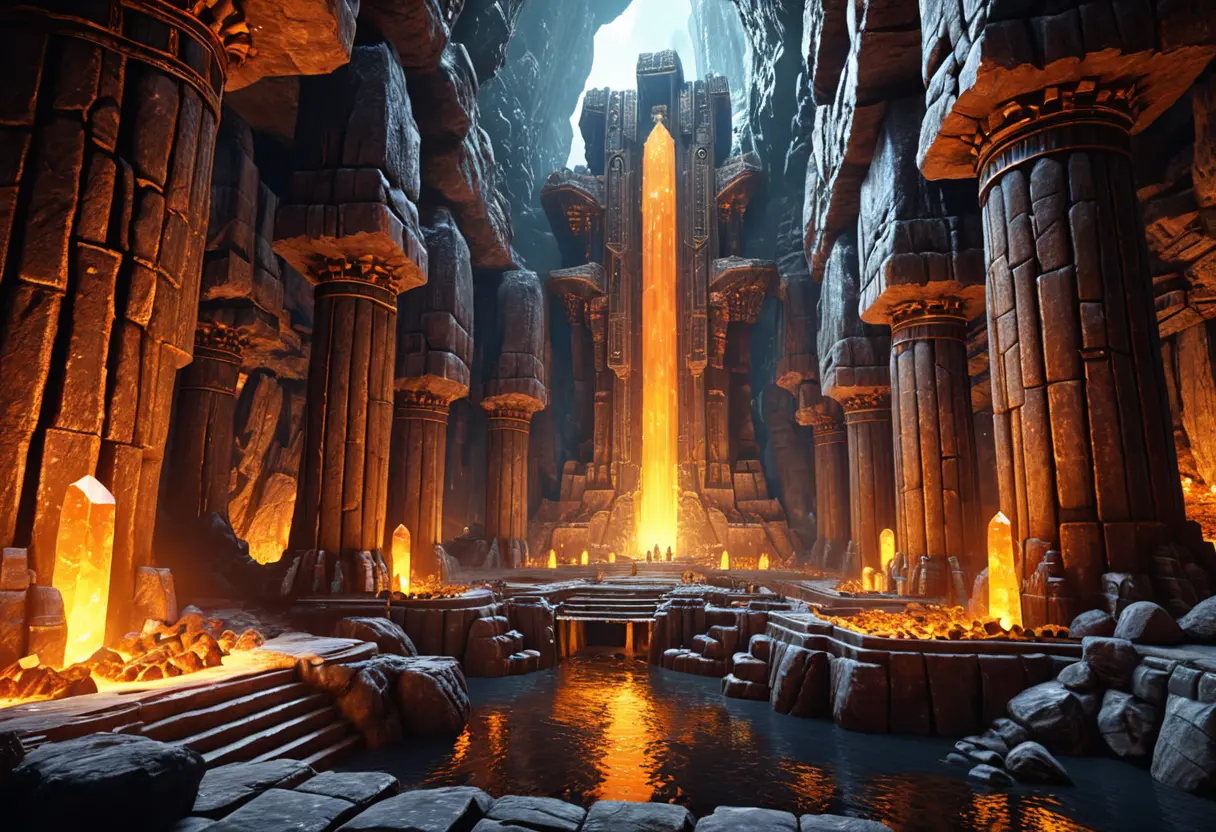
Against the fickle trends of humans, Dwarves value unchanging tradition and discipline. They stay in the deep not just for the gold, but because an inviolable aesthetic and a craftsman’s pride continue to pulse there, protected from the chaos of the surface.
*Elves : The rivals who once fought over jewels but now acknowledge each other’s skill. *Gnomes : Cousins who prefer whimsical curiosity and illusions over heavy stone. *Runes : Sacred markings Dwarves use to fix magic into physical objects. *Underdark : Descriptions of the Dwarven territories and the horrors that lurk even deeper.