The Origins of Werewolves: Primal Animality and the Curse of 'Transformation'
If the vampire is the aesthetic and intellectual “Lord of Night,” the Werewolf (Lycanthrope) is the impulsive and violent “Incarnation of the Wild.”
Legends of werewolves have existed since the dawn of time, when humanity first began to clear the forests and build civilization. They represent an eternal anxiety over the fact that, no matter how refined society becomes, “uncontrollable violence” sleeps at the bottom of our hearts.
1. Primal Transformation: Lycaon and the Shape of “Divine Punishment”
One of the terms for werewolf, “Lycanthrope,” originates from the Greek myth of King Lycaon of Arcadia, whom Zeus transformed into a wolf. *The Price of Taboo : Humans are transformed into animals as punishment for blasphemy against the gods or barbaric acts like serving human flesh. This penalty of “Loss of Humanity” was the starting point of werewolf legends. *Shadows of Shamanism : There was also the influence of warriors who sought to gain power by wearing wolf skins (such as the Norse Berserkers). Thus, the werewolf was initially a symbol of “great power” as much as it was a curse.
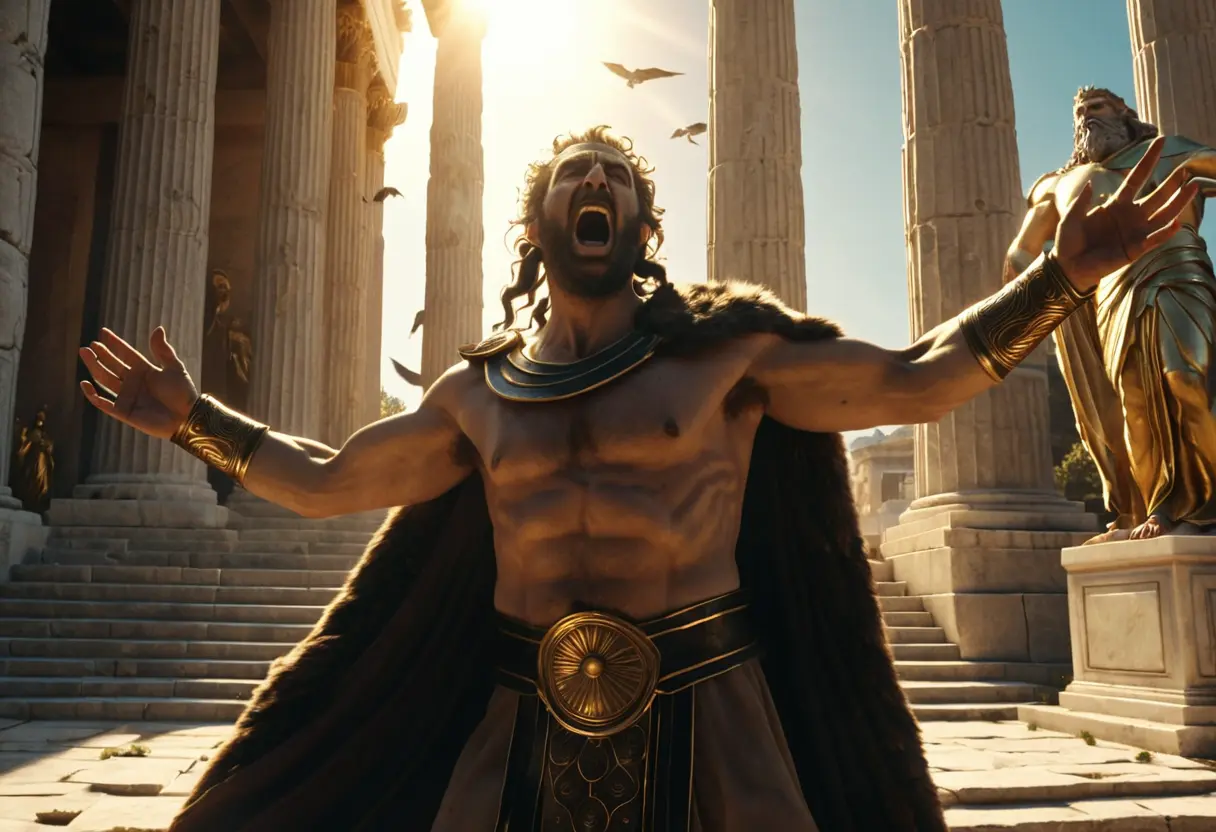
2. Medieval Madness: Witch Trials and the Werewolf Trials
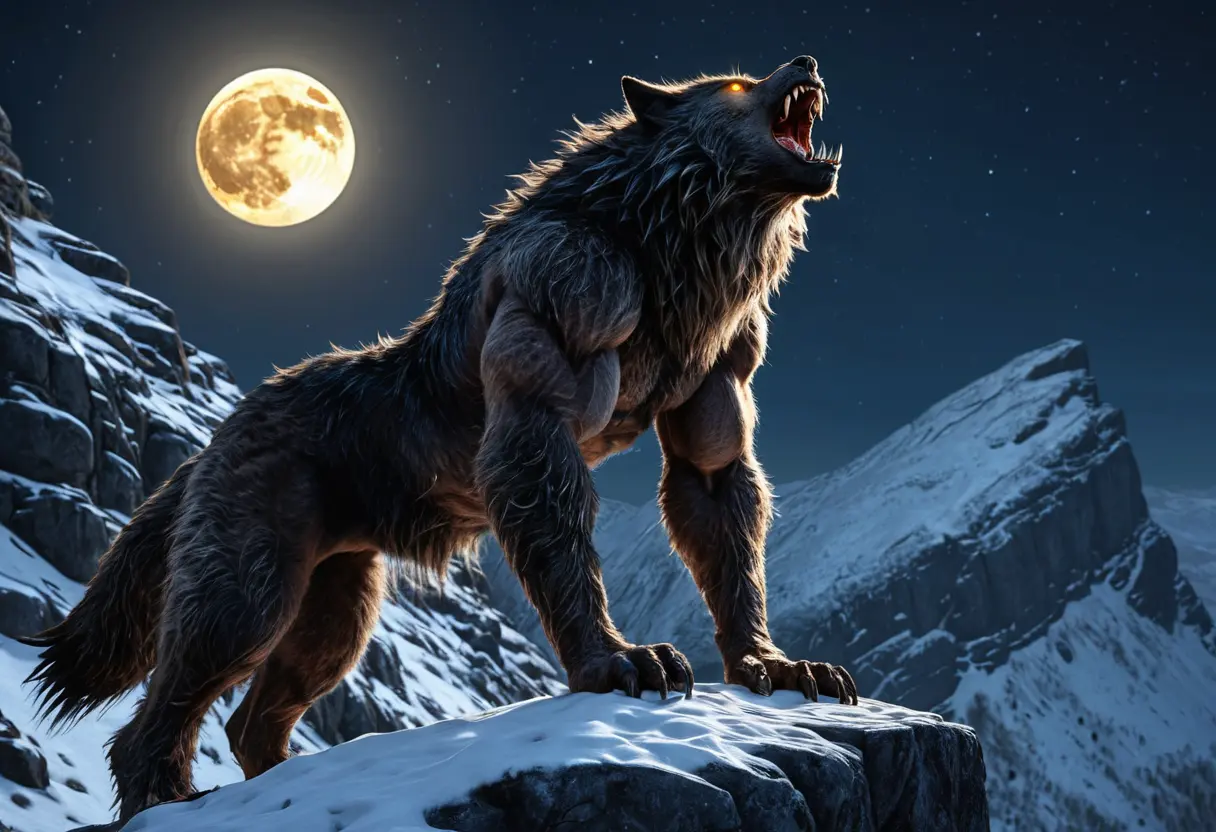
Between the 15th and 17th centuries, werewolves were feared as a more immediate threat than vampires in Europe. *Fruits of Accusation : There were actual cases of individuals who “confessed” to being werewolves and were executed. While these are now thought to have been cases of rabies, hypertrichosis, or severe mental illness (clinical lycanthropy), for the people of that time, the terror of a neighbor transforming into a wolf at night to attack livestock or children was an unshakable “reality.” *Silver Bullets and the Full Moon : Familiar tropes such as silver being a weakness and transformation occurring under the full moon were established through the fusion of these folk beliefs and later films (such as 1941’s The Wolf Man).
3. The Conflict of Reason and Wild: The Tragic Anti-Hero
Modern portrayals of werewolves often focus on them as tragic characters struggling with the “Beast” within their blood. Uncontrollable Impulse : Transformation comes regardless of one’s will, during which time human memory and reason are completely lost. The despair of tearing apart a loved one with one’s own claws. This sensation—“that something other than oneself is being kept inside one’s body”—functions as a metaphor for modern alienation and psychological anxiety. Rivalry with Vampires : As seen in works like UnderworldorTwilight, the dichotomy between the intellectual vampire and the primal werewolf has become a standard duality (binary opposition) in entertainment.
4. Cultural Context: Why We Dream of Becoming the “Beast”
While being a werewolf is a “curse,” it also means being completely released from the rules of society.
To howl, to run, to hunt. There is an “explosion of pure life” that the civilized person has suppressed. Perhaps werewolf legends are loved today because we occasionally wish to throw away our heavy intellect and morality—and simply howl as a “Beast.” Beneath the light of the full moon.
▲ Back to Fantasy Dictionary Top