The Origins of Vampires: From Decaying Corpses to Lords of the Night
In modern entertainment, the Vampire is the most sophisticated and popular of all monsters. They are immortal, possess superhuman strength and magic, and above all, they are “aesthetic.”
However, traces of their origin reveal they were once far from beautiful—they were merely loathsome, abominable “shuffling corpses.” The evolution of how the vampire walked through the shadows of history and changed its form is the history of the human race’s own fear and longing for death.
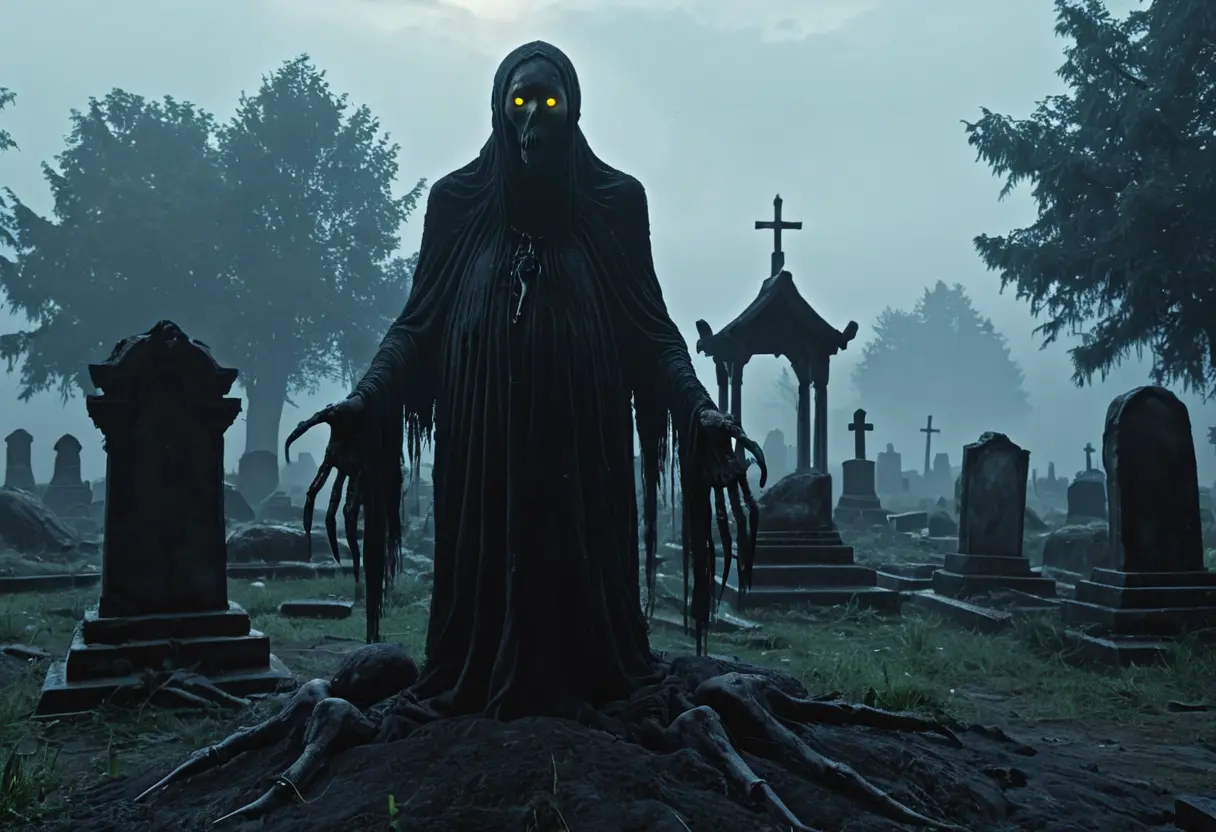
1. Primal Aberrations: The “Impure Corpses” of Slavic Folklore
The roots of the vampire lie in the folk traditions of Slavic regions in Eastern Europe. *The Bloated Corpse : The vampires (Vampir) of that era were not handsome men. They were thought to be “impure corpses”—those who died with grudges or whose burials were mishandled—that crawled from their graves to suck the life force (精気) from livestock and relatives. They were described as bloated, reddish-black, and emitting a stench of decay—closer to what we now call zombies. *Communal Defense Instinct : When rumors of a vampire spread, graves were desecrated, and gruesome rituals like driving stakes through the heart or decapitation were actually performed. Vampires were the “embodiment of terror” born from the community’s defense instinct against unknown epidemics or inexplicable deaths.
2. Gothic Sophistication: Dracula and the Aesthetics of Darkness
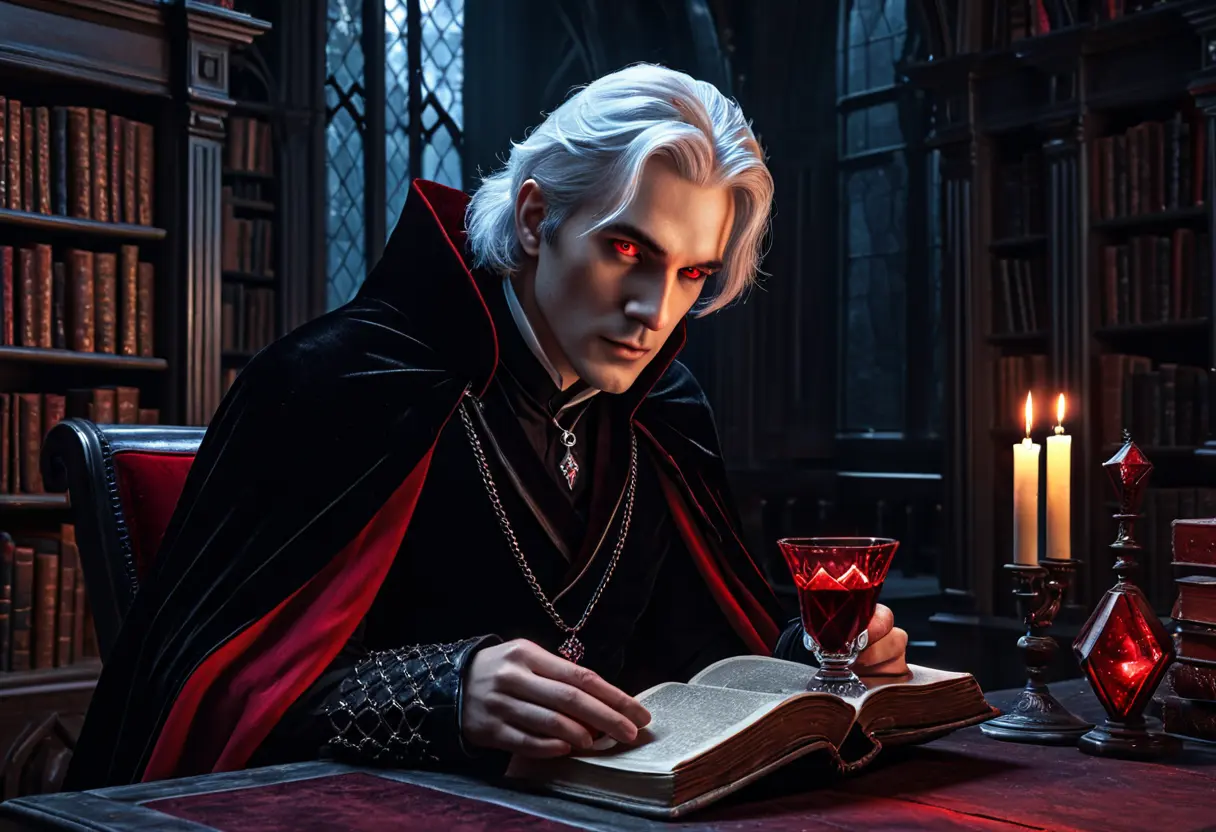
In the 19th century, the vampire received a dramatic “update” through the lens of literature. Redefinition as Nobility : Through works like John Polidori’s The Vampyreand Bram Stoker’sDracula*, the vampire acquired the persona of a “nobleman with high intelligence and manners.” They were no longer savage corpses, but “apex predators” who wielded absolute power from the shadows of society. *The Beauty of Constraints and Rituals : Weaknesses such as vulnerability to sunlight, inability to enter a house uninvited, or being unable to cross running water gave them a sense of ritualistic beauty and a “level of difficulty” for heroes to overcome. These constraints elevated the vampire from a mere monster into a “higher-dimensional being” that follows rules.
3. Eternal Solitude: Transmutation into Modern Anti-Heroes
From the late 20th century to the present, the image of the vampire has undergone further transformation. *Emphasis on Melancholy and Solitude : Following Anne Rice’s Interview with the Vampire, vampires began to be depicted as “tragic heroes” who suffer over their existence and endure the curse of eternal life. The act of drinking blood shifted from mere hunger to a symbol of the ultimate (and violent) communion with another. *Pop Culture Consumption : In films, manga, and anime, vampires are reconstructed as “stylish warriors” or “academy princes.” Yet, no matter how much their appearance changes, the paradoxical allure of “life cloaked in the shadow of death” never fades.
4. Cultural Context: Why We Seek the “Blood”
Why has humanity never erased the vampire, but instead continued to refine it?
It is perhaps because they are the integration of our instinctual “fear of death” and our desire to “love (or possess) someone forever.” Vampires are the symbol of both the “exposed life force” we lost in the process of civilization and the “despair of eternal solitude.” At the moment their sharp fangs reach the throat, we experience both the terror of death and the sweet anticipation of an eternal escape.
▲ Back to Fantasy Dictionary Top