Valkyrie: The 'Maiden of Death' Who Decides the Fate of Souls
In Norse mythology, Valkyries (or Walküre) are more than just mythical warriors. They are the “Executors of Fate” who preside over the boundary between life and death, deciding who achieves a glorious death and who survives.
Clad in silver armor and soaring through the sky on winged horses, their image has become the ultimate icon of the “Sacred Female Warrior” in modern fantasy.
1. Origins: The “Spirits of Death” in the Frenzy of Battle
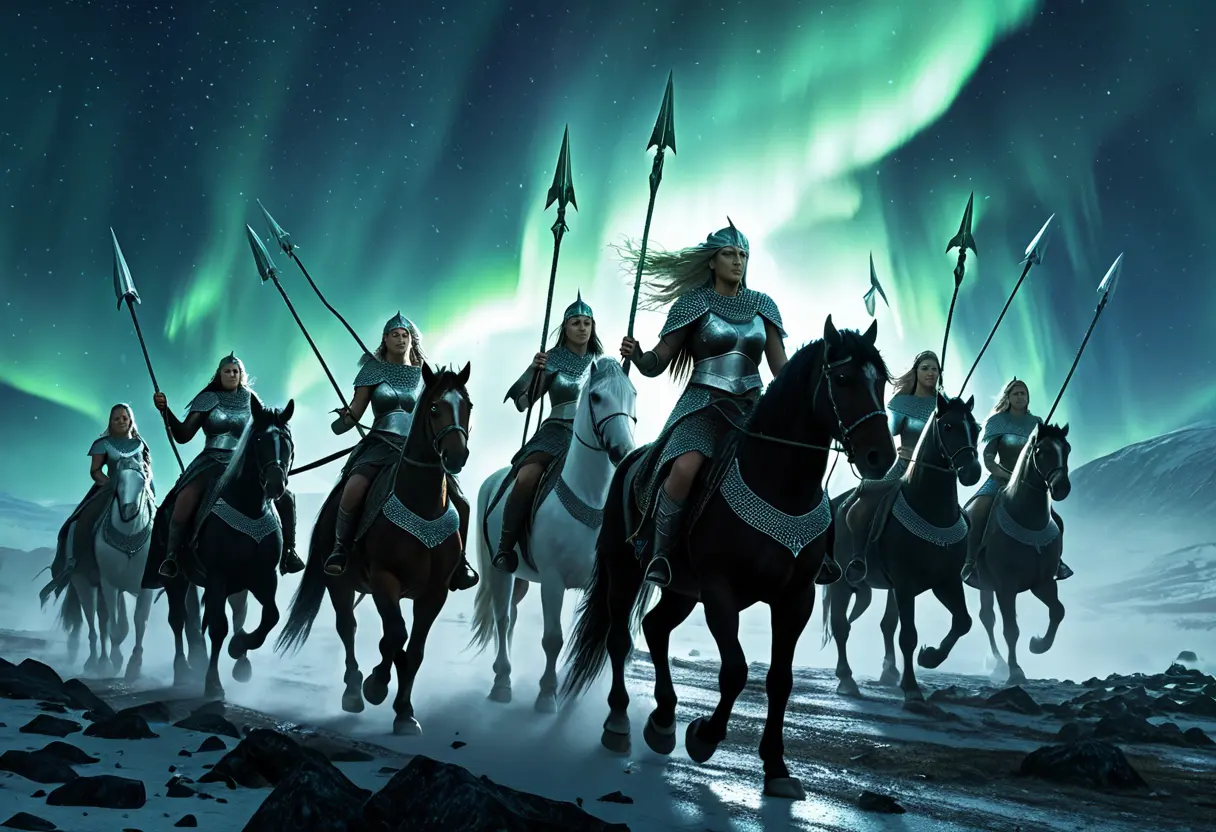
While modern depictions often portray Valkyries as “beautiful maidens,” in older Norse traditions, they were more primitive and terrifying symbols of death . *** Choosers of the Slain (Valkyrja) : By Odin’s order, they select “brave souls” from among the fallen on the battlefield. In early poems (the Eddas), they were sometimes depicted as ominous figures who commanded ravens, sipped blood, and lured warriors to their deaths.* The Identity of the Aurora ** : It is told that the shimmering light of the Aurora Borealis in the northern skies is actually the reflection of their shields and armor as they ride through the sky.
2. Cultural Transformation: Wagner and the Established “War Maiden”
The image of the Valkyrie as a “noble heroine” was heavily influenced by the 19th-century composer Richard Wagner’s opera cycle, Der Ring des Nibelungen. *The Ride of the Valkyries : The image of them wearing winged helmets and galloping over battlefields to a majestic melody was dramatically dramatized by Wagner. *The Tragedy of Brünhild : The character of Brünhild, who defies her master Odin and loses her divinity for love, became the ancestor of the trope “the female warrior torn between duty and passion” in fantasy.
3. Function: “Scouting” and “Feasting” in Valhalla
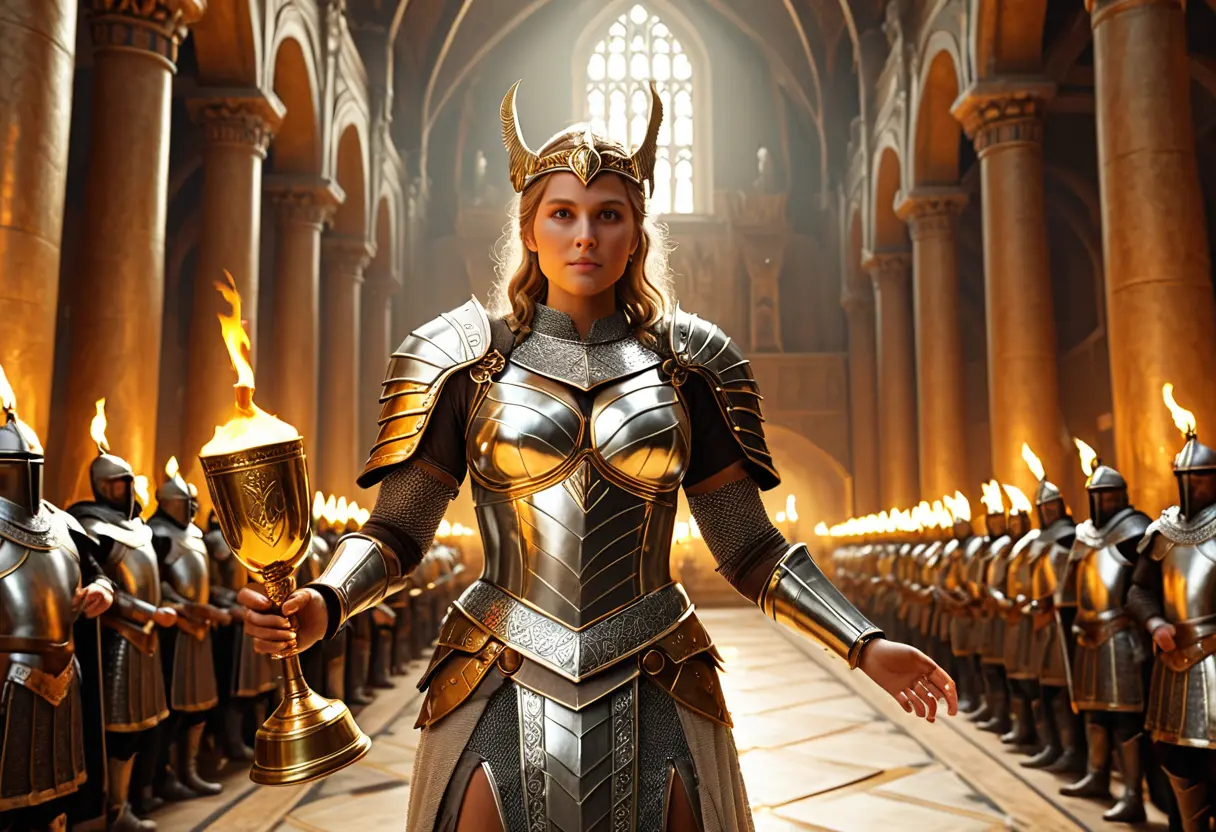
Their role extends beyond mere selection on the battlefield. *Selection of the Einherjar : They transport the heroes who died in battle (Einherjar) to the celestial palace, Valhalla , to join the army for the final battle of Ragnarök. They were, in effect, the highest-level talent scouts in Odin’s grand plan. *Serving the Mead : When there is no battle, they serve as cupbearers in Valhalla, offering mead to the warriors. This extreme duality—“Death Goddess on the battlefield” and “Hostess at the feast”—sublimated them into an idealized existence that supported both sides of life and death for Norse warriors.
4. Cultural Context: Power to Transform Death into “Beautiful Sublimation”
The concept of the Valkyrie became widespread because it possessed the power to transform man’s greatest fear—“Death” (and a gruesome death in battle at that)—into a “noble sublimation” of being chosen by the gods.
For the Vikings who lived amidst harsh nature and constant struggle, the story that a beautiful maiden would come from the sky at the moment of death was the ultimate religious device for affirming death and maintaining courage.
▲ Back to Fantasy Dictionary Top