Unexpected Origins: The Lost 'Truth' of Zombies and Golems
In fantasy works, “Zombies” are synonyms for enemies to be defeated, and “Golems” are loyal guardians. However, the original meanings these monsters held are extremely contrasting and carry heavy historical and religious backgrounds compared to the impressions we receive today.
We unwrap their “True Origins,” lost in the process of being consumed as entertainment.
1. Zombie: The “Eternal Slave” Who Was Denied Death
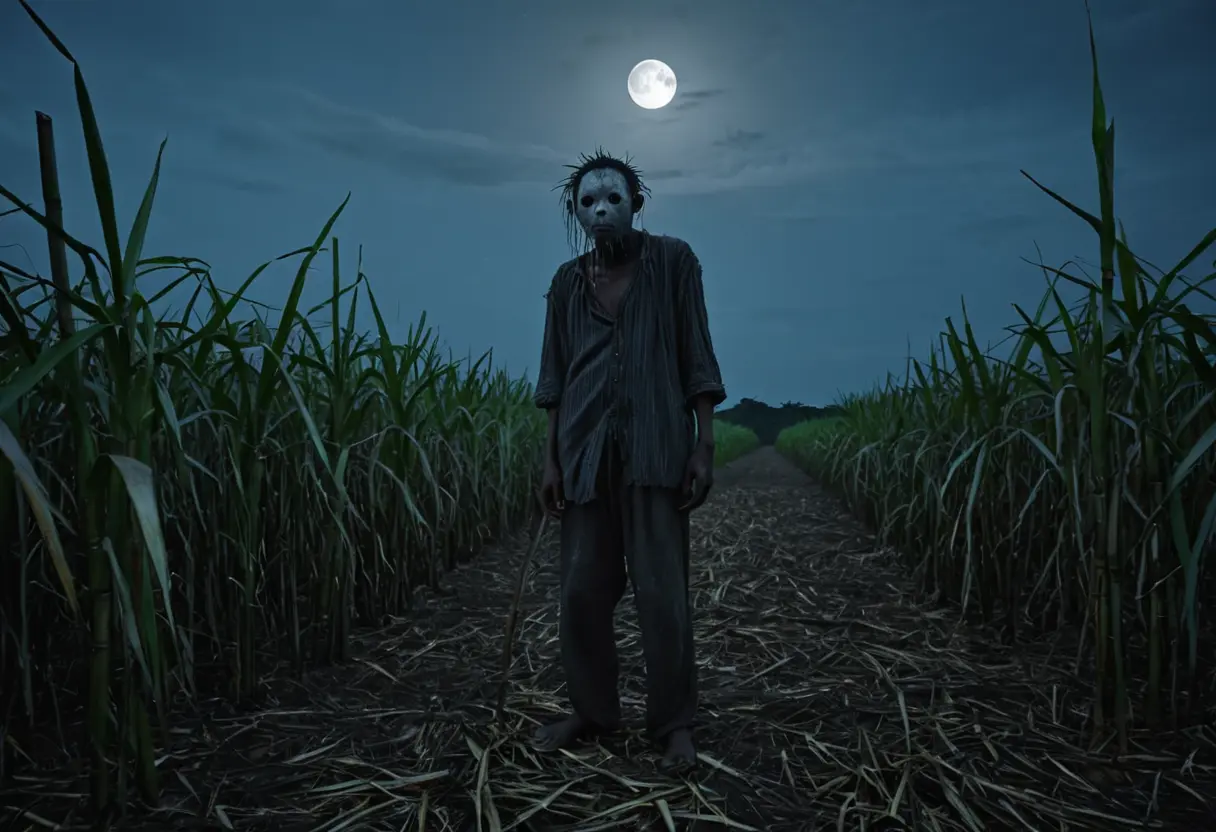
The modern Zombie (post-Romero) is a corpse infected by a virus, losing reason and eating people. However, the original in Haitian Voodoo neither infects nor attacks people. *Constraint by Sorcery : A human put into a state of suspended animation by a sorcerer’s (Bokor) secret medicine, then dug out of a grave with their will stolen. That is a Zombie. They were created not to attack people, but to be overworked as “Selfless Labor” in the sorcerer’s fields. *Trauma of Slavery : For Black slaves in Haiti brought from Africa, death was the only freedom. Yet the legend of the Zombie was the embodiment of the ultimate hell for them: “being forced to work as a slave even after death.”
2. Golem: A “Prayer” Emulating the Miracle of Creation
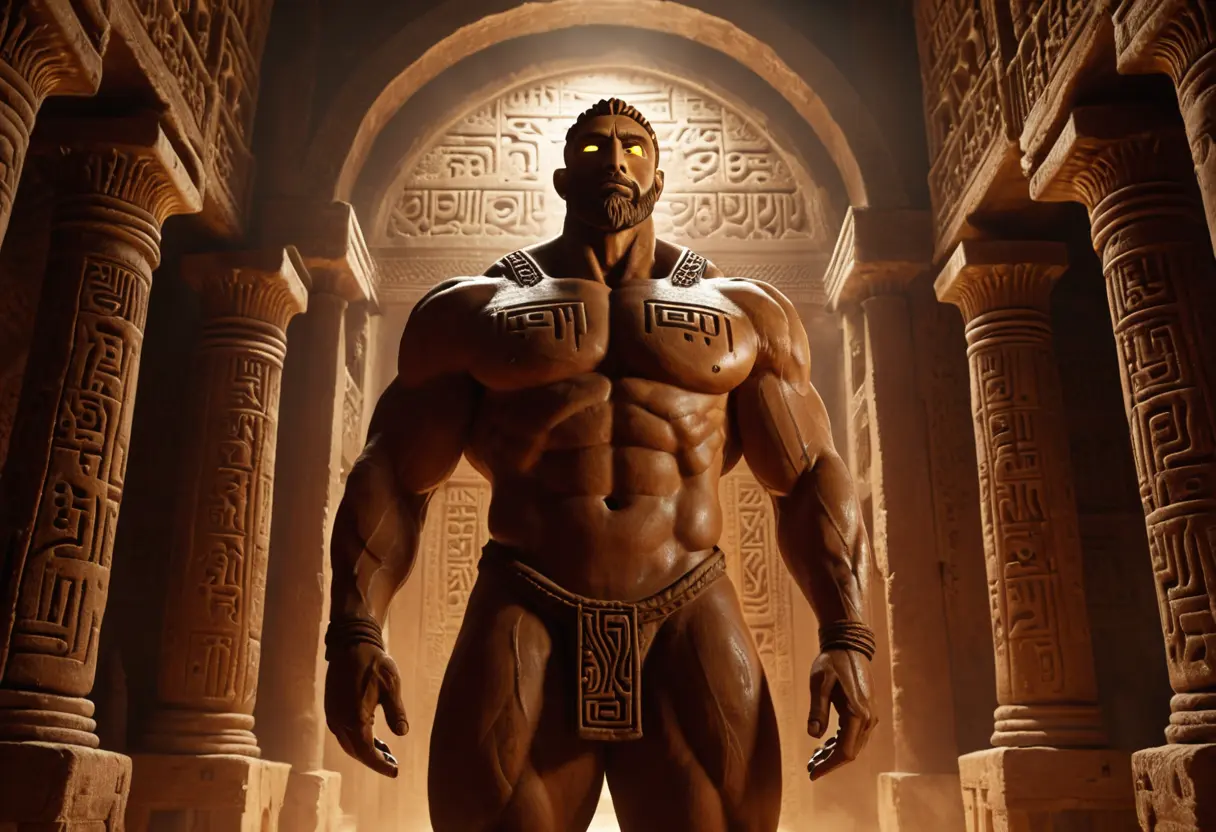
The modern Golem is a “Mud Robot moving with magical energy.” However, the original Golem in the Kabbalistic Mysticism of Judaism was an extremely sacred and philosophical existence. *Creation as Cultivation : Only a Rabbi (priest) with high knowledge and a pure soul could create a Golem. It was not for securing labor, but a deeply religious ritual: “attempting to approach God by reproducing the work of God who created man from earth.” *The Letters of Truth (Emeth) : The word “Truth” (Emeth) in Hebrew is engraved on the Golem’s forehead, making it move. To stop it, one letter is erased, changing the word to “Death” (Meth). This idea of “Words having physical power” overlaps with the conceptual roots of modern programming and AI.
3. Reasons for Change: Why the Stories Were Overwritten
Why did these origins transform into what they are today? *Projection of Social Anxieties : In the late 20th century, fear of etc “Masses” of society and anxiety over unknown viruses evolved Zombies into “Infectious Predators.” On the other hand, Golems strengthened their image as inorganic autonomous robots, mixing “Admiration and Fear of Machinery” after the Industrial Revolution. *Necessity of Catharsis : In games and films, the original “Tragic Slave-Zombie” was inappropriate as a target to be defeated. To move a story, characterization as an “Incarnation of mindless violence” (Zombie) or a “Solid wall to be overcome” (Golem) was necessary.
4. Cultural Context: The Value of Knowing the Roots
In modern entertainment, simplification of settings is unavoidable. However, knowing the “Despair of Slavery” behind Zombies or the “Longing for the Creator” behind Golems will surely enrich your interpretation of a work.
Monsters are not mere “fictional creatures.” They are “Ghosts of Culture,” where the memories of the most feared, most wished for, or most regretted by humans of that era have taken shape.
▲ Back to Fantasy Dictionary Top