Solomon's 72 Demons: The Catalog of Chaos Bound by Names
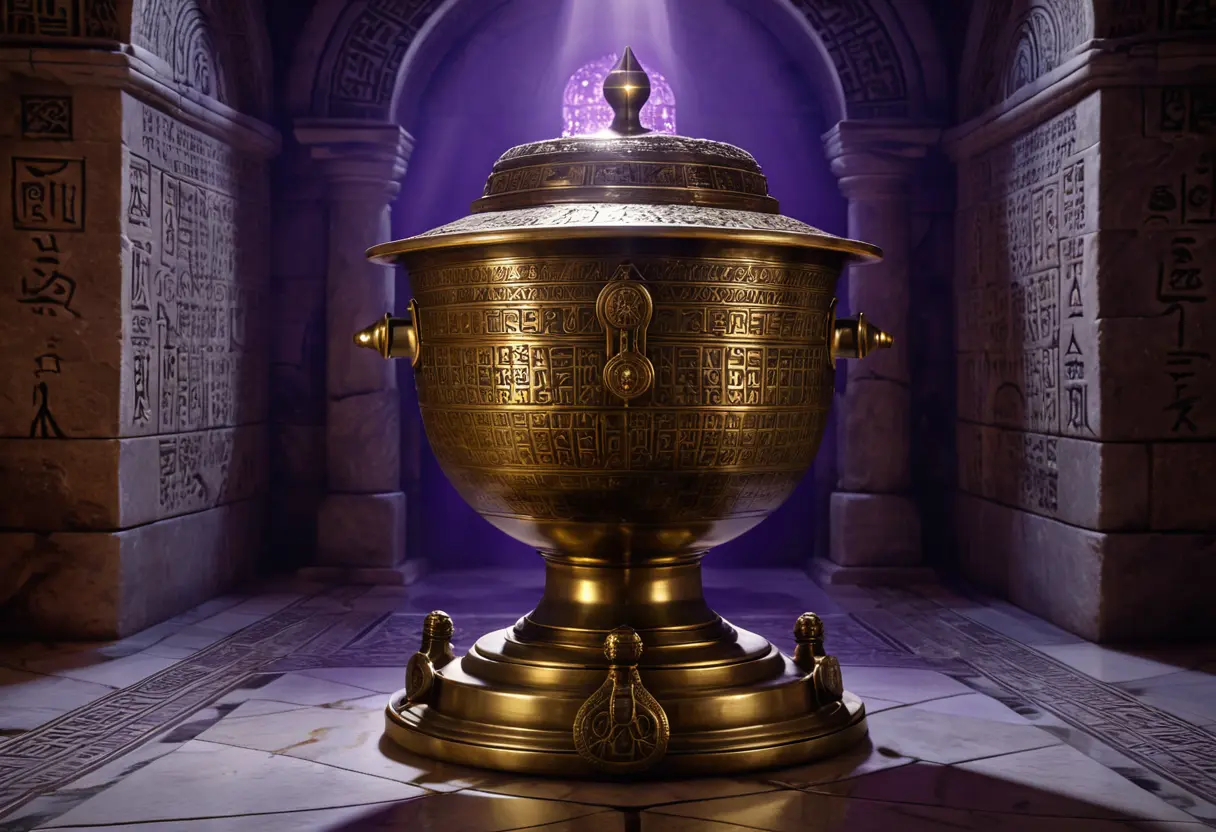
The demonic names frequently encountered in fantasy works—from series like Shin Megami Tenseito modern “ability battle” stories—largely originate from theGoetia, the first part of the 17th-century grimoire known as the Lemegeton (The Lesser Key of Solomon). Solomon’s 72 Demons . These are the powerful and unique entities said to have been sealed in a brass vessel by the wise King Solomon of Israel and pressed into service as his subordinates.
1. Systematized Demons: Attributes as Specifications
The most striking feature of Solomon’s 72 demons is that each is defined in detail, much like a modern “Product Specification Sheet.” *Ranks and Legions : Each demon is assigned a rank modeled after celestial hierarchies, such as “King,” “Duke,” or “Marquis,” along with the specific number of legions they command. *Provided Functions : They are not mere agents of destruction. In exchange for responding to a summons, they provide highly practical (and mundane) services: “knowledge of past, present, and future,” “finding lost items,” “translation of languages,” or “reconciliation of enemies.” This interpretation of demons as “dangerous tools with beneficial powers” became the blueprint for magic and summoning systems in modern RPGs.
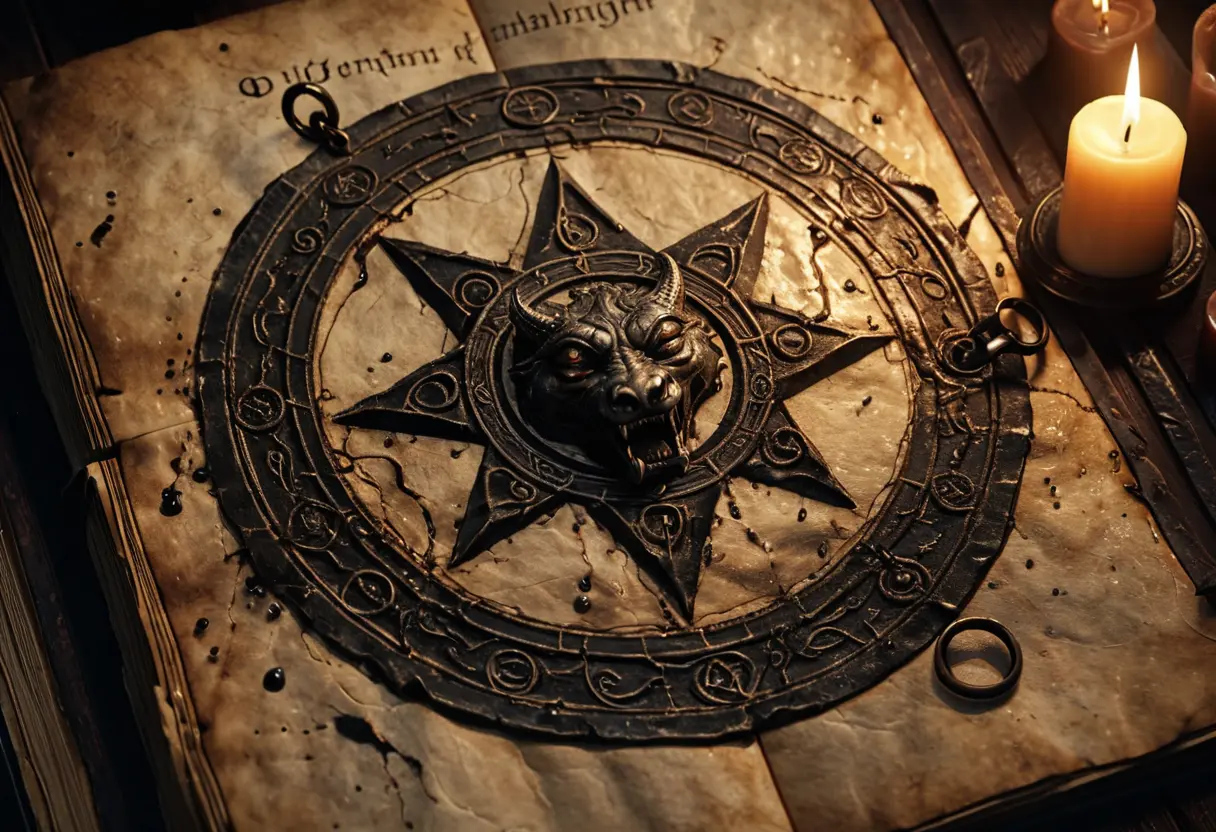
2. Summoning Protocol: Sigils as Authentication Keys
To call forth a demon and compel its obedience, one requires not just raw magical power, but a rigorous set of procedures (protocols). *Sigils : Each demon has a unique geometric emblem known as a “Sigil.” This is the “phone number” used by the mage to establish contact, and simultaneously the “restraint” used to bind the demon. *Dominion through Names : In the history of magic, to know a “True Name” is to possess total authority over that being. King Solomon’s ability to command 72 demons stemmed from his mastery of their True Names, which functioned as “Chains of Language.”
3. Grimoires: Narratives as Forbidden Manuals
The “Grimoires” containing this knowledge have themselves become iconic items in fantasy. Inheritance of Wisdom : Books like the Lemegetonor theGreater Key of Solomon* represented a “Frontier of Forbidden Knowledge” for medieval intellectuals, regardless of their actual efficacy. *The Logic of Price (Cost) : Granting a demon’s wish almost always requires a “price”—ranging from sacrifices to the mage’s own soul or lifespan. This concept of “Equivalent Exchange” transformed magic from mere divine miracles into a high-stakes business-like endeavor.
4. Cultural Context: Why We Seek to “Manage Demons”
Why are we drawn to stories about “cataloging and managing” demons rather than simply “killing” them?
It is perhaps the ultimate expression of human intellectual curiosity—the attempt to transform the uncontrollable horrors of nature and the universe into something controllable through intellect and rules. The list of Solomon’s 72 demons is the record of humanity’s most arrogant, and most dedicated, attempt to categorize “Uncertain Chaos.”
▲ Back to Fantasy Dictionary Top