Oriental Fantasy: Epics of the Celestial Realm, Daoist Magic, and Bureaucracy
In the currents of fantasy, it is no exaggeration to say that Oriental Fantasy (especially that rooted in Chinese classics) operates on a completely different “OS” from Western fantasy.
While the West emphasizes individual “Chivalry” and “Theory of Magic,” Eastern tales present a unique worldview where an overwhelming sense of scale—“Celestial Bureaucracy,” “Cultivation of Virtue (thousands of years of training),” and “Massive Logistics (legions of heavenly soldiers)"—coexists with a certain social reality.
1. Reality of the Immortal Realm: THe Heaven as a “Giant Government Office”
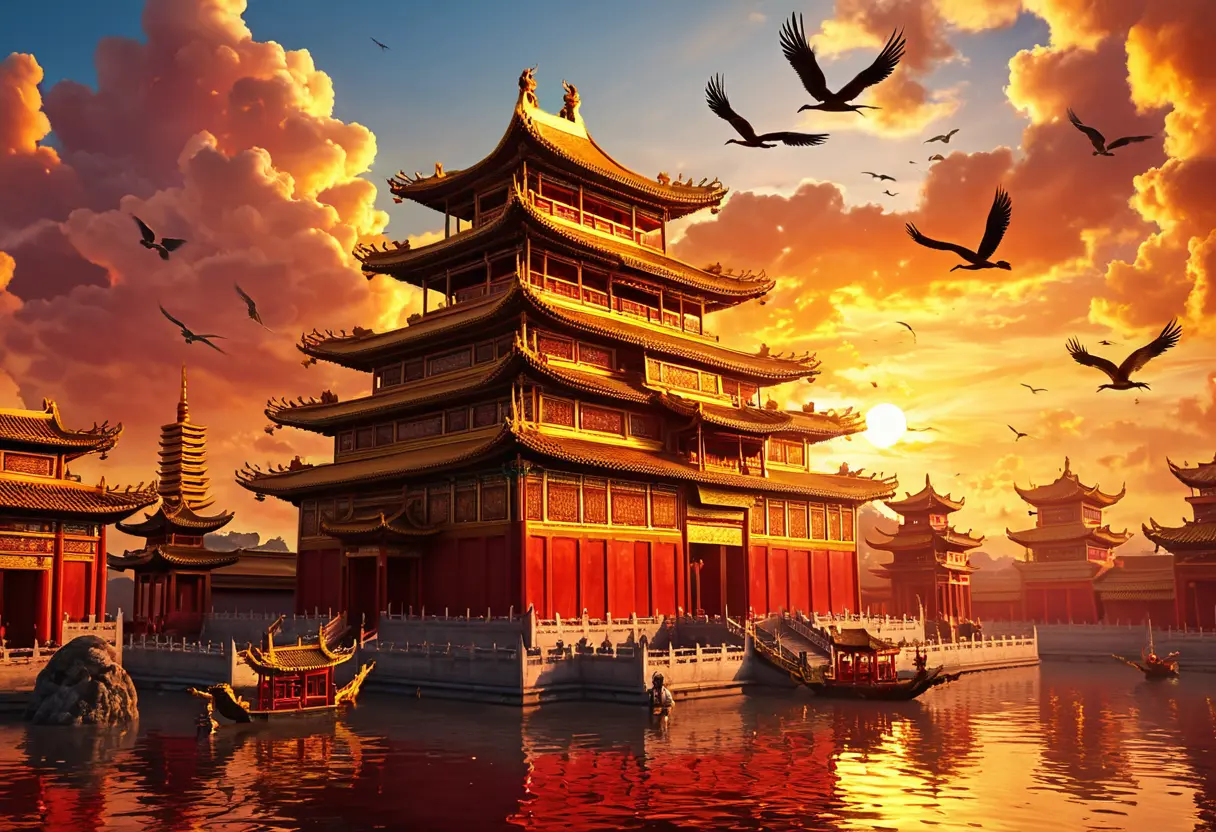
The most unique aspect of Oriental Fantasy is that the world of gods is depicted as an extremely human-like Bureaucratic Organization (Agency) . *Celestial Hierarchy : Heaven, with the Jade Emperor at its peak, is a place where paperwork, bribery, curry favoring with superiors, and fighting for “positions” are commonplace. *Order as “Investiture” : The Investiture of the Gods (Fengshen Yanyi) is a tale of granting “official positions as gods” to fallen heroes to organize the administrative structure of Heaven. This concept of “Godhood as an appointed office” is the oldest prototype for “Granting Authority (Skills) by God” found in modern isekai fiction.
2. Cultivation: The “Ultimate Evolution” Paid for with Time
In Oriental Fantasy, “Strength” is defined not by simple leveling but by a philosophical process called “Cultivation” (修行) . *Millennia of Solitude : Spending hundreds or thousands of years refining “Qi” and purifying the body and soul. This system, where “Accumulation of Time” leads directly to the “Output of Divine Power,” is close to the primordial feeling of “Limit Breaking” or “Inflating Stats” in modern social games and RPGs. *Absurdity of Dharma Powers : Once an immortal reaches the pinnacle, their power can move mountains, split seas, and travel thousands of miles in an instant. This “Omnipotence that lightly exceeds physical limits” is the greatest catharsis of Oriental Fantasy.
3. Paopei (Artifacts): “Gadgets” as Over-Technology
“Artifacts” (or PaopeiinFengshen Yanyi) are distinct from mere magic items. *Specialized Abnormalities : Some draw in those whose names are called (Golden Gourd), while others automatically track and decapitate when thrown (Universe Ring). Each Paopei specializes in a specific “Unavoidable Function.” This anticipates the gadget-like nature of modern “Special Ability Battles (Stands or Quirks)” more than medieval magic swords do. *Possession of Relics : Battle situations are determined not just by individual skill but by “which artifact one possesses.” This structure—mastering powerful gadgets—is inherited by the roots of modern mecha and superpower battles.
4. Cultural Context: Why “Journey to the West” is the Strongest Story
Journey to the West remains beloved because it is a “Coming-of-age Quest (Road Movie) of the Unfinished.”
The strongest rebel (Sun Wukong), the embodiment of desire (Zhu Bajie), and the noble but powerless leader (Xuanzang). The process of this ragtag party overcoming hardship (the 81 trials) to reach the “Celestial Order” lives on as the “Soul” of every modern adventure story where parties are formed to fight.
Oriental Fantasy is a battle between overwhelming power, the irresistible logic of organizations, and the “Free Spirit” that lightly leaps between them.
▲ Back to Fantasy Dictionary Top