The Evolution of Monsters: From Folk Horrors to Global Icons
In the world of fantasy, monsters like Vampires, Werewolves, and Zombies are treated as beings with “Common Traits (weaknesses and behaviors)” without need for explanation.
However, they didn’t exist in their perfected forms from the start. Through centuries of folklore, 19th-century Gothic novels, 20th-century film, and 21st-century games, they have been sublimated from “Formless Horrors” to “Immortal Icons.”
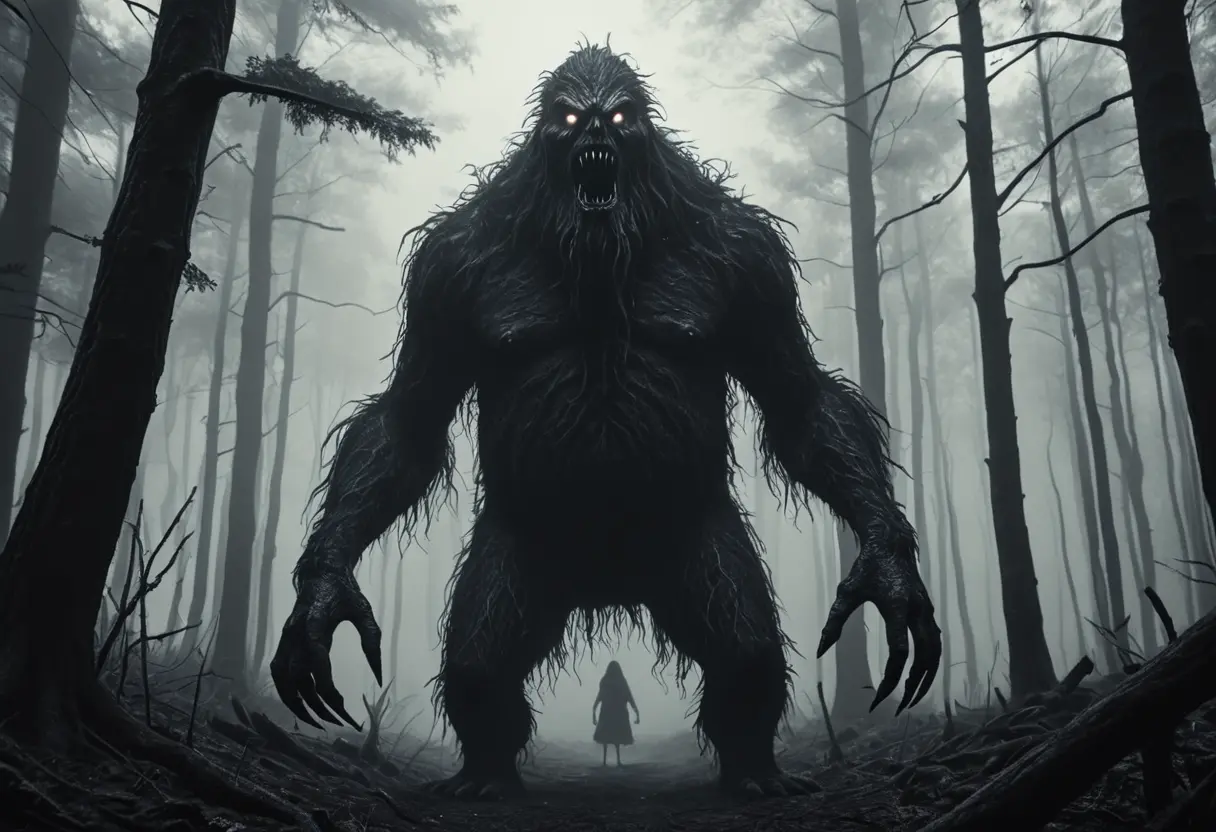
1. Primordial Chaos: Localized, “Undefined Terror”
Once, monsters were just another name for the “Inexplicable Absurdities (death, disease, natural disasters)” unique to a specific land. *Polymorphism and Ambiguity : Vampires in folklore were not necessarily beautiful or sophisticated. In some regions, they were “bloated corpses,” and in others, “invisible, air-like presences.” There were no world-standard “Rules” yet. *Neighborly Horrors : Monsters in lore were not bosses to be defeated, but taboos to be avoided. They were more like natural phenomena than characters in a story.
2. Literary Definition: Establishing “Classes” through Gothic Novels
In the 19th century, with the rise of Romanticism, writers began to fit the raw materials of folklore into “Narrative Templates.” *Bram Stoker and Dracula : Defined the vague vampire lore as specific Attributes (Classes) : “Noble Aristocrat,” “No Reflection in Mirrors,” “Weak to Sunlight.” With this, the monster was breathed life as a “Character.” *Mary Shelley and Frankenstein : Created a “Monster with no name” and gave it philosophical meaning as “Solitude” and “Rebellion against the Creator.” The monster evolved from a mere target of fear to a reflection of the human spirit.
3. Media Standardization: Fixing the “API” via Hollywood and RPGs
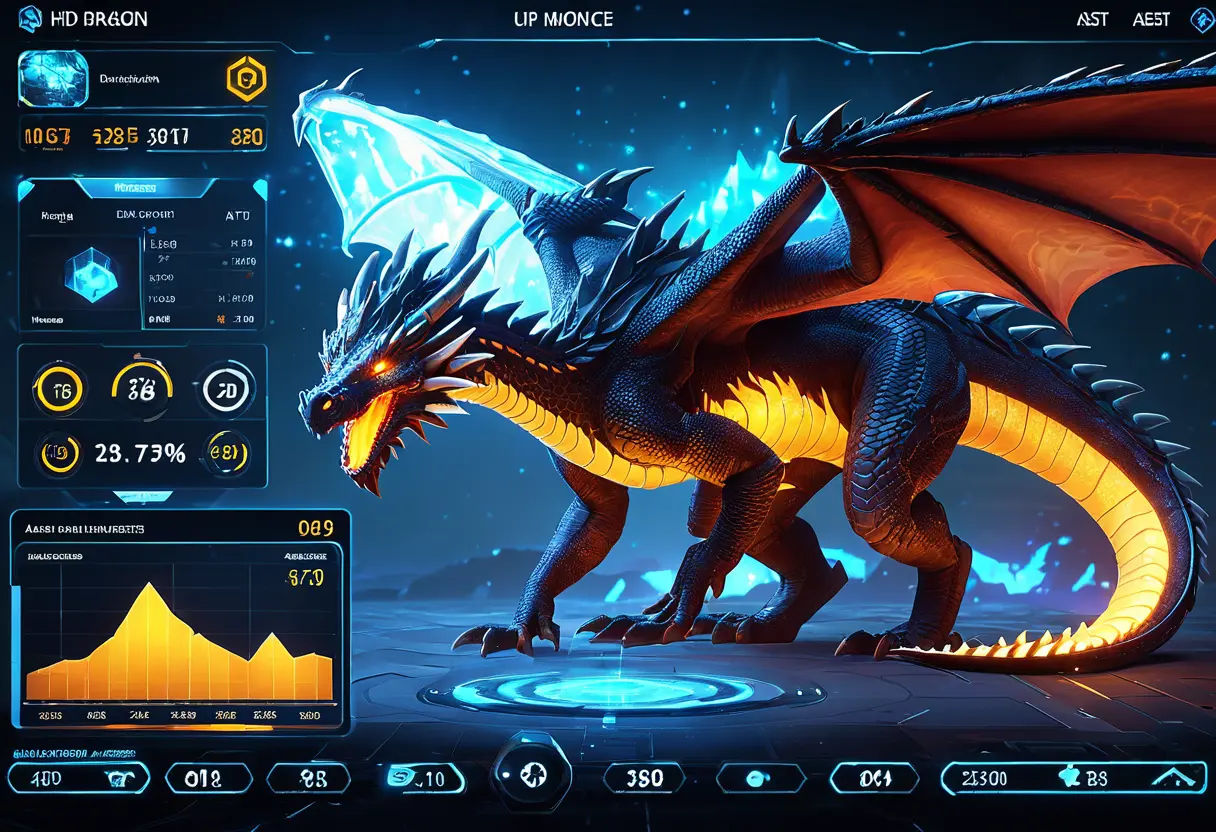
Since the 20th century, the “Specifications” of monsters have been fixed by media with overwhelming volume and reach. *Visualizing Universal Monsters : The visuals of film, such as Bela Lugosi’s Dracula or Boris Karloff’s Creature, determined the “Monster’s Face” as a common human recognition. *Quantification via Game Systems : With the advent of RPGs like Dungeons & Dragons, monsters were redefined as data: “HP,” “Weakness Attribute,” and “Drop Items.” This allowed anyone to “Invoke and Confront” monsters under the same rules.
4. Cultural Context: Why We Keep Defining Monsters
Why do we bother characterising “Terror” and binding it with rules?
It may be part of an attempt by humans to control unknown fears by “Defining” them. Giving a name, assigning attributes, and investigating weaknesses. That process itself is an intellectual activity where humans attempt to illuminate the darkness with the light of reason. The sophisticated modern monsters are a record of the triumph of civilization: “We have overcome terror and sublimated it into entertainment.”
▲ Back to Fantasy Dictionary Top