George MacDonald: The 'Priest of Fairytales' Lighting the Depths of the Soul
In the lineage of modern fantasy, George MacDonald is a decisive figure who introduced “Spiritual Depth” and “Dream Logic” to the narrative.
Tolkien and C.S. Lewis (The Chronicles of Narnia) both held this Scottish author in the highest esteem as a primary source for their own creations. Without MacDonald, fantasy might have remained mere “extravagant adventure” and would not have evolved into “Literature that questions the essence of life” as it has today.
1. Boundary Between Dream and Reality: Sacramental Imagination
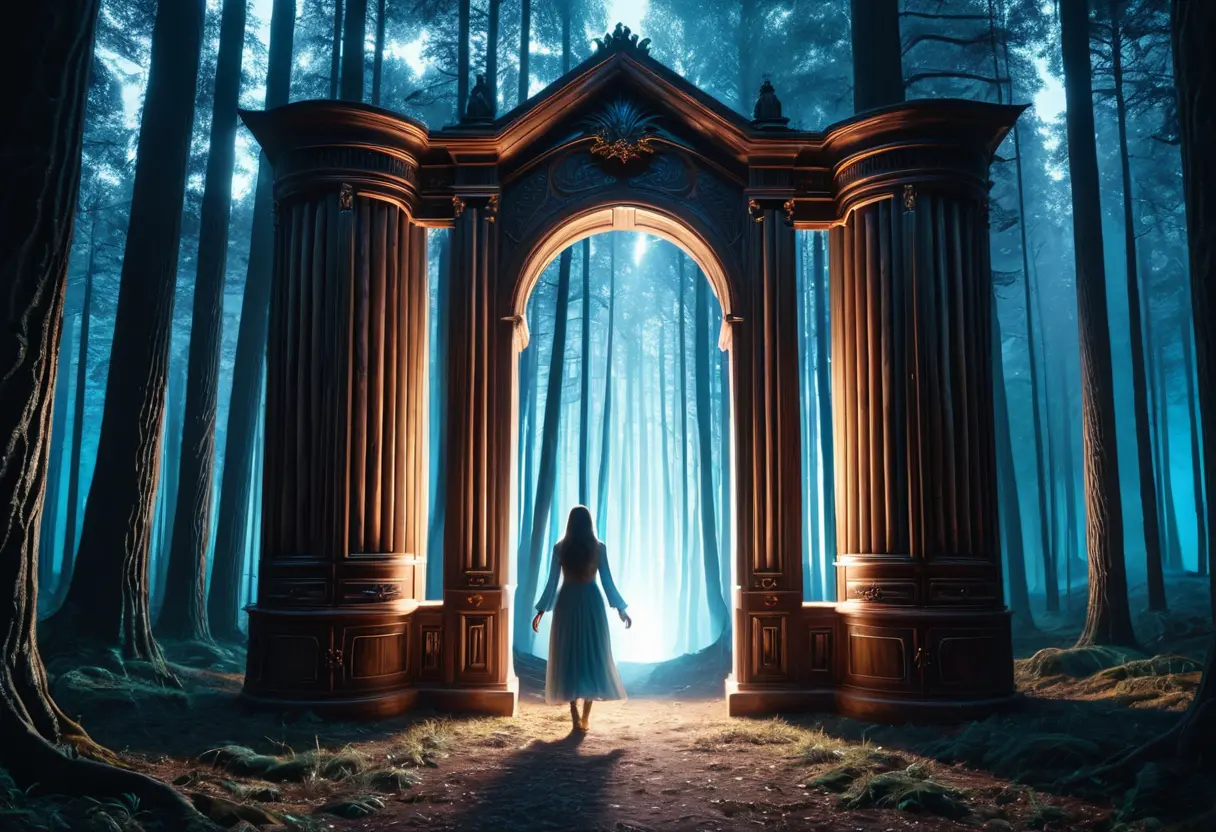
The greatest feature of MacDonald’s stories is the continuity between the real world and the fantasy world, where the boundary is extremely blurred. *** The Awakening in *Phantastes : One morning, the furniture of the room turns into trees, and the room connects to a vast forest. This depiction of “Daily life melting into an otherworld” established the concept of the “Portal” in subsequent portal fantasy. The Otherworld as Symbol ** : To him, the otherworld was not a mere spectacle; it was a “Sacred Mirror” for the protagonist to rediscover the self and overcome the trials of the soul.
2. Fantasy for Adults: From Fairytales to “Mythic Truth”
In the Victorian era, fantasy (fairytales) was considered only for children. MacDonald overturned this common sense, writing “Profound religious and philosophical fantasy for adults” through works such as Lilith. *Motifs of Death and Rebirth : His stories repeatedly depict the process of being reborn into a higher state of existence through death (or sleep). This is a conversion of Christian salvation stories into a unique faerie mythology. *Influence on C.S. Lewis : Lewis said that reading MacDonald’s work was the “Baptism of his imagination.” The sense MacDonald presented—that “this world is but a shadow of a greater world”—became a primary tone running through modern fantasy.
3. Redefining Goblins: The “Twisted Ones” Beneath the Earth
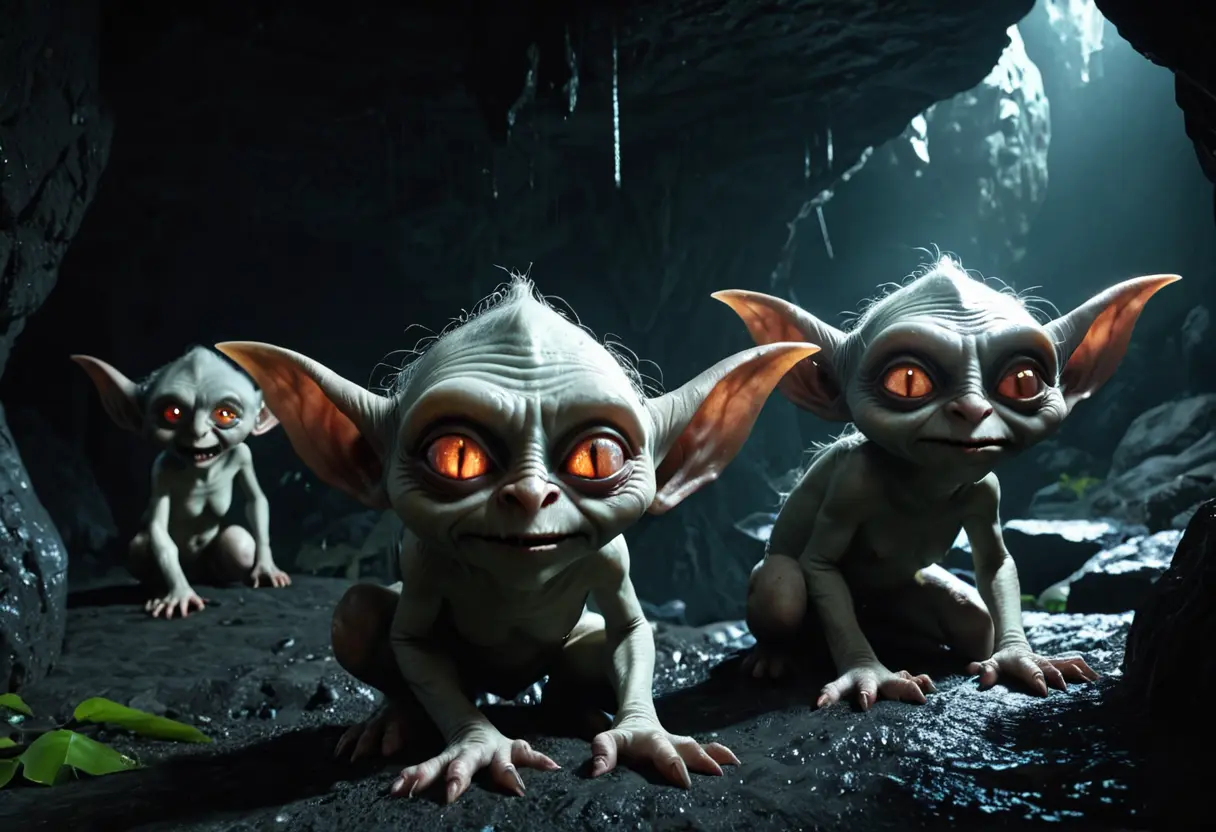
MacDonald also influenced Tolkien in the actual design of monsters. *The Princess and the Goblin : The “Goblins” depicted in this work—hating the sun, lurking underground, and loathing humans—became the direct model for the “Orcs” and “Goblins” Tolkien would later write in The Hobbit.
4. Cultural Context: The “Glow” Dwelling in the Story
The greatest legacy George MacDonald left us is the trust that “one can convey unseen values (beauty and love) behind this world through stories.”
The dreamlike landscapes, cryptic trials, and stories of quiet salvation he depicted are not mere escape; they provide “Magic Glasses” for us to re-examine the real world we live in as deeper, more colorful, and more compassionate.
▲ Back to Fantasy Dictionary Top