The Aesthetics of Lucifer: The King of Rebellion and Solitude
In fantasy, Lucifer reigns as the pinnacle of evil, or perhaps its most charismatic rebel.
His story is not merely about the “origin of evil.” It is a grand tragedy depicting the moment when the only uncontrollable variables— Free Will and Pride —manifested as a “glitch” within a perfectly regulated cosmic order.
1. The Morning Star: The Collapse of “Perfection”
Lucifer, as his name suggests (“Bringer of Light” or “Morning Star”), was the Seraphim closest to God—the most beautiful, the wisest, and the most perfect of all angels. *Pride as the Turning Point : Born within Lucifer, who had been given everything, was a uniquely human self-assertion: “I should sit upon the throne instead of God.” This is Pride , the root of all sins in Christian theology. *The Declaration of War on Order : His rebellion was a challenge to the physical laws of the universe (the Will of God) themselves. Defeated by the celestial host led by Michael, he was cast out of heaven “like a falling star.” This dramatic “fall from grace” is what elevated him into a character wrapped in eternal romance.
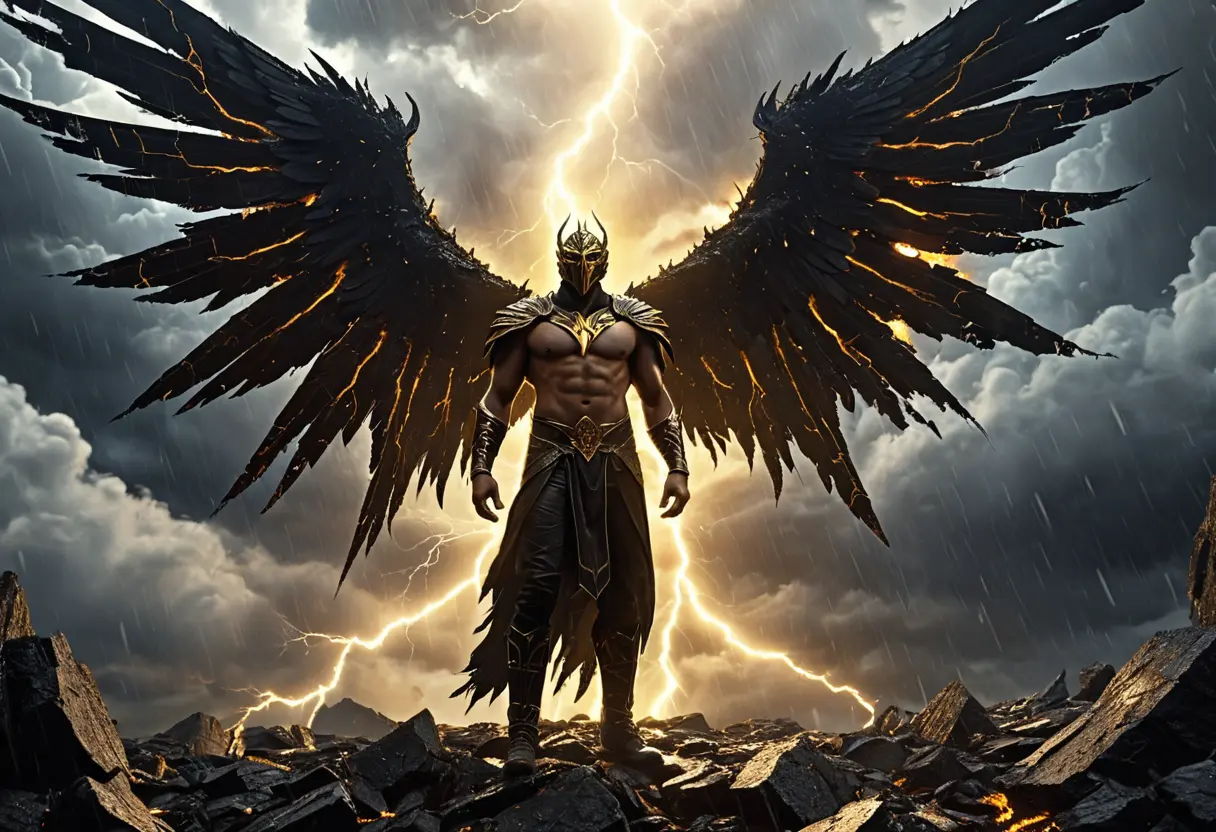
2. King of Hell: The Ideology of “Non Serviam”
The words attributed to Lucifer after his fall, “Non Serviam” (I will not serve), have become the spiritual pillar for countless anti-heroes in modern fiction. *Hell for the Sake of Freedom : In John Milton’s Paradise Lost, Lucifer chooses to “reign in Hell than serve in Heaven.” This stance—valuing autonomous hardship over domestic peace—transformed Lucifer from a mere “villain” into an “affirmer of lonely freedom.” *The Cipher of Black Wings : The pure white wings once used to praise God were scorched or stained by the impact of his fall, turning into the pitch-black wings of a Fallen Angel. This is the ultimate Antithesis to the existing system of Heaven.
3. Modern Icon: From Tempter to Inscrutable Transcendent
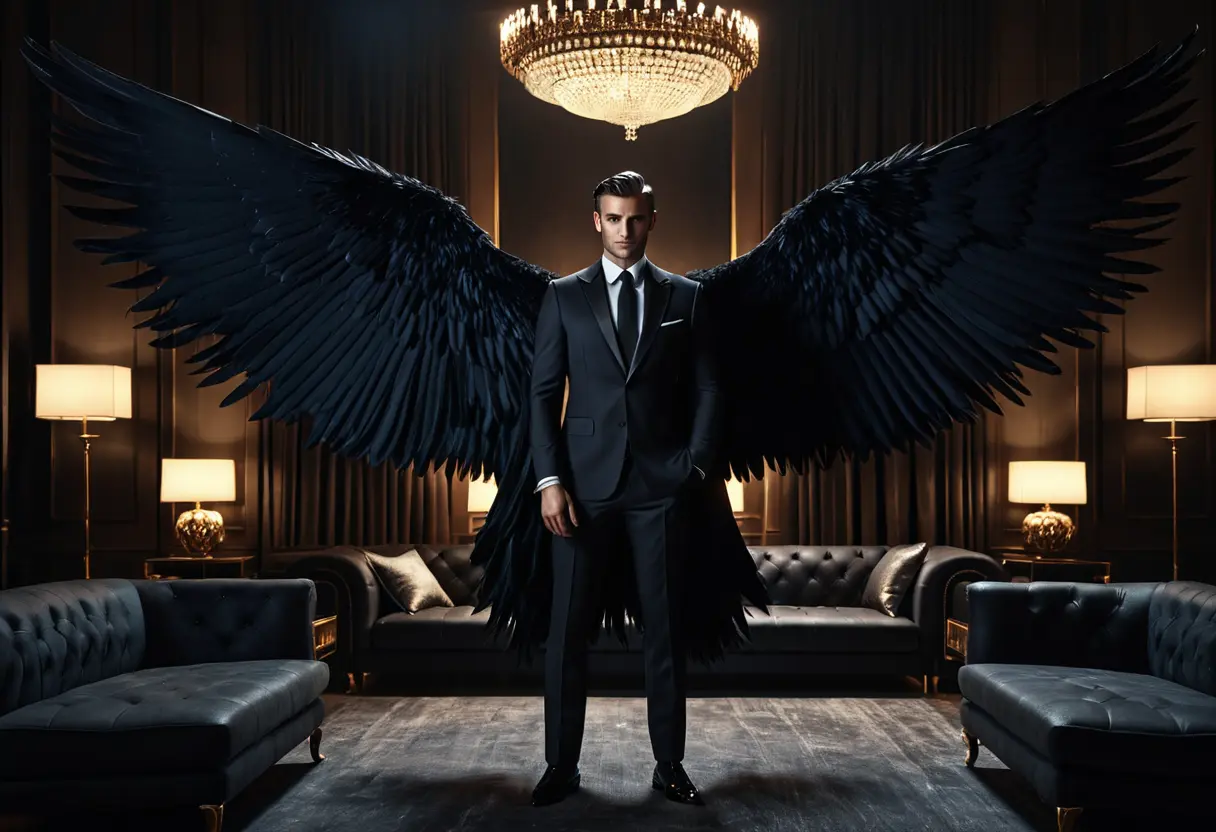
In modern pop culture, Lucifer is depicted in diverse forms: *The Sophisticated Tempter : Like the titular character in the series Lucifer, a suave gentleman who tempts humans and forces their confessions. *The Rebel Against Divine Stagnation : In the Shin Megami Tensei series, he is a trickster who opposes a God of rigid management to give humans chaotic freedom. *The Aesthetic Glitch : His existence remains an inspiration for creators as a “Beautiful Mistake (Glitch)” that exists only because of a perfect “Correct Answer (Order).”
4. Cultural Context: Why We are Drawn to the “Fallen”
We are drawn to Lucifer because he is a mirror that magnifies human weakness and strength to their extremes.
The desire everyone holds to be “special,” and the urge to rebel against a powerful authority. Lucifer shoulders the resulting “solitude” and “eternal sense of loss,” yet he continues to smile defiantly. His presence may be the lingering memory of the “Primal Pride” we discarded in the process of becoming civilized.
▲ Back to Fantasy Dictionary Top