The Lord of the Rings: The Peak of High Fantasy and the 'Immortal Epic'
In the genre of fantasy, ‘The Lord of the Rings’ is not just one of many works. It is the “Spine” that holds the very concept of modern fantasy together.
This saga J.R.R. Tolkien left us did more than establish the “Heroic Quest” format; it encapsulated profound philosophical and spiritual themes: the temptation of absolute power, friendship, self-sacrifice, and the “Melancholy of the World’s Fade.”
1. The Fellowship: The Origin of the “Party”
The true narrative of The Lord of the Rings begins with the formation of the nine “companions” of the Fellowship. *The Revolutionary Mixed Party : Elves, Dwarves, Men, and Hobbits. Different languages, cultures, and races with historical feuds join hands for a common purpose (the defeat of evil). This “Party System” became the absolute prototype for team construction in TRPGs and RPGs. *Gandalf the Guide : The archetype of the “Sage” who possesses immense wisdom and magic yet never makes himself the protagonist, instead fostering the growth of the travelers. His existence is the standard for every mentor character that followed.

2. Structure of the Quest: A Journey of “Discarding”
While many fantasies are stories about “Obtaining a Treasure,” The Lord of the Rings has a paradoxical structure: “Destroy the ultimate power (the Ring) before you succumb to its temptation.” *A Road Epic to Mount Doom : From the lush Shire to the desolate wasteland of Mordor. The environmental changes sync with the character’s internal growth. This technique—where the journey itself is a means of worldbuilding—is the zenith of road fantasy and open-world concepts. *The “Litle Ones” Save the World : Not kings or knights, but “Hobbits,” who should have the least power, hold the fate of the world. This theme of “the will of a powerless individual changing destiny” resonates deeply with the reader’s soul and has become the core of modern coming-of-age stories.
3. Absolute Evil: Sauron as the “Formless Horror”
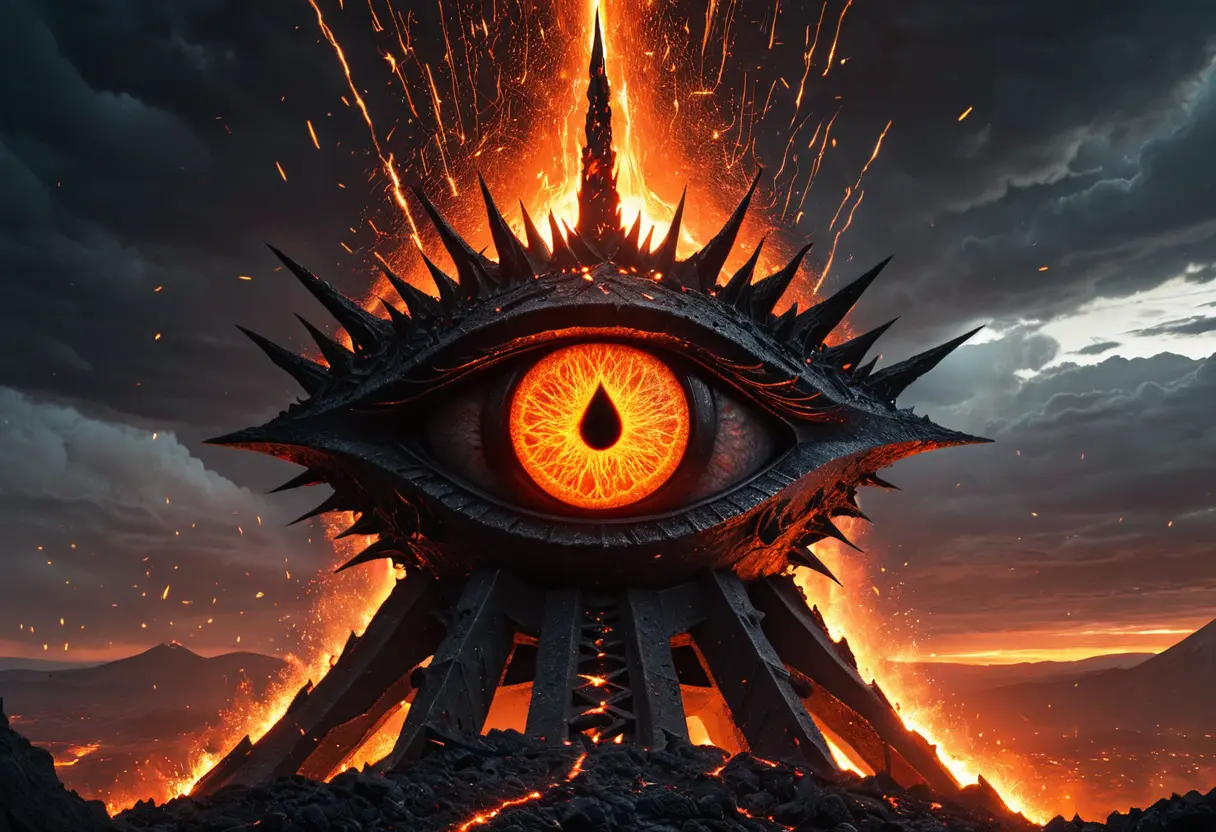
The antagonist, the Dark Lord Sauron, rarely appears in person throughout the story. *The Omnipresent Eye : Described as a Single Eye (The All-Seeing Eye), Sauron rules not through a violent physical presence but through his “Will” and the oppressive sense of “Surveillance.” This battle against a “formless, immense evil” grants the story its mythological weight and a sense of unshakable dread.
4. Cultural Context: A Story That Became “Ours”
Tolkien’s tale has now become a shared global memory through the Lord of the Rings films and countless derivatives.
Why do we return to this story again and again? It is because it continues to tell an immutable truth with overwhelming reality: “No matter how dark the times, the small conscience of a single little person (or Hobbit) can save the world.” Tolkien’s Ring was shattered, but the “Story of Hope and Courage” he left behind continues to shine in our hearts.
▲ Back to Fantasy Dictionary Top