Knights of the Round Table: Bonds, Glory, and the Sacred Quest
The Knights of the Round Table , at the core of Arthurian Legend, are the “Ultimate Elite Squad” of fantasy and the historical blueprint for the “diverse party members” we know today.
They are not mere soldiers. Each possesses his own story, his own weakness, and his own justice. By clashing and merging these at the “equal stage” of the Round Table, they created a massive tide that changed the world.
1. Symbolism: The “Equal Bond” Defined by the Round Table
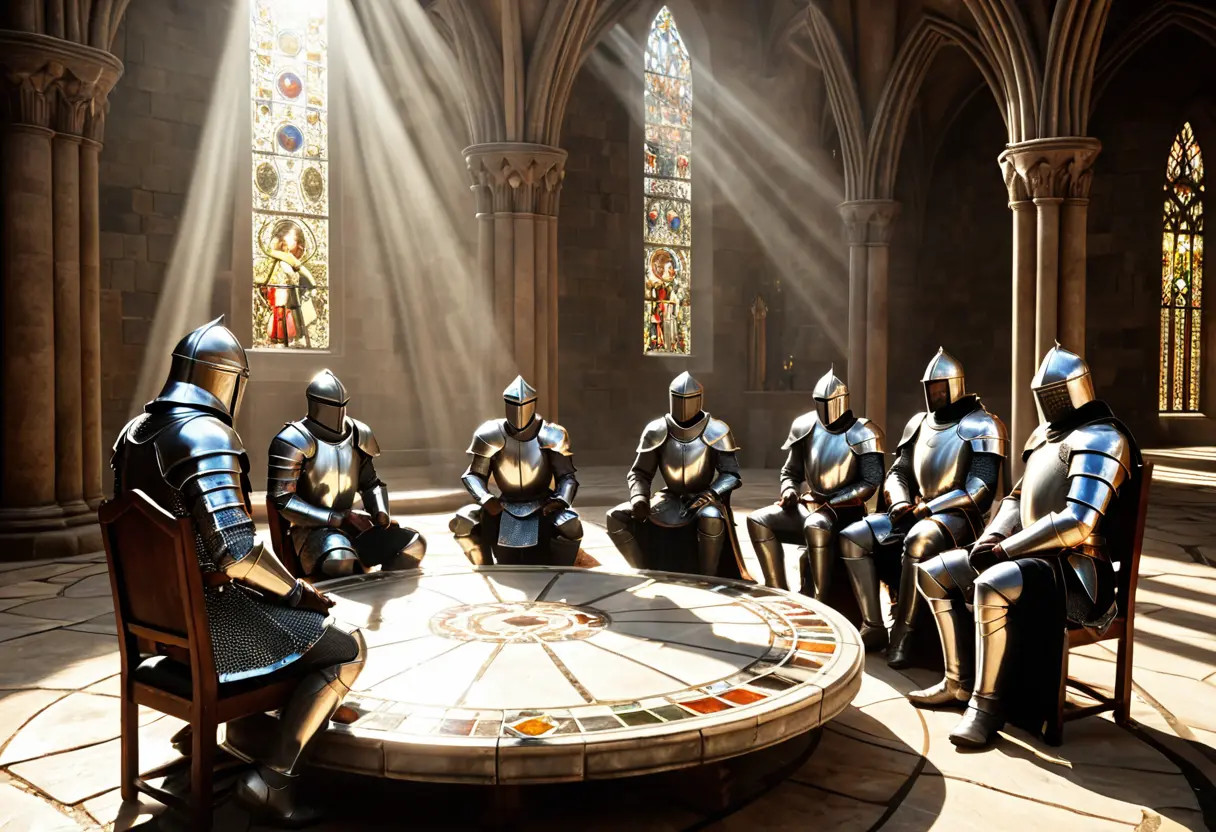
The Round Table , said to have been designed by the wizard Merlin, projects a powerful message through its very shape. *A Council with No Head : The circular table with no corners signifies that all members, including the King, are equal. This structure of an “expert group transcending hierarchy” became the spiritual backbone for modern guilds and the default party composition in RPGs (hero, warrior, mage in an equal partnership). *The Siege Perilous : One seat was left empty at the table. It was said that anyone other than the one destined to find the Holy Grail would die instantly upon sitting there. This setting of a “Chosen One” (The Chosen One) waiting in the wings gave the story a constant sense of tension and anticipation.
2. Character Mural: Diversity of Roles (Classes)
Each of the Round Table knights serves as a prototype for specific “Classes” or “Personalities” in fantasy. *Lancelot : The “Strongest Warrior” boasting perfect martial prowess. Yet, his struggle with an forbidden love for the queen makes him a precursor to the anti-hero torn between ability and emotion. *Gawain : Possessing a time-limited buff where his strength triples with the rising sun. A loyal and most “human” embodiment of chivalry. *Galahad : The “Holy Knight (Paladin)” with a stainless soul. His attribute is “Absolute Good and Purity,” evidenced by him attaining the Holy Grail and ascending to heaven. *Percival : The typical “Protagonist” who starts as a simple youth and grows through adventure.
3. Quests: The Zenith of the “Holy Grail Quest”
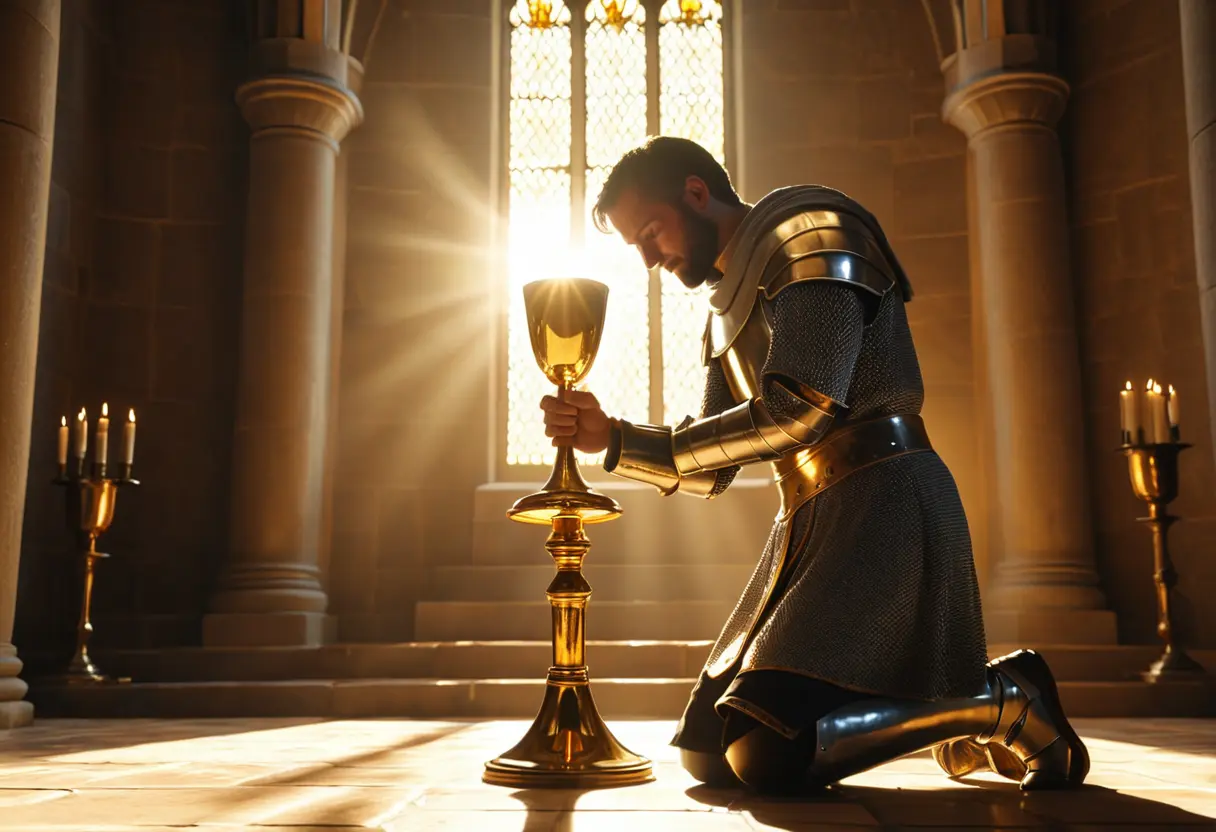
The greatest saga of the knights lies in their journey for the “Holy Grail,” the lost relic of Christ. *The Origin of Open Worlds : The knights leave Camelot on their respective horses, engage in individual adventures (Side Quests) across various lands, and finally converge on a single goal. This structure is precisely the “fusion of main and sub-scenarios” seen in modern open-world games. *The Internal Search : The Grail is more than a physical item. it is a metaphor for “Purification of the Soul” or “Ultimate Truth,” establishing the theme of “Self-Completion” that an adventurer eventually reaches.
4. Cultural Context: Why the “Order” was Necessary
The Knights of the Round Table are loved because we want to believe in the hope that “what cannot be achieved alone is possible with chosen companions.”
There are betrayals and jealousies. Yet, they gather around a single table and dedicate their swords to the same ideal. That “Aesthetics of Community” is the most powerful and poignant hymn of humanity that fantasy offers us.
▲ Back to Fantasy Dictionary Top