Greek Mythology: The Womb of Fantasy and the Origins of Monostereology
Flip through any fantasy RPG monster manual, and you will inevitably find the shadows of Greek Mythology .
The tales of gods and heroes spun thousands of years ago under the Mediterranean sun did more than just tell religious stories; they provided the fundamental framework for how we define “The Other” and “The Transcendent.” Greek mythology is the deepest and most fertile root supporting the massive tree of modern fantasy.
1. The Dawn of Monster Taxonomy: Synthesis and Transformation
The greatest legacy Greek mythology gave to fantasy is the systematization of the concept of the “Monster.” *The Logic of the Chimera (Synthesis) : A lion’s head, a goat’s body, and a serpent’s tail—or a griffin with eagle wings. The technique of constructing “impossible terrors” by combining parts of different creatures began here. *The Hydra (Terror of Multiplication) : Cut off one head, and two more grow back. This geometric despair became the prototype for “multiplying enemies” or “bosses that require intellect to defeat” in games. *Medusa (The Source of Status Effects) : If your eyes meet hers, you turn to stone. Terror that neutralizes the target not through physical attack, but through specific “conditions.” This is the oldest and most vivid form of the modern game concept known as “Status Effects (Debuffs).” 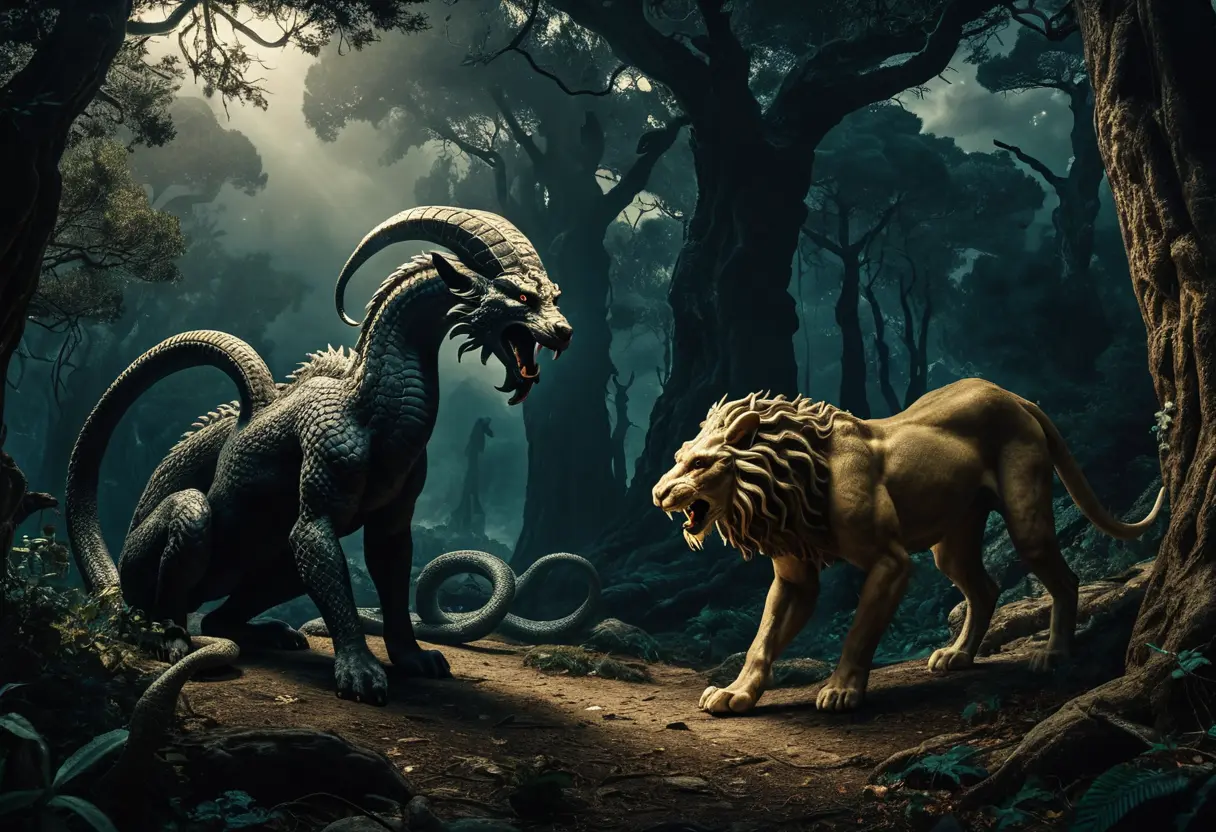
2. Prototypes of Deities: Hierarchies of Attribute and Power
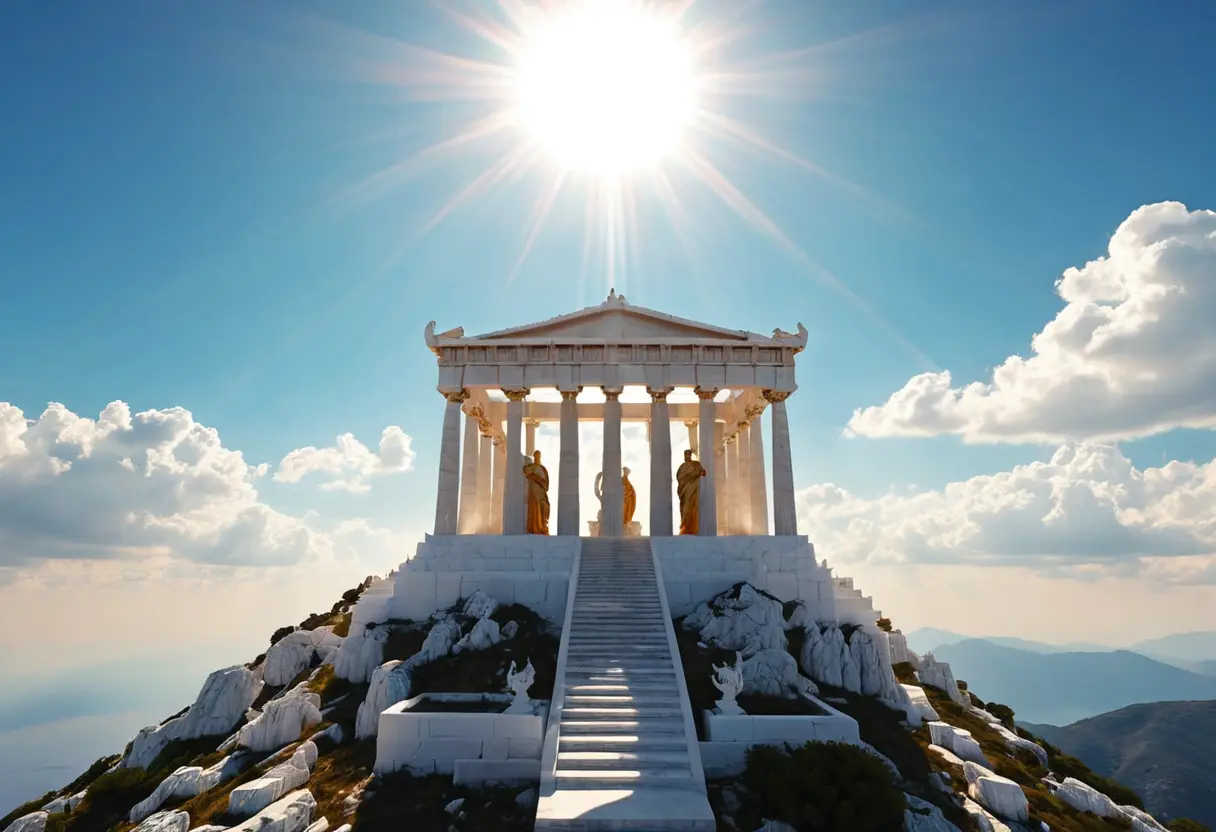
The gods of Greek mythology were not just objects of worship; they were “Systems” that personified all phenomena of the world. *The Demonstration of the Twelve Gods : Zeus of lightning, Poseidon of the sea, Hades of the underworld, Apollo of the sun. The domains they governed became the foundation for the Attribute Systems in RPGs, such as “Lightning, Water, Darkness, and Light (Fire).” *Gods as Human Mirror Images : Not perfect saints, but beings who get angry, jealous, and have affairs. This intensely human drama of the gods pushed storytelling from static lessons into dynamic epics. The dynamic of heroes being toyed with by the whims of gods, or deceiving gods with their wit, remains the engine for all narrative generation.
3. The Concept of the Hero: Challenging the Limits
Greek mythology defined the class of the “Hero”—those who challenge the divine realm despite being mortal. *The Twelve Labors of Heracles : Harsh quotas, battles with giant monsters, and a journey to atone for one’s sins. This is the quintessence of the modern **“Quest.”***Theseus and the Labyrinth : The labyrinth where the monster Minotaur lurks. This structure dictated the basic form of fantasy “Dungeon Crawling.”
4. Cultural Context: Why “Greek” Even Now?
Among countless mythologies, why has Greek mythology become so pervasive? It is because its stories functioned like “Open Source” code, flexible enough to withstand the interpretations of any era and any culture.
Mythology does not die. It changes form, becomes pixels, and continues to ignite the sparks of new adventures today—at the end of our controllers or within the pages of a book.
▲ Back to Fantasy Dictionary Top