Goblins & Kobolds: From Earth Spirits to the Definition of 'Weakest'
In modern fantasy RPGs, Goblins and Kobolds have become synonymous with “Trash Monsters” that novice adventurers cross swords with first.
However, if you look back at their history, you’ll find a rich lore of earth spirits who were closely involved with humans—sometimes helping, sometimes feared. The story of why they were stripped of their divinity and mystery and pushed into supporting roles is also proof of how fantasy has evolved from “Myth” to “Game.”
1. Kobold: Mining Noises and the Origin of Elements
The Kobold appearing in German folklore was originally a spirit with extremely complex qualities. *House Guardians : Much like the British Brownie or the Japanese Zashiki-warashi, they had an aspect as “House Spirits” (Hausgeister) who assisted with chores and helped a family prosper. *Mining Spirits and “Cobalt” : Spirits of the deep mines who made strange knocking sounds (Kobold). In the 16th century, German miners loathed a troublesome ore that hindered refining and emitted toxic gas (arsenic) as a “fake substituted for silver by a Kobold.” This is the etymology of the modern element **“Cobalt.”***Transition to Reptilian : Originally depicted as “Dwarfs with dog-like faces,” the first RPG, Dungeons & Dragons, gave them a unique “Lizard-like reptilian” setting to differentiate them from Goblins, which became one of the world standards today.
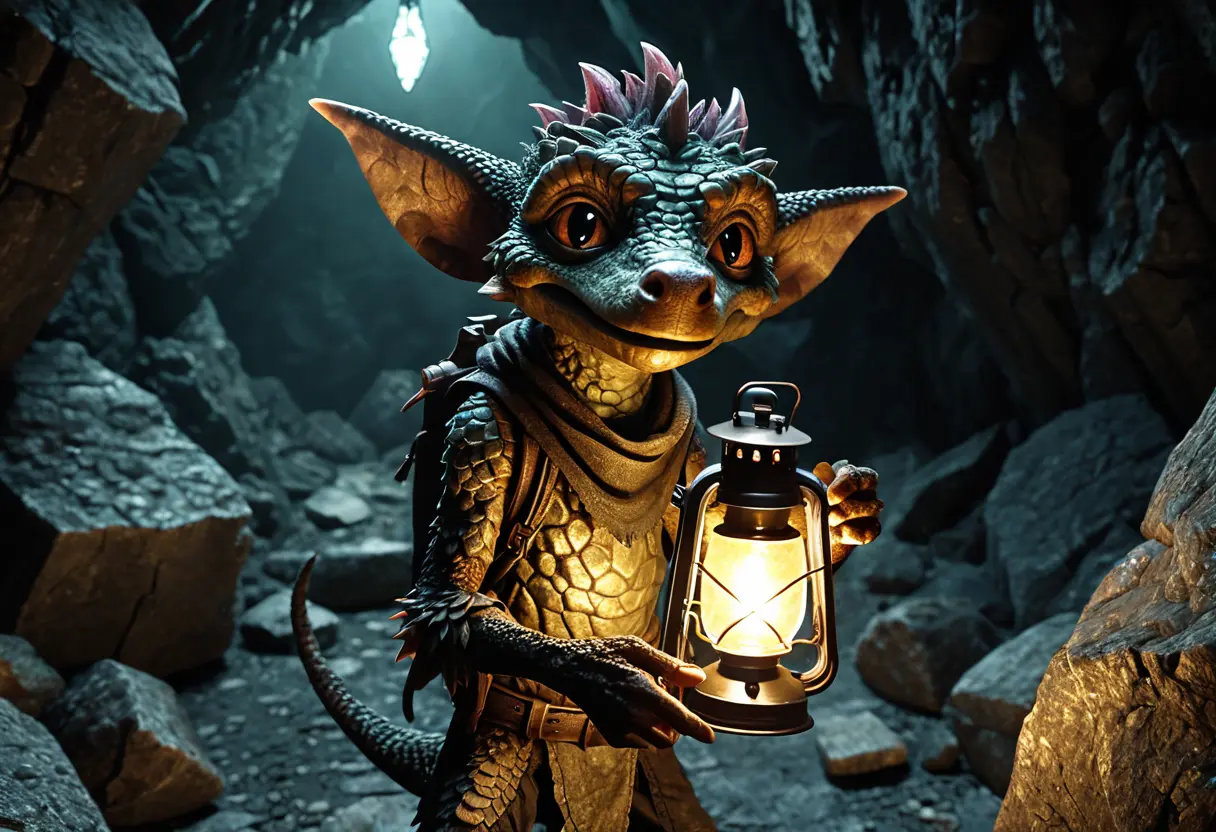
2. Goblin: Tolkien’s Definition of the “Cruel Race” Goblins were a general term in French and British folklore for ugly small ghouls who played tricks on humans. *Ugly Pranksters : They were basically existences that harassed individuals or families. The one who decisively changed that image was J.R.R. Tolkien in The Hobbit. *Industrial Malice : Tolkien reconstructed Goblins as a “Cruel, evil group living underground with a fondness for machines” (later integrated and developed as Orcs in The Lord of the Rings). This image of a “Heartless Legion” became the foundation for the Goblin image as a “Barbaric race to be defeated” in later fantasy works.
3. Modern Re-evaluation: The “Reality” of the Violence of Numbers
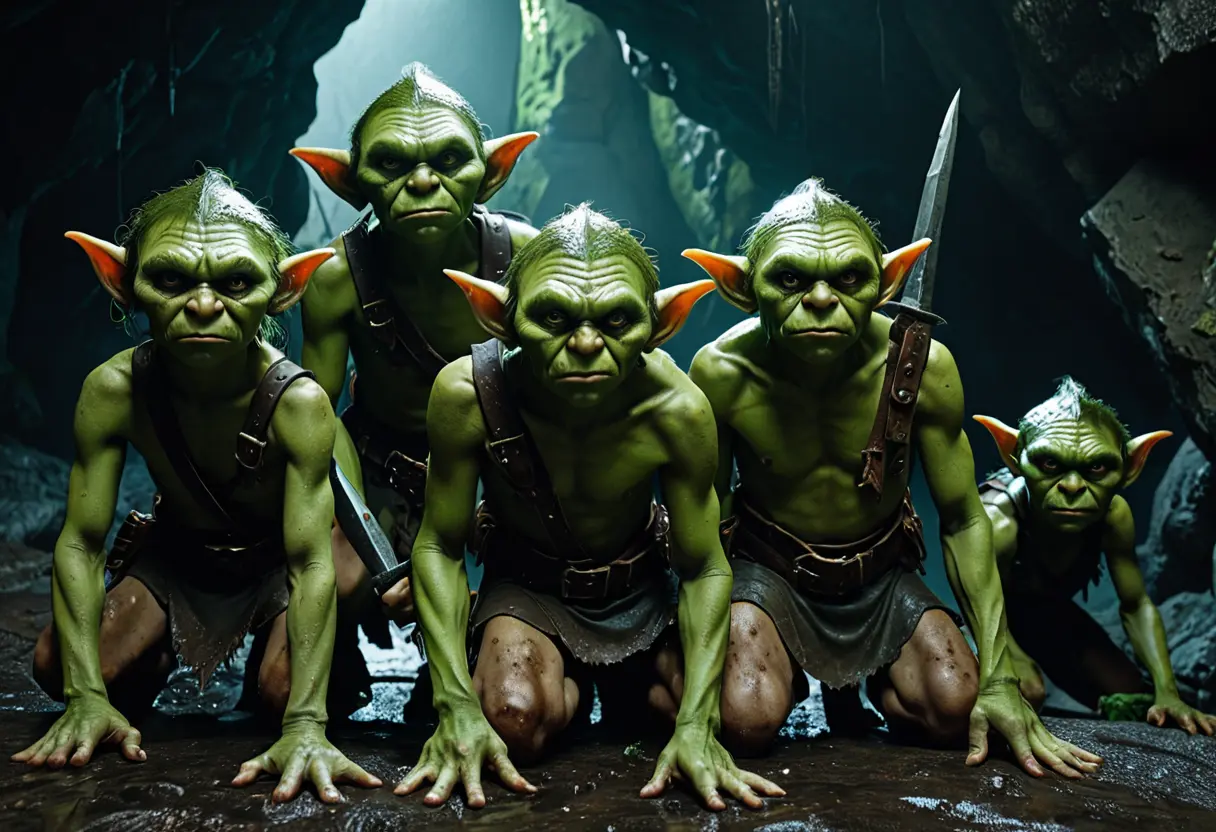
Long consumed as “lumps of experience points,” their threat is being redefined in recent Dark Fantasy works (such as Goblin Slayer). *Terror of Breeding and Intelligence : Even if weak as individuals, they possess overwhelming breeding power, siege networks through cooperation, and the cunning to use poisons and traps. These provide readers with a new sense of tension as a “Realistic, gritty terror” that heroics and magic alone cannot easily overcome. *Questioning from the Bottom of the Hierarchy : Their pride as spirits may have been lost. However, their survival in the mud at the edge of the world reflects the “Survival Struggle of the Have-Nots” behind the brilliant hero stories.
4. Cultural Context: Why We Keep Hunting the “Weak”
Why does an RPG adventure always start with hunting Goblins?
It may be because they are convenient scapegoats—“non-humans looking very much like humans that we can kill without feeling guilt.” However, remembering that they were originally “House Guardians” or the “Voice of the Earth” makes us reconsider what we have cast aside and what we have gained in the game of fantasy.
▲ Back to Fantasy Dictionary Top