The Origins of Fairies: Inhabitants of the Beautiful 'Otherworld' and Their Cruel Temptations
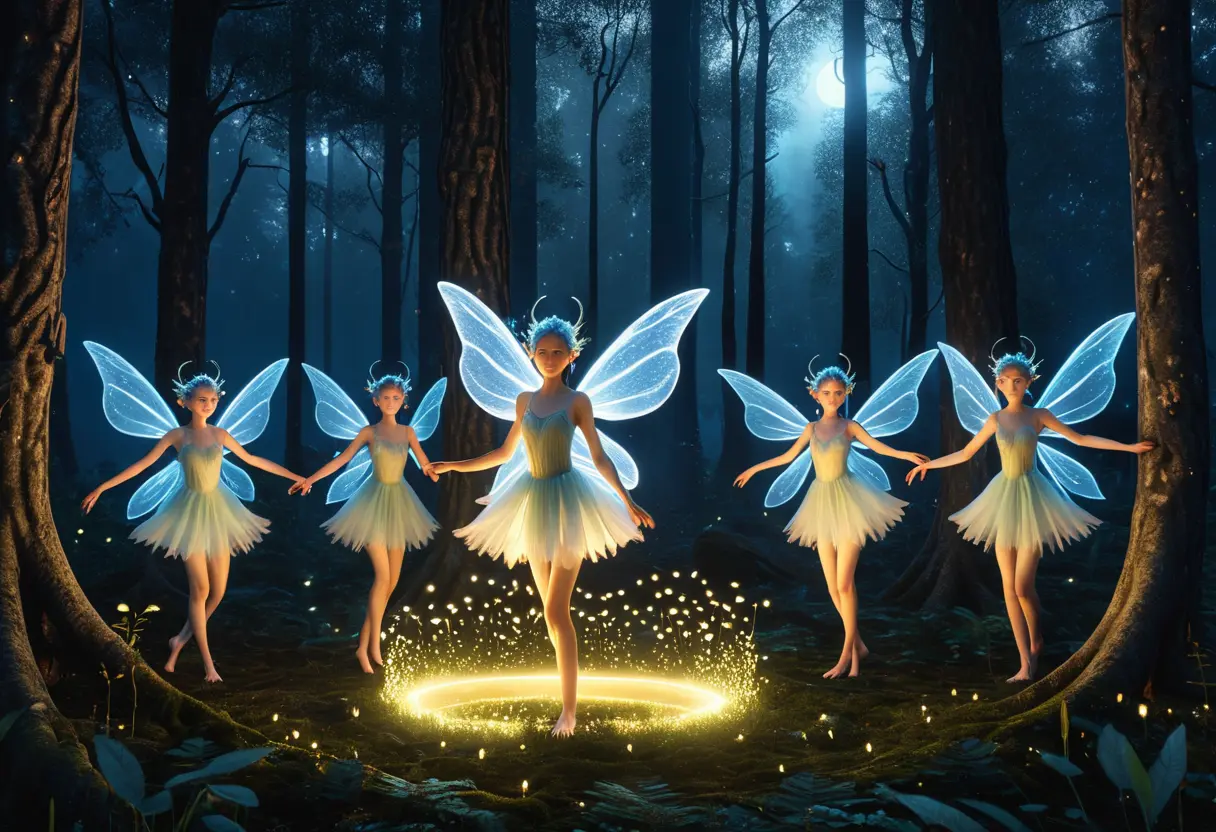
In fantasy, Fairies (Faerie) are not merely “small magical creatures.” They are profound, sentient species that follow the harsh laws of the Otherworld —a realm where human laws and morality hold no sway.
They are the incarnations of nature, the fallen gods of antiquity, and sometimes the variations of the souls of the dead. This attribute of being the “Primal Other” is precisely what brings true mystery and unpredictable terror to the world of fantasy.
1. Traits: “The Logic of the Other” That Shuns Iron and Values Contracts
Fairy lore contains common taboos indicating that they exist according to physical and conceptual rules entirely different from those of humans. *Rejection of Cold Iron : Fairies have an extreme aversion to cold iron. This represents the conflict where artificial civilization (forged iron) seals away the primal magical power of nature (fairies). *The Bound of Names and Contracts : One must never tell a fairy their true name, nor accept a gift from them. In their world, “Words” are “Contracts” (Binds), and once entangled in their logic, a human becomes an eternal slave to the Otherworld.
2. Folklore: The Terror of the “Changeling”
One of the most cruel aspects of fairy legends is the “Changeling”—the myth of fairies stealing a human child and leaving their own child or a piece of wood in its place. *The Terror of Substitution : A loved one remains the same on the outside but becomes something entirely different (or something eerily aged) on the inside. This terror is the archetype for the “erosion of the boundaries of the self” found in modern horror. *Invitation to the Otherworld : Fairies constantly interfere with the human world to refresh their own bloodlines or to obtain beautiful things. To them, humans are either rare pets or strange beasts to be observed.
3. Evolution: From Fallen Gods to the “Elf” Differentiation
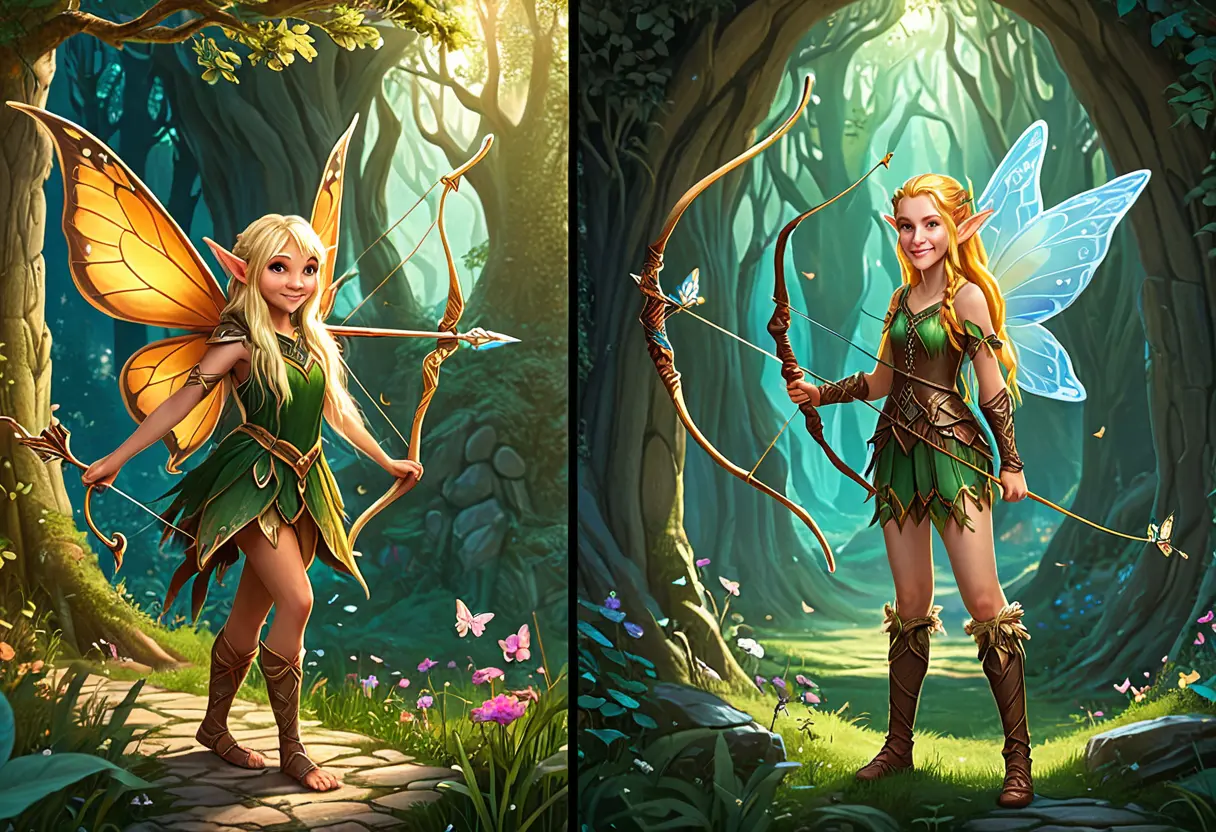
The image of fairies has changed dramatically over the ages. *The Wee Folk : What were once omnipotent gods (such as the Celtic Tuatha Dé Danann) were marginalized into “tiny spirits reflecting in the corners of one’s vision” with the spread of Christianity. *Tolkien’s “Re-Deification” : J.R.R. Tolkien brought these small, mischievous fairies back to being “noble, powerful, and immortal beings who know sorrow (Elves).” Modern fantasy race design fluctuates between these two poles: the “Wild Fairy” and the “Normative Elf.”
4. Cultural Context: Why We Dream of the “Secret Garden”
Just as the Cottingley Fairies (a fake news story of fairies caught on film) deceived intellects like Arthur Conan Doyle, humanity cannot discard the desire to believe in “Fairies (unexplained mysteries),” no matter how much science develops.
Fairies are the remnants (Zanshi) of the “equal dialogue with nature” that we have lost. Finding them in our efficient modern society is to reclaim the memory of an age when the world was still filled with magic.
▲ Back to Fantasy Dictionary Top