Lord Dunsany: The Dream-Noble Who Created Myth with Words of Gems
In the history of modern fantasy, the appearance of Lord Dunsany was a tectonic event.
Previous fantasy literature spun tales by borrowing “existing traditions” such as Greek mythology or Arthurian legend. Dunsany was different. He constructed entirely new gods and mythologies that existed nowhere in history, using only his imagination. Without this invention of “self-made myth (mythos),” Tolkien’s Middle-earth and Lovecraft’s Cthulhu Mythos would not exist in their current forms.
1. The Gods of Pegana: A “Genesis” from Scratch
In his 1905 debut, The Gods of Pegana, Dunsany presented a unique cosmology through prose poems as glittering as gems. *The Sleep of MANA-YOOD-SUSHAI : An absurdity where the universe exists only as the “dream” of the supreme god while he sleeps. When the god wakes, the world vanishes in an instant. This perspective, harboring both the “fragility of the world” and the “desolate vastness of the cosmos,” can be seen as a precursor to Cosmic Horror. *Archaic Cadence : He utilized an intentionally ornate, archaic style reminiscent of the Bible or ancient manuscripts. He established the technique of imbuing “magic” into the very sound of words, instantly whisking the reader away to “somewhere they can never reach.”
2. Dream Logic: The “Dreamlands” Lovecraft Longed For
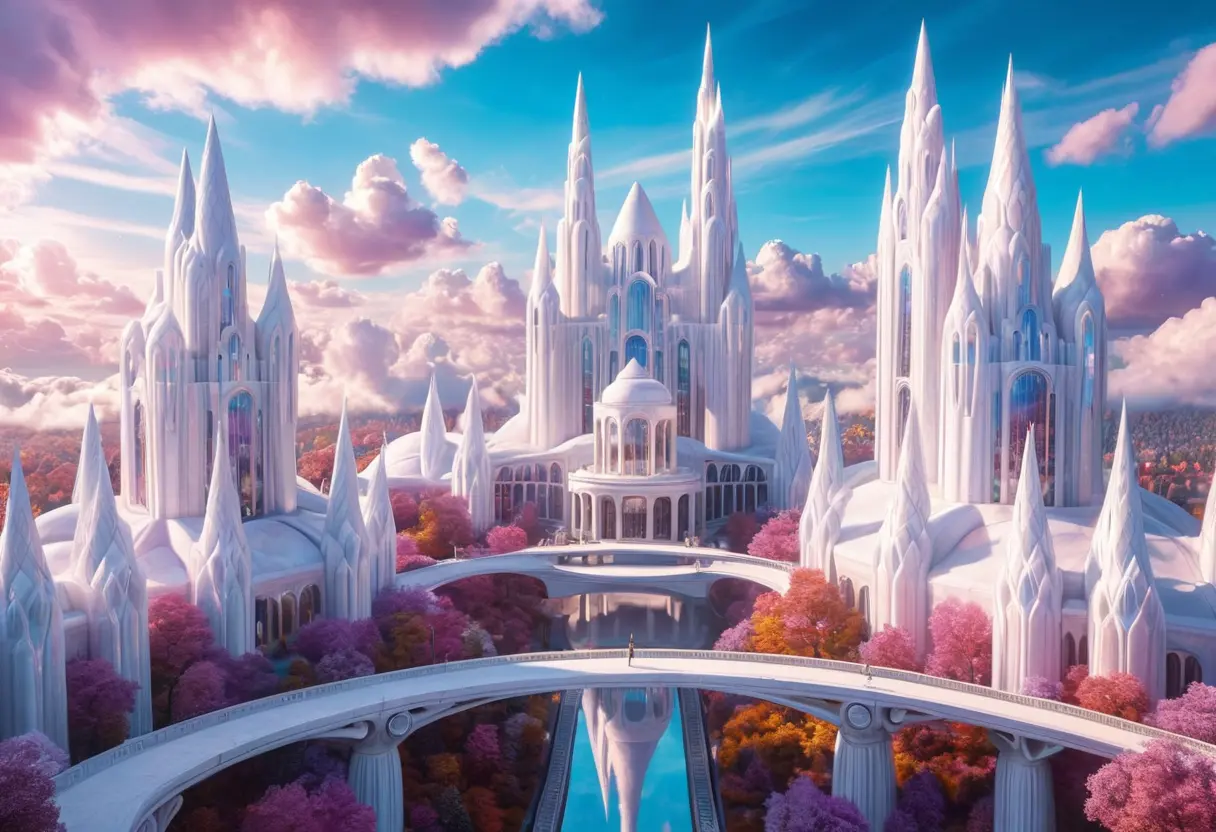
Dunsany’s stories are driven by “Dream Logic” rather than physical laws. *Disappearance of Boundaries : The flow of time and concepts of distance in reality easily collapse in the world of fantasy. This depiction of a “vague yet certain, beautiful second world” shocked the young H.P. Lovecraft and became the direct inspiration for his “Dreamlands” series. *Equivalence of Beauty and Terror : The otherworld Dunsany depicts shines beautifully but possesses a cold austerity that wards off humans. This sense of “Terror because it is too beautiful” is deeply inherited by modern dark fantasy.
3. The Noble’s Playfulness: Irony and Melancholy
Dunsany was an Irish noble, a soldier, and a playwright. His work is often pervaded by a sophisticated “Irony” and “Melancholy” that laughs away mundane values. *The Fragility of Human Dust : How powerless human kings and heroes are before the grand struggles of the gods. This “Departure from Anthropocentrism” underlying his work granted a philosophical perspective to the genre of fantasy.
4. Cultural Context: Why We Still Call the Name “Dunsany”
The greatest lesson Lord Dunsany left us is the freedom that “a writer may be a god who produces a universe within themselves.”
When we trace his gem-like words, we are released from the soot of civilization and the shackles of rationality, returning to “Fantasy” in its original sense. The gods of Pegana whom Dunsany dreamed of still smile from the shadows whenever we write a story.
▲ Back to Fantasy Dictionary Top