Demonology & Angelology: Transcendental Ranks and the Logic of Magical Contracts
In fantasy, Angels and Demons are more than just “good guys” and “bad guys.” They are high-dimensional sentient beings embodying two opposing management philosophies that govern the universe: “Order” and “Chaos.” The study of these beings and the attempts to utilize their power according to ritual protocols is the ancient “science” known as Demonology and Angelology.
1. Angelology: The Rigid Multi-Layered “Order”
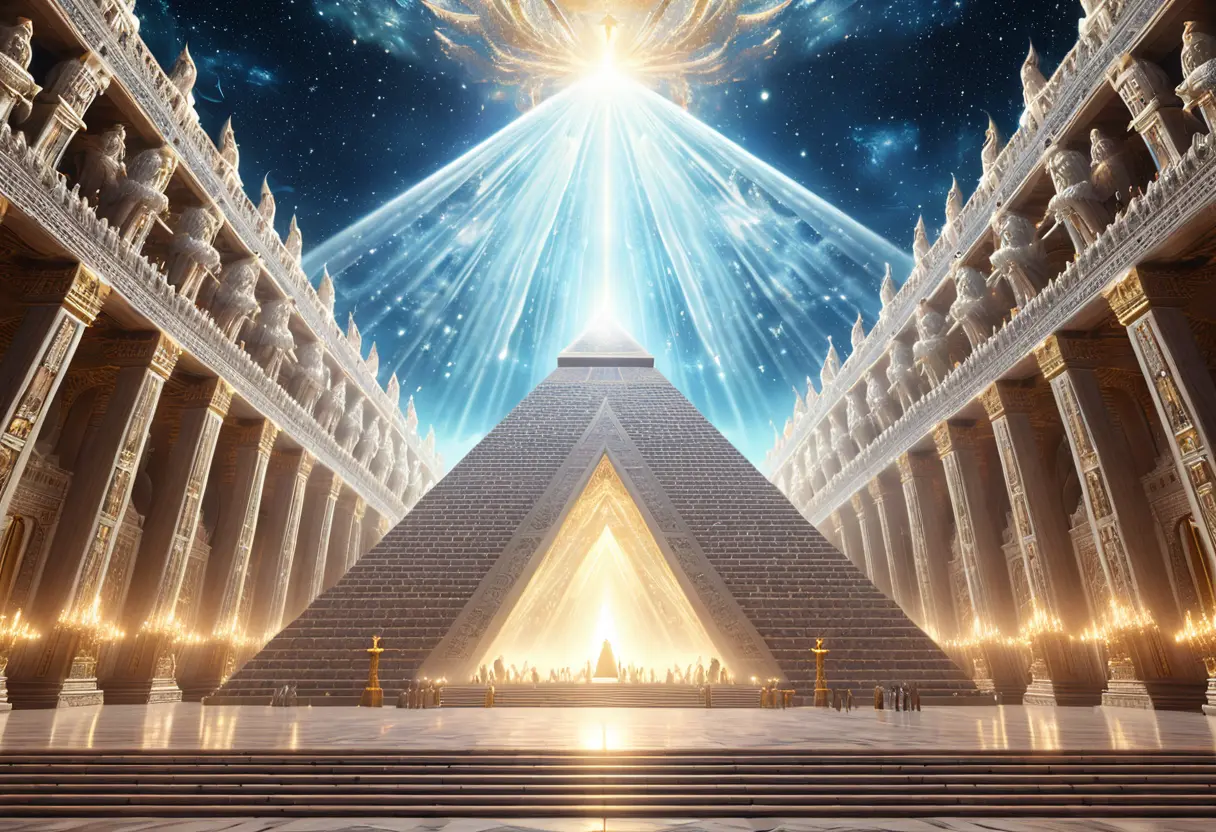
Angels are organized into a highly structured and robust hierarchy (hierarchy) designed to execute the Divine Will perfectly. *Centralized Will : “Individual desire” does not exist for an angel. They prioritize collective stability and cosmic harmony (Uptime) above all else. Their actions are cold and disciplined, at times manifesting as “Divine Weapons” (Agents) that eliminate even human affection as “impurities that disrupt order.” *Symbolism of Hierarchy : Divided into nine choirs, from the highest Seraphim to the lower Guardian Angels, this ranking serves as the perfect model for defining enemy strength and character classes in modern RPGs.
2. Demonology: The Realm of “Chaos” Ruled by Desire and Merit
In contrast to angels, demons are driven by individual power and desire. *Meritocratic Rebels : Demons are often “Fallen Angels” who once rejected Divine management (control). They subscribe to their own law—a meritocracy where strength determines everything. While they exhibit powerful individual performance, this often leads to constant competition and infighting (clashes) among their own kind. *Providers of Knowledge : In many legends, demons are portrayed as bringers of “wisdom” or “civilized tools” to humanity. They act as tempters who show humans “forbidden shortcuts” unavailable under the managed Order of Heaven, always demanding a price in return.
3. Summoning: “Access Rights” and Contracts with High-Dimensional Powers
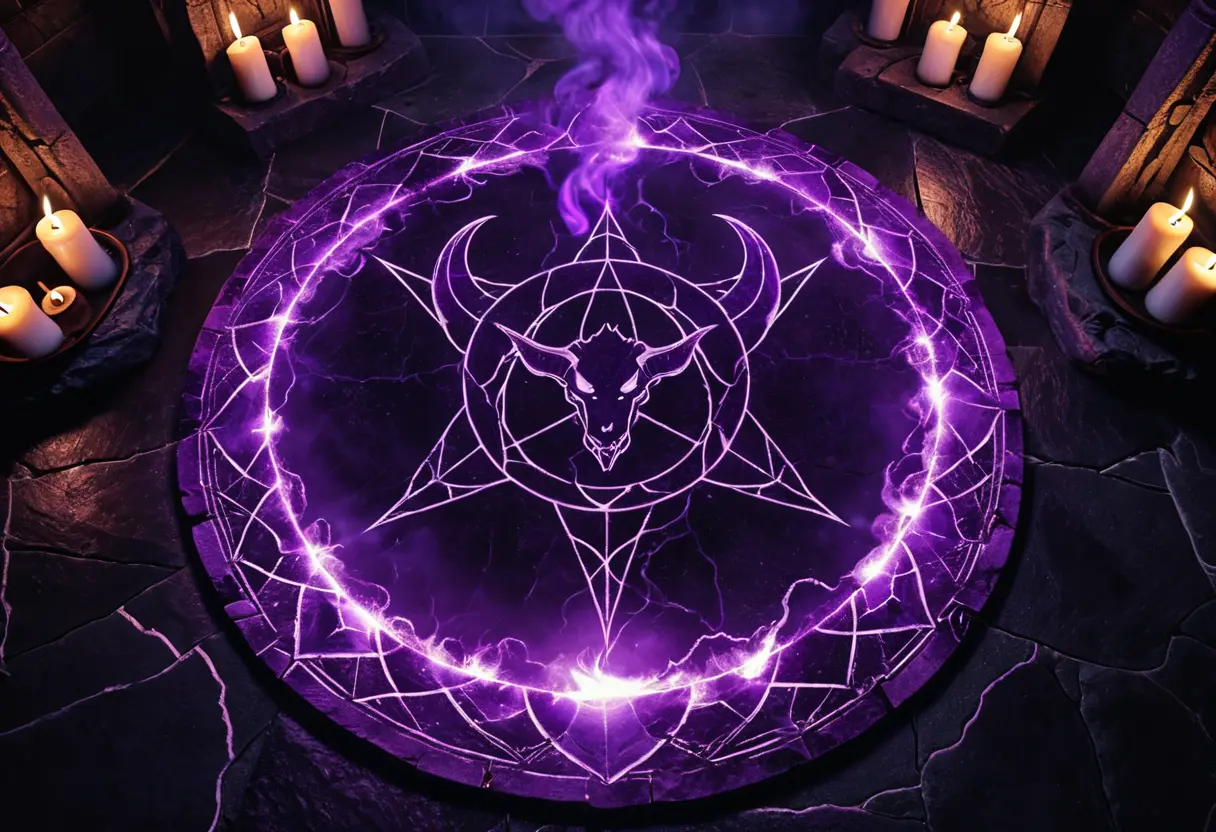
The act of a mage (operator) calling forth an angel or demon is an extremely logical and legal **“Contract.”***Magic Circles and Summoning Protocols : Drawing specific magic circles and performing correct incantations are protocols (procedures) for establishing communication with transcendent beings. If these procedures fail even slightly, the connection errors out, risking the mages’ own soul being forcibly collected as a “processing fee” (price). *The Tradition of the Lesser Key of Solomon : The legend of King Solomon commanding 72 demons has become the theoretical backbone for “ability battles” in modern fantasy, where powerful forces are bound by “Names” and controlled through rules.
4. Cultural Context: The “Binary” Worldview of Light and Dark
Why does the fantasy world always require the conflict between angels and demons?
It may be a manifestation of the human desire to simplify overly complex societal conflicts into a binary (1 or 0) framework of “Light and Shadow.” We yearn for the serene Order of angels, yet are also drawn to the wild Freedom of demons. Caught between these two irreconcilable ideologies, the choice of whose power to borrow to forge one’s destiny is the true essence of role-playing.
▲ Back to Fantasy Dictionary Top